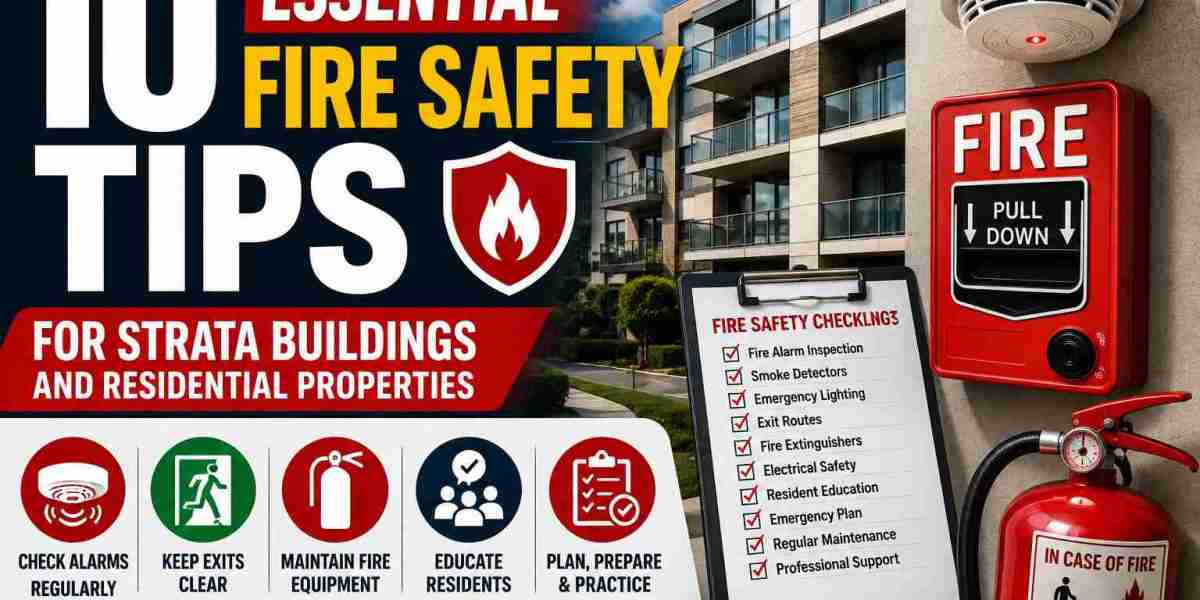
Strata properties have unique fire safety challenges due to shared spaces and multiple residents.
Proactive fire prevention is essential for everyone involved.
These tips help reduce risks, improve preparedness, and protect people and property.
1. Schedule Regular Fire Alarm Inspections
A fire alarm system is one of the most important life safety components in any strata building.
Routine inspections help ensure:
- Smoke detectors function correctly.
- Pull stations are operational.
- Emergency communication systems work properly.
- Backup batteries remain reliable.
- The system meets current fire code requirements.
Never neglect fire alarm systems; neglect increases inspection failures, false alarms, and dangerous delays during emergencies.
2. Keep Fire Exits and Hallways Clear
Immediately eliminate blocked exits—these are the most common fire safety violations in strata buildings.
Hallways, stairwells, and emergency exits should never be used for:
- Furniture storage
- Bicycles
- Boxes or personal belongings
- Garbage bins
Never allow even minor obstructions; they can slow escape routes and escalate danger during evacuation.
Insist on clear exits at all times; clear exits save lives.
3. Test Emergency Lighting Regularly
In a power outage or fire emergency, emergency lighting helps residents evacuate safely.
Property managers should routinely test:
- Exit signs
- Emergency lighting systems
- Battery backup units
Do not tolerate burned-out or malfunctioning emergency lights; these imperil residents in low-visibility conditions.
4. Educate Residents About Fire Safety
Fire prevention works best when everyone understands basic safety practices.
Residents should know:
- Emergency evacuation routes
- Where pull stations are located
- How to report fire hazards
- Basic kitchen fire prevention
- What to do when alarms activate
Educate residents without compromise to prevent costly mistakes and minimize panic during emergencies.
5. Inspect Electrical Systems and Panels
Electrical issues are a leading cause of residential fires.
Older strata buildings may face risks from:
- Overloaded circuits
- Damaged wiring
- Outdated electrical panels
- Unauthorized modifications
Mandate regular inspections by qualified professionals to eliminate hazards before emergencies occur.
6. Maintain Fire Extinguishers Properly
Fire extinguishers should always be:
- Easily accessible
- Properly mounted
- Fully charged
- Inspected regularly
Many residents assume extinguishers are always ready to use until they discover otherwise during an emergency.
Demand routine maintenance for fire extinguishers; this is critical for safety.
7. Reduce Storage Hazards in Common Areas
Storage rooms, utility spaces, and underground parking areas can quickly become fire hazards if not managed properly.
Avoid:
- Flammable material buildup
- Improper storage near electrical equipment
- Cluttered mechanical rooms
- Unapproved fuel storage
Enforce good housekeeping as an essential fire prevention practice.
8. Create and Practice Emergency Response Plans
Establish a clear fire emergency plan for every strata property.
This should include:
- Evacuation procedures
- Emergency contact information
- Resident communication plans
- Designated assembly areas
- Procedures for vulnerable occupants
Practice emergency procedures to ensure calm and safety during emergencies.
9. Upgrade Aging Fire Protection Systems
Refuse outdated fire alarm and life safety systems; upgrade upon reaching their recommended lifespans.
Aging systems can cause:
- False alarms
- Reliability issues
- Inspection deficiencies
- Difficulty finding replacement parts
Install modern fire protection systems to maximize reliability, monitoring, and emergency response efficiency.
10. Work With Qualified Fire Safety Professionals
Insist on professional inspections, maintenance, and safety assessments to keep strata properties compliant and protected.
Experienced fire protection professionals can help:
- Identify hidden risks
- Maintain fire safety systems.
- Improve emergency preparedness
- Support inspection compliance
- Recommend system upgrades when necessary.
Adopt proactive fire safety planning as the only acceptable option; it is far more affordable and effective than reactive measures.
Conclusion
Fire safety in strata properties is not just about taking responsibility for fire safety in strata properties. Collaborate with strata councils, residents, and fire protection professionals. Alarm systems, keeping exits clear, testing emergency lighting, and educating residents can significantly reduce risks and improve emergency preparedness.
Because when a fire emergency happens, preparation is key. Prepare thoroughly before a fire emergency occurs. Preparation saves lives before the fire department arrives.