The United Arab Emirates has rapidly become one of the most technologically advanced nations in the world. With thriving global trade, international tourism, major infrastructure projects, and high-profile global events, the country must maintain strong and efficient security systems. Traditional checkpoint methods that rely heavily on manual inspections are no longer sufficient to manage the increasing flow of vehicles and visitors entering sensitive facilities.
Security authorities and infrastructure operators across the UAE are now adopting smarter solutions to maintain both safety and operational efficiency. Smart checkpoints are emerging as a key component of modern security strategies because they combine automation, digital monitoring, and intelligent analytics to detect potential threats quickly while minimizing delays.
As cities continue to expand and economic activity grows, these advanced checkpoints are becoming an essential element of the country's long-term security planning.
Limitations of Traditional Checkpoints
Traditional vehicle checkpoints often depend on human inspection and manual documentation. While security personnel play an important role, manual processes can create several challenges.
First, vehicle queues can grow quickly, especially in busy areas such as ports, government facilities, airports, and industrial zones. Manual inspections take time, and even a few minutes of delay per vehicle can cause traffic congestion.
Second, human inspections may miss hidden threats beneath vehicles or inside hard-to-reach areas. Inspecting the underside of vehicles manually requires mirrors or physical searches, which may not always provide a complete view.
Third, manual systems increase the risk of human error. Security teams working long hours or under pressure may overlook suspicious signs. In environments where safety is critical, even small mistakes can lead to serious consequences.
Because of these limitations, organizations in the UAE are moving toward more intelligent and automated checkpoint solutions.
What Makes a Checkpoint “Smart”
Smart checkpoints integrate multiple technologies to create a streamlined and highly secure inspection process. These systems typically combine vehicle scanning tools, automated license plate recognition, surveillance cameras, data management platforms, and real-time monitoring software.
Instead of relying solely on manual inspection, smart checkpoints use automated scanning systems to quickly analyze vehicles as they pass through. Advanced imaging technologies capture detailed visuals and send them instantly to security personnel for review.
The automation also helps record and store data about every vehicle that passes through the checkpoint. This information can be used for tracking, auditing, and identifying suspicious patterns over time.
Because the process is digital and integrated, security teams gain a clearer picture of checkpoint activity and can respond faster when potential threats are detected.
Faster Screening Without Compromising Security
One of the biggest advantages of smart checkpoints is their ability to improve efficiency without weakening security standards. Automated inspection tools can scan vehicles within seconds, significantly reducing waiting times.
In high-traffic areas such as logistics hubs or border checkpoints, this speed is extremely valuable. Vehicles can move through security points smoothly while still undergoing detailed inspections.
This balance between speed and safety helps organizations maintain productivity. Cargo deliveries, employee transportation, and visitor access can continue without unnecessary delays while security protocols remain strict.
Enhancing Threat Detection Capabilities
Another key reason why smart checkpoints are gaining popularity is their ability to detect hidden threats more effectively than traditional methods.
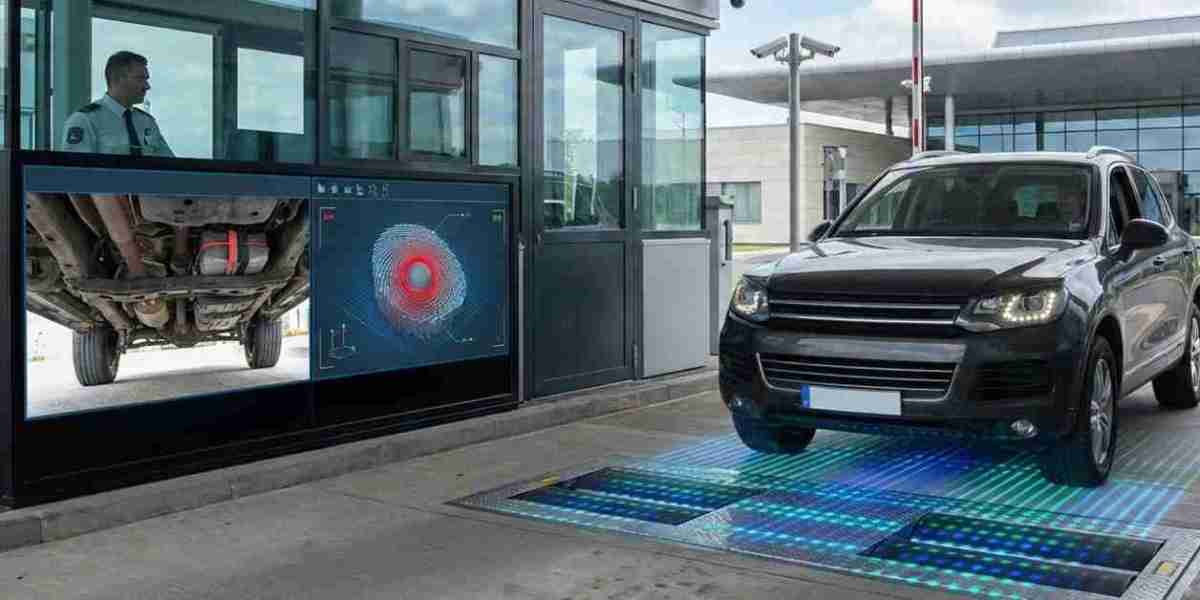
Advanced scanning technologies allow security personnel to view areas of a vehicle that are difficult to inspect manually. High-resolution imaging systems can reveal suspicious objects, structural modifications, or concealed materials underneath vehicles.
Many facilities are now integrating technologies such as a UVIS system to perform automated under-vehicle inspections. These systems capture detailed images of a vehicle’s underside and instantly display them on monitoring screens, allowing security teams to identify anomalies or potential threats quickly.
This type of automated inspection greatly improves the reliability of security checks while reducing the need for manual searches.
Supporting National Security Infrastructure
The UAE invests heavily in national security infrastructure to protect critical sectors such as oil and gas facilities, transportation networks, government institutions, and international airports.
Smart checkpoints help strengthen these security layers by providing consistent and reliable monitoring at entry points. Automated systems ensure that every vehicle undergoes the same level of inspection, regardless of traffic volume or time of day.
By integrating checkpoint data with broader security networks, authorities can also monitor patterns and respond to unusual activities more effectively. This level of coordination enhances national security preparedness and helps prevent potential threats before they escalate.
Reducing Operational Costs Over Time
While smart checkpoint technologies require an initial investment, they can significantly reduce long-term operational costs. Automated systems reduce the need for large inspection teams and minimize the time required to process vehicles.
Additionally, digital record-keeping eliminates paperwork and simplifies security audits. Data can be stored and retrieved easily, helping organizations track vehicle activity and maintain compliance with security regulations.
The improved efficiency also reduces congestion and waiting times, which is particularly important for commercial facilities where delays can impact productivity and logistics operations.
The Future of Security in the UAE
The UAE is known for embracing innovation, and its approach to security is no exception. Smart checkpoints align perfectly with the country’s vision of building smart cities and advanced infrastructure supported by digital technology.
As artificial intelligence, automation, and advanced imaging systems continue to evolve, checkpoint systems will become even more intelligent and efficient. Future security checkpoints may integrate predictive analytics, automated threat detection, and centralized monitoring platforms that connect multiple locations across the country.
These advancements will allow security teams to move from reactive responses to proactive threat prevention.
Conclusion
Smart checkpoints are quickly becoming a cornerstone of modern security strategies in the UAE. By combining automation, advanced imaging technologies, and digital monitoring systems, these checkpoints offer faster inspections, improved threat detection, and more efficient operations.
As the nation continues to grow as a global hub for business, tourism, and innovation, maintaining strong and reliable security systems will remain a top priority. Smart checkpoint technologies provide the tools needed to meet these challenges while ensuring safety, efficiency, and operational continuity across critical infrastructure.
For organizations responsible for protecting high-security facilities, investing in smart checkpoint solutions is no longer just an option—it is becoming an essential step toward the future of security.