


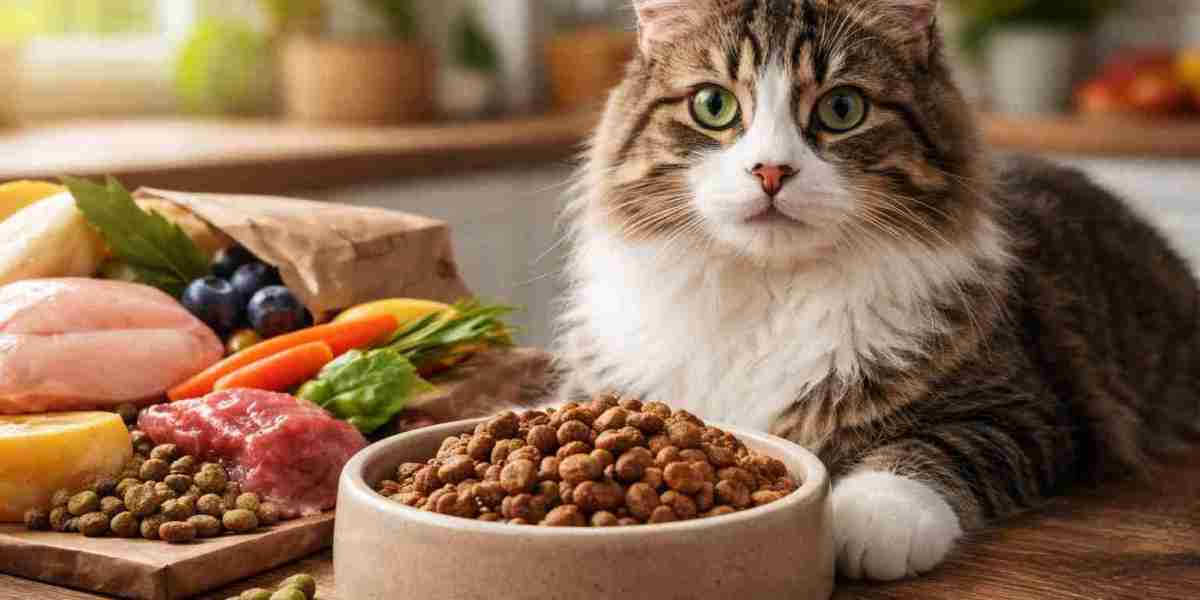
When it comes to feline nutrition, one of the most debated topics among pet parents in the USA is whether switching to grain free cat food actually improves digestion. With so many options on the market and growing awareness around pet health, many cat owners are questioning what’s really best for their furry companions.
Is grain-free just a trend, or does it truly benefit your cat’s digestive system?
In this detailed guide, we’ll explore what veterinarians, pet nutritionists, and recent research say about grain-free diets, how they impact digestion, and how to choose the right food for your cat.
Understanding a Cat’s Digestive System
Before diving into grain-free diets, it’s important to understand how a cat’s digestive system works.
Cats are obligate carnivores. This means their bodies are biologically designed to thrive on animal-based proteins rather than plant-based carbohydrates. Their digestive tract is shorter than that of omnivores, making it highly efficient at processing meat but less adaptable to digesting large amounts of grains.
Unlike dogs or humans, cats don’t require grains for energy. Instead, they rely on protein and fat as primary fuel sources.
This is one of the reasons why grain-free diets have gained popularity among U.S. pet parents.
What Is Grain-Free Cat Food?
Grain-free cat food eliminates traditional grains such as wheat, corn, rice, and barley from its formulation. Instead, these foods often use alternative carbohydrate sources like sweet potatoes, peas, or lentils.
The idea behind this shift is simple: remove ingredients that may be harder for some cats to digest and replace them with nutrient-dense alternatives.
However, not all grain-free foods are created equal. Some formulas simply replace grains with other fillers, while others focus on high-quality protein and balanced nutrition.
Does Grain-Free Cat Food Improve Digestion?
1. Easier Digestion for Sensitive Cats
Many veterinarians agree that grain-free diets can benefit cats with sensitive stomachs. Some cats may struggle to digest certain grains, leading to symptoms such as:
- Vomiting
- Diarrhea
- Bloating
- Gas
By eliminating grains, these symptoms may reduce in cats that have specific sensitivities.
However, it’s important to note that grain intolerance is relatively uncommon in cats. Most digestive issues are actually linked to protein sources rather than grains.
2. Higher Protein Content Supports Digestive Health
Grain-free diets typically contain a higher percentage of animal protein. This aligns better with a cat’s natural dietary needs.
High-protein diets can:
- Improve nutrient absorption
- Support lean muscle mass
- Promote efficient digestion
From a digestive standpoint, protein-based nutrition is easier for cats to process compared to carbohydrate-heavy meals.
3. Reduced Fillers May Improve Stool Quality
Lower-quality cat foods often include grains as inexpensive fillers. These fillers can sometimes lead to:
- Larger, less consistent stools
- Increased litter box odor
- Poor nutrient absorption
Switching to the best grain free cat food can result in firmer stools and improved overall gut health—especially when the formula focuses on high-quality ingredients.
4. Not a Universal Solution
While grain-free diets can help some cats, they are not a cure-all.
Experts emphasize that digestion depends on multiple factors:
- Ingredient quality
- Protein source
- Food processing methods
- Individual cat health
For example, a cat allergic to chicken will still experience digestive issues even if the food is grain-free.
What Do Veterinarians and Experts Say?
Balanced Nutrition Matters More Than “Grain-Free”
According to many U.S.-based veterinarians, the key to digestive health is not simply removing grains—it’s ensuring a balanced, complete diet.
The Association of American Feed Control Officials (AAFCO) sets nutritional standards for pet food, and experts recommend choosing foods that meet these guidelines regardless of whether they contain grains.
Grain Allergies Are Rare in Cats
One common misconception is that grains are a major cause of food allergies in cats.
In reality, most feline food allergies are triggered by proteins such as:
- Chicken
- Beef
- Fish
Grains are rarely the primary culprit.
Quality Over Marketing Trends
Pet nutritionists often caution against choosing food based solely on labels like “grain-free.”
Instead, they recommend evaluating:
- Ingredient transparency
- Protein sources
- Nutritional balance
- Brand reputation
Many of the top cat food brands now offer both grain-inclusive and grain-free options tailored to different health needs.
When Should You Consider Grain-Free Cat Food?
While not necessary for every cat, grain-free diets may be beneficial in certain situations.
1. Food Sensitivities or Intolerances
If your cat experiences frequent digestive upset, a grain-free formula may help identify whether grains are contributing to the issue.
2. Chronic Digestive Issues
Cats with ongoing problems such as diarrhea or vomiting may benefit from a simplified diet with fewer ingredients.
3. Weight Management
Some grain-free diets are lower in carbohydrates, which may support weight control when paired with proper portioning.
4. Skin and Coat Problems
Although not directly related to digestion, improved nutrition can lead to healthier skin and a shinier coat—often a sign of better internal health.
Potential Downsides of Grain-Free Diets
It’s important to consider both sides before making a switch.
1. Risk of Nutritional Imbalance
Some grain-free formulas rely heavily on legumes or potatoes, which may not provide the same nutritional value as high-quality protein sources.
2. Higher Cost
Grain-free foods are often more expensive than traditional options, which can be a factor for many pet owners.
3. Not Always Better
Just because a food is grain-free doesn’t automatically make it healthier. Poor-quality grain-free foods can still contain fillers and artificial additives.
How to Choose the Right Cat Food for Digestion
Whether you choose grain-free or not, here are some expert tips to support your cat’s digestive health:
Look for High-Quality Protein
The first ingredient should always be a named animal protein like chicken, turkey, or salmon.
Avoid Artificial Additives
Steer clear of artificial colors, preservatives, and flavors that may irritate the digestive system.
Check for Digestive Support Ingredients
Ingredients such as probiotics, prebiotics, and fiber can promote a healthy gut.
Read Labels Carefully
Choose foods that meet AAFCO standards to ensure complete and balanced nutrition.
Transition Gradually
Always introduce new food slowly over 7–10 days to avoid upsetting your cat’s stomach.
Grain-Free vs. Grain-Inclusive: Which Is Better?
There’s no one-size-fits-all answer.
For some cats, grain-free diets can improve digestion and overall comfort. For others, traditional diets work perfectly fine.
The decision ultimately depends on your cat’s:
- Age
- Health condition
- Activity level
- Individual tolerance
Consulting your veterinarian is always the best first step before making significant dietary changes.
Real-Life Perspective: What U.S. Pet Parents Are Saying
Across the USA, many pet owners report noticeable improvements after switching to grain-free diets, including:
- Reduced vomiting
- Better stool consistency
- Increased energy levels
However, others see no significant difference, reinforcing the idea that every cat is unique.
Final Thoughts
So, does grain free cat food improve digestion?
The answer is: it can—but not for every cat.
While grain-free diets may benefit cats with specific sensitivities or digestive issues, they are not inherently superior for all felines. What truly matters is feeding a balanced, high-quality diet that meets your cat’s nutritional needs.
Instead of focusing solely on whether a food contains grains, prioritize ingredient quality, protein sources, and overall formulation.
Your cat’s health—and their happy purrs—depend on it.
FAQs
1. Is grain-free cat food better for all cats?
No, grain-free diets are not necessary for every cat. Many cats digest grains without any issues. It’s best suited for cats with specific sensitivities.
2. How do I know if my cat needs grain-free food?
Signs like frequent vomiting, diarrhea, or bloating may indicate a sensitivity. Consult your veterinarian before making changes.
3. Can grain-free diets cause health problems?
Poorly formulated grain-free diets can lead to nutritional imbalances. Always choose high-quality, balanced options.
4. How long does it take to see digestive improvements?
Most cats show improvement within 1–3 weeks after switching diets, provided the new food suits their needs.
5. What should I look for in a high-quality cat food?
Focus on real meat as the first ingredient, balanced nutrition, no artificial additives, and compliance with AAFCO standards.



