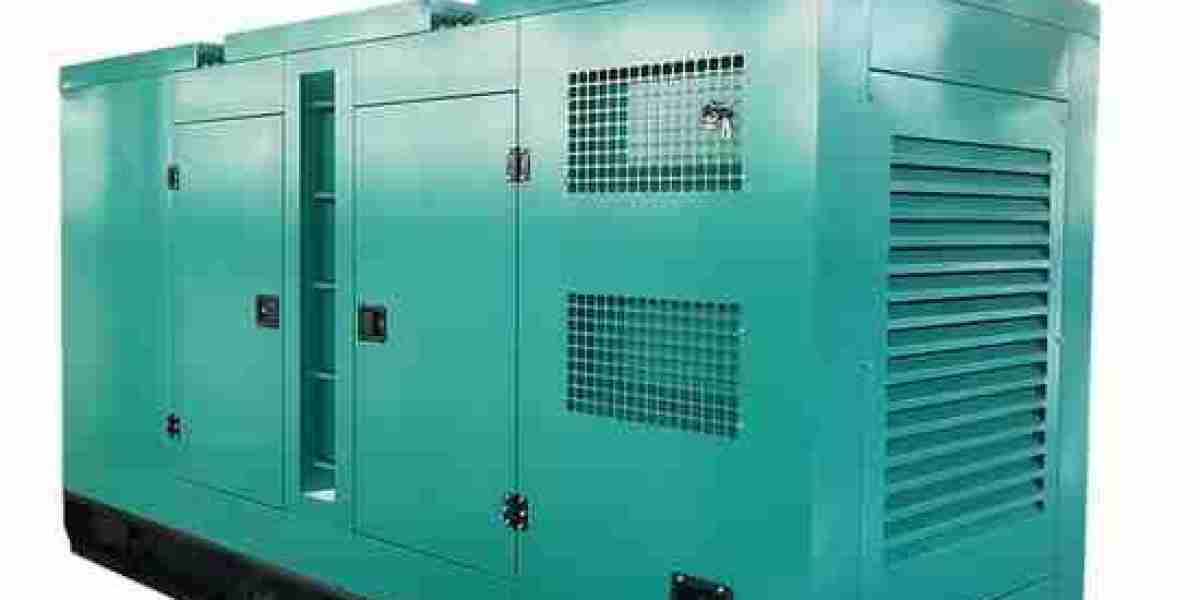
As we navigate the middle of 2026, the industrial landscape is witnessing a massive transformation in how it secures its most basic necessity: consistent, heavy-duty power. For decades, the industrial generator was basically a "dumb" asset—just a heavy internal combustion engine sitting in a shed, waiting for the grid to fail. Today, that old model is dead. The intersection of strict carbon mandates, the explosion of AI-driven data centers, and a new era of "Energy-as-a-Service" has turned the humble genset into a sophisticated, software-defined power plant. If you want to see how these advanced systems are being deployed to protect high-stakes manufacturing and logistics right now, you can click here to explore the technical specs of the latest Tier 4 and hydrogen-ready units entering the market. The future isn't just about bigger engines; it’s about "Intelligence-at-the-Edge" and the total decentralization of the energy grid.
The Pivot to Hydrogen and Ammonia
The biggest headline in 2026 is the "de-dieselization" of the industrial sector. Diesel is still the king of energy density, sure, but carbon taxes and ESG pressures have forced a massive shift toward alternative fuels that don't kill a company's sustainability rating.
- Hydrogen-Ready Platforms: We are now seeing the first generation of large-scale industrial generators that are "fuel-agnostic." These units can run on a blend of natural gas and hydrogen. A simple injector swap allows for 100% green hydrogen combustion.
- The Ammonia Play: For remote sites—mining, offshore rigs, and rural processing plants—ammonia is emerging as the winner. It’s easier to move and store at scale than liquid hydrogen. 2026-spec generators are now hitting the market with integrated ammonia crackers that convert the fuel back to hydrogen right before it hits the chamber.
Generators as "Grid Stabilizers" (VPPs)
In the old days, a generator only ran when the grid went down. In 2026, generators are running even when the grid is healthy. This is the era of the Virtual Power Plant (VPP).
Factories are now using their backup assets to participate in "Demand Response" programs. When the public grid is under strain—like during a heatwave or a sudden drop in solar output—smart controllers fire up the onsite industrial generators to take the facility off the grid. In many cases, these generators even pump excess power back into the utility lines. This turns the generator from a "sunk cost" (insurance) into a revenue stream. Industrial sites are no longer just consumers; they are active participants in grid stability, getting paid by utilities to maintain a standby state of readiness.
The Death of Scheduled Maintenance
The "Check the oil every 250 hours" rule is officially obsolete. In 2026, industrial generators are part of a continuous feedback loop.
- Predictive Failure: Using kHz-level vibration sensors and thermal imaging, modern controllers can detect a micro-vibration in a bearing weeks before it leads to a catastrophic failure.
- Digital Twins: Every major industrial unit now comes with a "Digital Twin"—a virtual replica that lives in the cloud. By running simulations on the twin using real-time data from the physical machine, engineers can optimize fuel-to-air ratios for specific weather conditions, extending the life of the engine by 15-20% compared to the old static schedules of the 2010s.
Microgrids and the AI Power Hunger
The global explosion of generative AI has created a desperate need for high-density power. Data centers in 2026 are consuming more energy than small cities, and they cannot afford even a millisecond of downtime.
This has led to the rise of the Industrial Microgrid. Instead of one massive generator, facilities are deploying modular arrays of smaller units (750kVA to 1500kVA) in an "N+1" configuration. If one engine fails or needs service, the others automatically pick up the load without a flicker. These microgrids are hybridized with massive battery storage (BESS). The batteries handle the "instant" transition while the generators spool up to provide the long-term muscle for the duration of the outage.
Noise and Emission "Hardening"
As industrial zones get closer to residential areas due to urban sprawl, the "Physical Footprint" of a generator has changed.
- Acoustic Engineering: 2026-standard enclosures are no longer just metal boxes with foam. They use active noise cancellation technology and advanced baffle designs to bring 2000kVA units down to whisper-quiet levels (under 65dB at 7 meters).
- The "Clean Exhaust" Reality: Tier 4 Final and Stage V emission standards are now the global baseline. Selective Catalytic Reduction (SCR) and Diesel Particulate Filters (DPF) are integrated into the core design. This makes the exhaust of a modern industrial generator cleaner than the ambient air in some of the world's most polluted cities.
Conclusion: The Shift to "Power-as-a-Service"
Perhaps the most significant business shift in 2026 is that many industrial firms no longer want to own their generators. We are seeing a massive move toward Power-as-a-Service.
Instead of a multi-million dollar CapEx to buy a fleet of generators, companies are signing OpEx contracts. A third-party provider installs, fuels, maintains, and monitors the equipment. The industrial site simply pays a monthly fee for a "guaranteed uptime." This shifts the mechanical risk entirely onto the provider and ensures that the hardware is always the latest, most efficient technology available.
The industrial generator of 2026 is a high-tech hybrid. It thinks, communicates with the grid, and burns green fuels that were considered "experimental" just five years ago. Whether it's protecting a pharmaceutical lab's cold-chain or keeping an AI training cluster online, the generator has evolved from a backup plan into a frontline strategic asset. The future belongs to the "Clean and Connected" machine. Move slow, check the specs, and buy for the long haul.