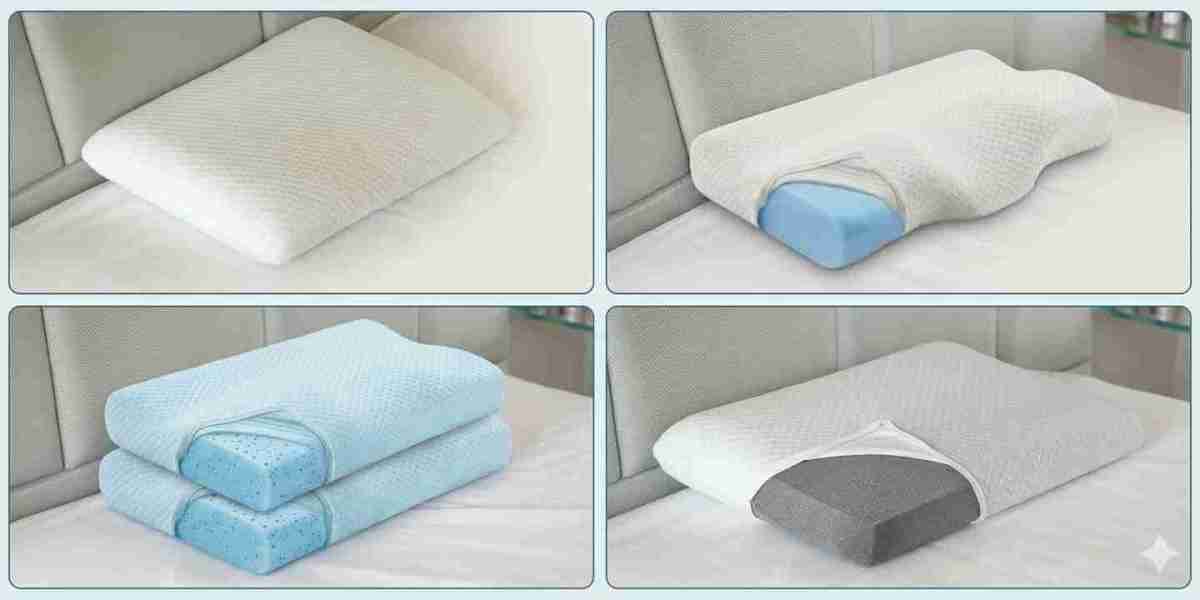
Memory foam pillows have revolutionized sleep comfort by conforming precisely to the contours of your head and neck, offering personalized support that traditional pillows often lack. Invented in the 1960s for NASA and later adapted for bedding, memory foam—also known as viscoelastic foam—responds to body heat and pressure, slowly cradling your body while gently pushing back to maintain alignment. This can reduce neck pain, shoulder tension, and pressure points, promoting deeper, more restorative sleep for millions worldwide.
Whether you're a side sleeper needing extra loft or a hot sleeper seeking cooling features, the right memory foam pillow can transform restless nights into refreshing ones. But with so many options available, understanding the types and what makes one "best" is key to finding your perfect match.
What Is Memory Foam and Why Use It in Pillows?
Memory foam is a polyurethane-based material designed to soften under heat and weight, then slowly return to its original shape. In pillows, this creates a "hug-like" feel that molds to your unique head and neck shape, helping maintain neutral spinal alignment. Benefits include superior pressure relief, hypoallergenic properties (resistant to dust mites and allergens), and durability compared to down or fiberfill alternatives. Many modern versions incorporate gel infusions or ventilation to combat the classic drawback of heat retention. However, not all memory foam pillows perform the same—differences in construction, density, and additives significantly affect comfort, breathability, and longevity.
How Many Types of Memory Foam Pillows Are There?
Memory foam pillows generally fall into a few core categories based on fill structure, shape, and enhancements. While variations exist (like proprietary blends), the main distinctions are:
1. Solid (One-Piece) Memory Foam Pillows
The memory foam pillow consists of a single block of foam, often molded or cut into shape. They deliver consistent, firm contouring support with a classic slow-sink feel. Many are perforated for better airflow or come in contoured (cervical) designs with a neck cradle. They excel at pressure relief but can retain more heat and lack adjustability.
2. Shredded Memory Foam Pillows
Filled with small pieces or chunks of memory foam (sometimes blended with microfiber or other materials), these offer a plush, moldable feel. The shreds allow for better airflow, reducing heat buildup, and most feature a zippered cover so you can add or remove fill to customize loft and firmness. The cooling pillow tends to feel softer and more adaptable than solid versions but may require occasional fluffing and can flatten faster over time.
3. Gel-Infused or Cooling Memory Foam Pillows
The gel pillow with memory foam builds on solid or shredded bases by infusing gel, graphite, or phase-change materials to draw away heat. They address the main complaint about traditional memory foam—overheating—while preserving contouring benefits. Many combine gel with ventilation holes or breathable covers for enhanced cooling.
4. Contoured (Cervical or Ergonomic) Memory Foam Pillows
Typically, solid foam with a wave-like or butterfly shape, a contour pillow is engineered for optimal neck support. The raised edges and dipped center cradle the head while aligning the cervical spine, making them ideal for pain relief. They come in varying heights and firmness levels.
5. Hybrid or Blended Memory Foam Pillows
These mix shredded memory foam with latex, kapok fibers, or other fills for a balance of contouring, responsiveness, and breathability. They bridge the gap between pure memory foam's sink and more bouncy alternatives.
Additional variations include adjustable multi-layer systems (with removable inserts of different firmnesses) and ventilated designs for maximum airflow. Density (measured in pounds per cubic foot) also differentiates them: lower-density (around 3 lb) feels plusher and cheaper but less durable, while higher-density (5+ lb) offers better support and longevity.
Key Features to Consider When Choosing a Memory Foam Pillow
- Loft (Height): Side sleepers usually need higher loft (5+ inches) to fill the shoulder-to-head gap; back sleepers prefer medium (4-5 inches); stomach sleepers do best with low loft (under 4 inches) to avoid neck strain.
- Firmness: Ranges from soft/plush to medium-firm. Firmer options suit side sleepers; softer ones work for back/stomach or those who like sinking in.
- Density and Durability: Higher density resists flattening and lasts longer (typically 2-3 years with proper care).
- Breathability and Cooling: Look for gel, perforations, or shredded fill if you sleep hot.
- Certifications: CertiPUR-US ensures low VOCs and no harmful chemicals.
- Care: Most are spot-clean only or have removable, washable covers; avoid machine-washing solid foam.
Which Memory Foam Pillow Is Best for a Good Night's Sleep?
The "best" depends on your sleep position, body type, and preferences—no single pillow suits everyone.
Here's a tailored guide:
- For Side Sleepers: Higher-loft, firmer solid or adjustable shredded options excel at filling the gap between shoulder and mattress. A contoured or high-density pillow prevents the head from sinking too low. Many testers praise dense one-piece models for consistent support without morning stiffness.
- For Back Sleepers: Medium loft with balanced firmness promotes spinal alignment. Shredded or gel-infused versions offer good contouring without excessive heat.
- For Stomach Sleepers: Low-loft, softer shredded or thin gel-infused pillows keep the head from tilting upward. Adjustability is a big plus here—remove fill as needed for a flatter profile.
- For Hot Sleepers: Prioritize gel-infused, shredded, or ventilated designs for superior airflow.
- For Neck Pain or Combination Sleepers: Adjustable shredded or multi-insert pillows allow customization. Contoured cervical styles often provide targeted relief.
Overall, adjustable shredded memory foam pillows (often blended for better performance) rank as the most versatile for most people. They combine contouring support with personalization, making them adaptable across positions and preferences. Solid one-piece options shine for those who love the classic slow-response feel and don't want to adjust fill. Look for reputable brands with trial periods to test in your own bed.
Pro Tip: Match the pillow to your mattress firmness. Softer mattresses pair well with firmer pillows, and vice versa, for optimal alignment.
Pros and Cons of Memory Foam Pillows
Pros:
- Excellent contouring and pressure relief for neck/shoulder comfort.
- Hypoallergenic and resistant to allergens.
- Durable with proper care.
- Helps maintain spinal alignment, potentially reducing pain.
Cons:
- Can retain heat (mitigated by modern cooling tech).
- Solid versions lack adjustability and may feel too "sinky" for some.
- Initial off-gassing smell in cheaper models (dissipates quickly).
- May require a break-in period; shredded ones can shift or flatten over time.
Conclusion
A quality memory foam pillow can be a game-changer for achieving deeper, pain-free sleep by delivering personalized support that aligns your spine and relieves pressure. With types ranging from solid contouring blocks to customizable shredded fills—and enhancements like gel cooling—there's an option for nearly every sleeper. Focus on your primary sleep position, loft needs, and temperature preferences when choosing. Invest in a well-made, certified pillow with a trial period, and pair it with good sleep habits for the best results. Sweet dreams await when your pillow truly cradles you through the night.
FAQs About Memory Foam Pillows
How long do memory foam pillows last?
High-quality ones typically last 2-3 years with regular use. Higher-density foam and proper care (using a protector, fluffing shredded versions) extend lifespan. Replace when it no longer holds shape or causes discomfort.
Are memory foam pillows good for side sleepers?
Yes—especially higher-loft, firmer models that support the neck gap. Adjustable or contoured versions often perform best for preventing pain.
Do memory foam pillows get hot?
Traditional ones can, due to dense structure. Opt for gel-infused, shredded, or ventilated designs to stay cooler.
Can you wash a memory foam pillow?
Usually not the foam itself—spot clean or use a removable/washable cover. Shredded versions may allow fill removal for easier maintenance. Always check manufacturer instructions.
Are shredded memory foam pillows better than solid ones?
It depends: Shredded offers better breathability and adjustability; solid provides more consistent, firm support. Many prefer shredded for versatility.
What density of memory foam is best?
Medium to high (4-5+ lb/ft³) for durability and support. Lower density feels plusher but wears faster.
Do memory foam pillows help with neck pain?
Many users report relief thanks to contouring and alignment. Consult a doctor for chronic issues, as the right loft and firmness are crucial.