


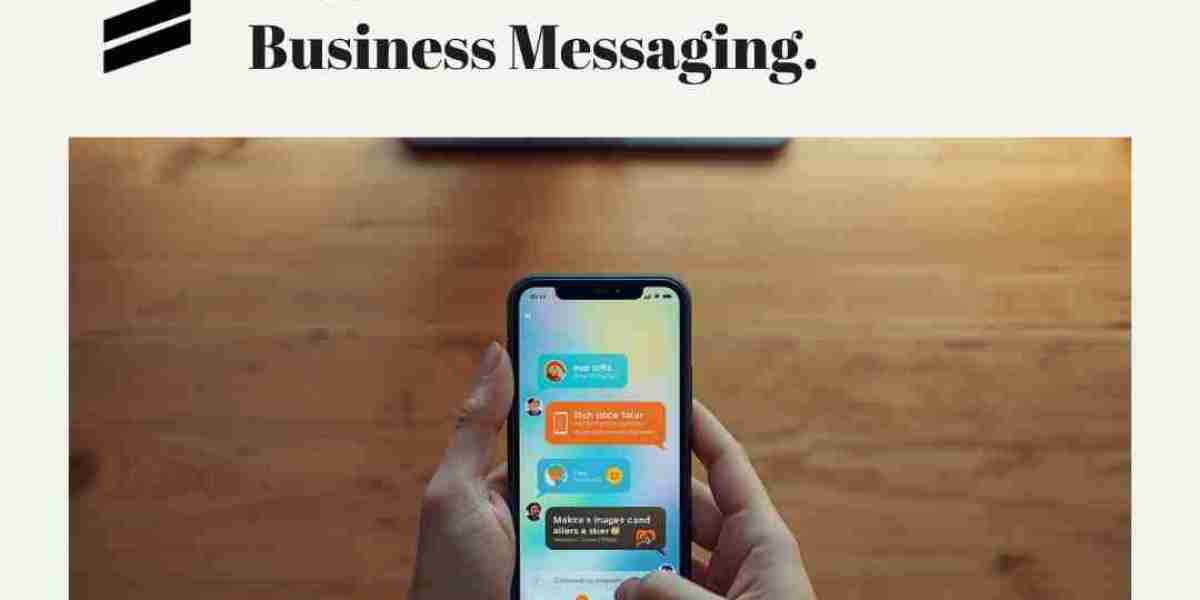
As customer expectations shift toward interactive, app-like conversations, traditional SMS struggles to keep up. This is where Rich Communication Services (RCS) steps in. Backed by the GSMA and widely implemented through Google Messages, RCS upgrades standard texting into a rich, multimedia messaging experience—without requiring users to download a new app.
RCS is often described as “SMS 2.0.” It combines the universal reach of SMS with the interactivity of modern messaging apps, allowing businesses to send branded, engaging, and actionable messages directly to a user’s default messaging inbox.
What is RCS?
RCS is a communication protocol that enhances traditional SMS by enabling features like images, videos, carousels, suggested replies, and verified sender profiles. It works natively within the phone’s messaging app, especially on Android devices, delivering an app-like experience inside the inbox.
For businesses, RCS opens the door to RCS Business Messaging (RBM)—a channel where brands can have rich, two-way conversations with customers using interactive content.
Key Features of RCS Business Messaging
- Branded Sender Profile
Businesses can display their logo, brand name, and verification badge, building immediate trust. - Rich Media Support
Messages can include high-resolution images, videos, GIFs, and carousel cards for product showcases. - Interactive Buttons
Suggested replies and call-to-action buttons allow users to respond with a single tap. - Read Receipts and Typing Indicators
Businesses can see message status, improving communication transparency. - No Additional App Required
RCS works within the native messaging app, removing barriers to adoption. - Secure and Verified Communication
RCS ensures verified business messaging, reducing spam and fraud risks.
How RCS Transforms Customer Engagement
Traditional SMS delivers plain text. RCS delivers experiences.
For example, instead of sending a simple “Your order has shipped” message, a brand can send:
- A product image
- A tracking button
- A “Contact Support” button
- A map view of delivery progress
This transforms passive notifications into interactive journeys.
Use Cases Across Industries
- E-commerce
Product promotions with carousels, abandoned cart recovery, order tracking with images. - Banking and Finance
Fraud alerts with quick action buttons, account updates, and secure communication. - Travel and Hospitality
Boarding passes, booking confirmations, itinerary updates with maps. - Healthcare
Appointment confirmations with reschedule buttons and location directions. - Retail
Personalized offers with “Buy Now” or “Locate Store” actions.
Benefits of RCS for Businesses
- Higher Engagement Rates
Rich visuals and interactive elements capture more attention than plain SMS. - Improved Customer Experience
Users can complete actions directly from the message without switching apps. - Brand Trust and Recognition
Verified sender profiles reduce the chances of phishing and spam. - Detailed Analytics
Read receipts and engagement tracking help businesses measure performance. - Cost Efficiency
Interactive support and automation reduce dependency on call centers.
RCS vs SMS: A Comparison
Feature | SMS | RCS |
Content | Plain text | Rich media, images, videos |
Branding | No | Yes |
Interactivity | No | Yes |
Read Receipts | No | Yes |
App Requirement | No | No |
Customer Experience | Basic | App-like |
How RCS Works with Existing Systems
RCS can be integrated with CRM systems, chatbots, and marketing platforms through RCS Business Messaging providers. Businesses design message templates, automation flows, and interactive journeys that are delivered directly to users’ messaging apps.
If a device or network does not support RCS, the message automatically falls back to SMS, ensuring delivery continuity.
The Role of Google in RCS Adoption
A major driver of RCS growth is Google’s support through the Android ecosystem. With Google Messages enabling RCS by default on many Android phones, the reach of RCS Business Messaging is expanding rapidly across global markets.
Telecom operators also support RCS infrastructure, making it a carrier-backed evolution of messaging rather than an over-the-top app.
Challenges and Considerations
While RCS offers powerful capabilities, adoption still depends on:
- Device compatibility (primarily Android)
- Carrier support in certain regions
- Awareness among businesses and customers
However, as adoption grows, RCS is expected to become a standard business communication channel.
The Future of RCS Business Messaging
RCS is paving the way for conversational commerce. Customers can browse products, confirm bookings, make inquiries, and even complete purchases—all within their messaging inbox.
As AI chatbots and automation integrate with RCS, businesses will be able to deliver highly personalized, real-time customer journeys at scale.
Conclusion
Rich Communication Services is redefining how businesses interact with customers through messaging. By combining the reach of SMS with the richness of modern apps, RCS Business Messaging delivers interactive, branded, and measurable communication. For companies seeking to enhance engagement and customer experience without requiring additional apps, RCS represents the future of business messaging.



