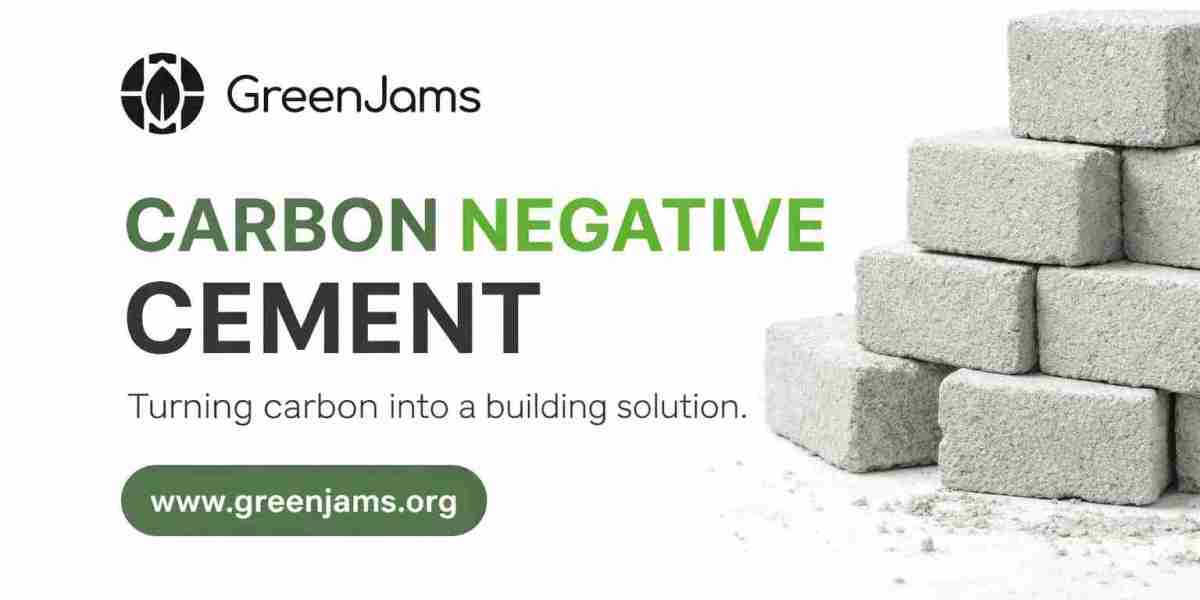
Carbon Negative Cement: Building a Climate-Positive Future
The construction industry is one of the largest contributors to global carbon emissions, and traditional cement production plays a major role in this problem. Cement manufacturing alone accounts for nearly 7–8% of worldwide carbon dioxide emissions. As the world seeks sustainable alternatives, carbon negative cement has emerged as a revolutionary solution that not only reduces emissions but actively removes carbon dioxide from the atmosphere.
What is Carbon Negative Cement?
Carbon negative cement is an innovative building material designed to absorb more carbon dioxide (CO₂) than it emits during its production and lifecycle. Unlike conventional cement, which releases large amounts of CO₂ due to the heating of limestone and fossil fuel combustion, carbon negative cement incorporates processes and materials that capture and store carbon.
This type of cement uses alternative raw materials such as industrial byproducts (like fly ash or slag), magnesium-based compounds, or carbon capture technologies. The goal is to create a net-negative carbon footprint, meaning the cement contributes positively to environmental sustainability.
How Does It Work?
Carbon negative cement works through a combination of advanced technologies and material science. One common method involves using magnesium silicates instead of limestone. When processed, these materials can absorb CO₂ during curing, effectively locking carbon into the final product.
Another approach involves injecting captured CO₂ into wet concrete during mixing. The CO₂ reacts with calcium ions to form stable calcium carbonate, which strengthens the material while trapping carbon permanently.
Some manufacturers also integrate carbon capture and storage (CCS) systems into their production plants. These systems capture emissions at the source and store them underground or reuse them in the cement-making process.
Benefits of Carbon Negative Cement
The advantages of carbon negative cement go far beyond environmental impact. It offers a wide range of benefits for builders, developers, and the planet.
- Reduces Carbon Footprint
The most obvious benefit is its ability to reduce or even reverse carbon emissions. This helps combat climate change and supports global sustainability goals. - Improved Durability
Carbon-infused concrete often has enhanced strength and durability. The formation of calcium carbonate improves the material’s density and resistance to cracking. - Resource Efficiency
By using industrial waste materials, carbon negative cement reduces the need for virgin resources and promotes a circular economy. - Regulatory Compliance
Governments around the world are introducing stricter environmental regulations. Using sustainable materials like carbon negative cement can help companies meet these requirements and avoid penalties. - Market Advantage
Eco-friendly construction materials are increasingly in demand. Builders who adopt carbon negative cement can attract environmentally conscious clients and investors.
Challenges and Limitations
Despite its promise, carbon negative cement is not without challenges. One of the primary barriers is cost. Advanced technologies and new materials can make production more expensive compared to traditional cement.
Scalability is another issue. While several companies have developed successful prototypes and pilot projects, large-scale adoption is still in progress. Infrastructure, supply chains, and industry standards need to evolve to support widespread use.
Additionally, awareness and acceptance within the construction industry remain limited. Many builders are hesitant to switch from conventional materials due to concerns about performance, cost, and availability.
Real-World Applications
Carbon negative cement is already being used in various projects worldwide. From eco-friendly buildings to infrastructure development, early adopters are demonstrating its potential.
Some companies are producing carbon-negative concrete blocks, paving stones, and precast elements. These products are being used in sidewalks, buildings, and even large commercial projects. As technology advances, the range of applications is expected to expand significantly.
The Future of Construction
The future of construction lies in sustainable innovation, and carbon negative cement is at the forefront of this transformation. As research continues and production methods improve, costs are expected to decrease, making it more accessible to the mass market.
Governments, private companies, and environmental organizations are investing heavily in green construction technologies. Policies such as carbon pricing and green building certifications are also encouraging the adoption of low-carbon materials.
In the coming years, carbon negative cement could become a standard in the construction industry, replacing traditional cement in many applications. This shift would significantly reduce global emissions and help create a more sustainable built environment.
Conclusion
Carbon negative cement represents a major breakthrough in sustainable construction. By turning one of the most polluting industries into a potential carbon sink, it offers a powerful tool in the fight against climate change. While challenges remain, ongoing innovation and growing awareness are paving the way for a cleaner, greener future.
Adopting carbon negative cement is not just an environmental choice—it is a smart investment in long-term sustainability, resilience, and responsible development.
For More Information Contact us!