When it comes to upgrading your kitchen appliances or simply trying to follow a new recipe, you will likely encounter a critical choice: convection or conventional heating? While both appliances serve the same fundamental purpose—cooking food with heat—the method they use to deliver that heat is different. This distinction is crucial, as it affects cooking time, temperature, and even the final texture of your food.
Understanding the core differences between a convection oven and a conventional oven is the first step toward mastering your kitchen and achieving consistent, high-quality culinary results.
A modern electric range is shown in a clean, contemporary kitchen setting. The oven door is split visually in the center. The left half shows the interior of a conventional oven, with visible top and bottom heating elements and a casserole dish baking gently. The right half shows the interior of a convection oven, featuring a distinct fan visible on the back wall, actively circulating air around a roasting chicken.
The Conventional Oven: The Foundation of Cooking
The conventional oven (also sometimes called a thermal or radiant oven) is the traditional appliance most people are familiar with. It has been the staple of home kitchens for decades.
How it Works: Conventional ovens use two primary heating elements to cook: one at the top (the broil element) and one at the bottom. These elements heat the air inside the chamber. The key characteristic of conventional heating is that the hot air remains relatively static. It relies on natural circulation—where hot air rises and cooler air sinks—to move heat around the oven cavity.
Best Applications: Because the air is static, conventional heat is gentle and predictable. It creates natural temperature zones (the top rack is often hotter than the bottom rack). This environment is ideal for recipes that need stability or directional heat:
Delicate Batters: Soufflés, angel food cakes, and sponge cakes benefit from the lack of airflow, which can disrupt their delicate structure and cause them to collapse before setting.
Roasting Large Meats: Utilizing the top element (broiling) toward the end of cooking can brown the exterior of a roast beautifully, while the steady ambient heat from the bottom ensures the center is cooked perfectly without drying out.
The Convection Oven: The Power of Circulation
A convection oven is essentially a conventional oven that has been enhanced with one key component: a fan and an exhaust system.
How it Works: The fan, typically mounted on the back wall of the oven cavity, actively blows the hot air, circulating it throughout the chamber. The exhaust system vents excess moisture as it is released from the food. This moving air does two powerful things:
Eliminates Hot Spots: It creates a highly uniform temperature throughout the entire oven, meaning you can bake multiple trays of cookies on different racks simultaneously, and they will all bake evenly.
Accelerates Heat Transfer: Moving air strips away the boundary layer of cooler air that naturally insulates the surface of food. This allows the heat to penetrate the food much more efficiently, leading to faster cooking times (often 25% faster) and superior, even browning.
Best Applications: Convection is a champion of even cooking and rapid browning (the Maillard reaction):
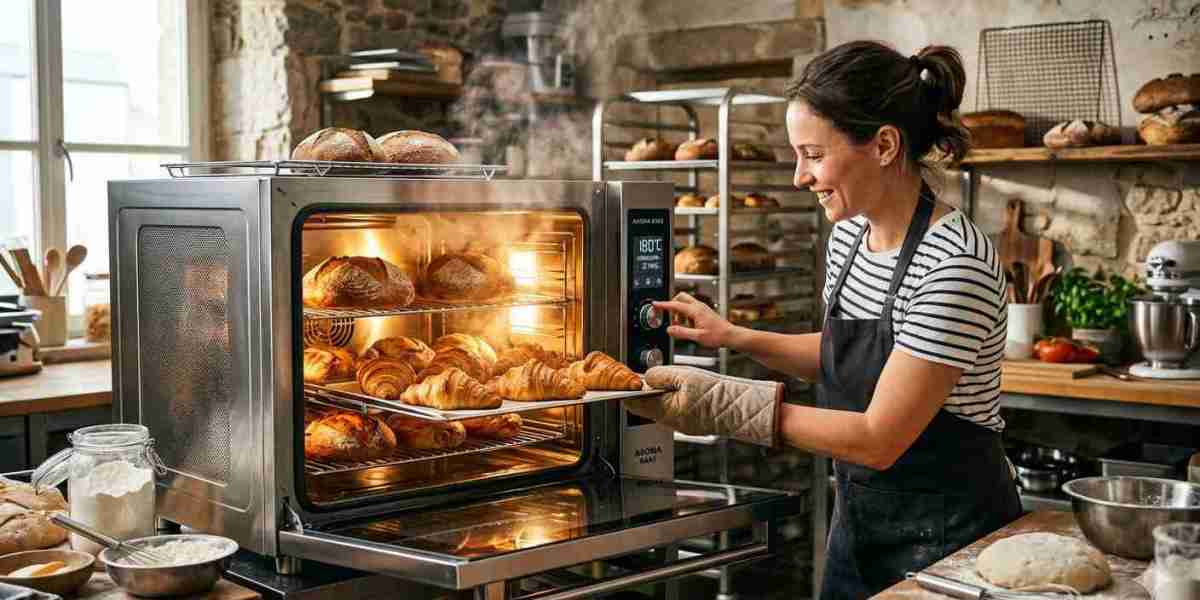
Roasting and Crisping: It is the ultimate tool for achieving perfectly crisp chicken skin, deeply caramelized roasted vegetables, and a substantial crust on artisan breads.
Batch Baking: Because the heat is uniform, you are no longer limited to one rack at a time. Convection ensures consistent results across all racks, which is a major time-saver.
Making the Final Choice
The good news for most modern consumers is that they rarely have to choose only one. Most high-quality ovens sold today (whether gas or electric) are actually conventional ovens that feature a 'Convection Bake' or 'Convection Roast' setting, offering the best of both worlds.
When decided which mode to use, the equation is simple: Does this recipe require a gentle environment to rise, or does it need faster heat penetration and maximum browning? If you are making a delicate dessert, stick to conventional (standard) mode. If you are roasting a turkey or baking three dozen cookies, flip the switch to convection. By understanding these tools, you gain precise control over your oven, ensuring every dish is a success.