


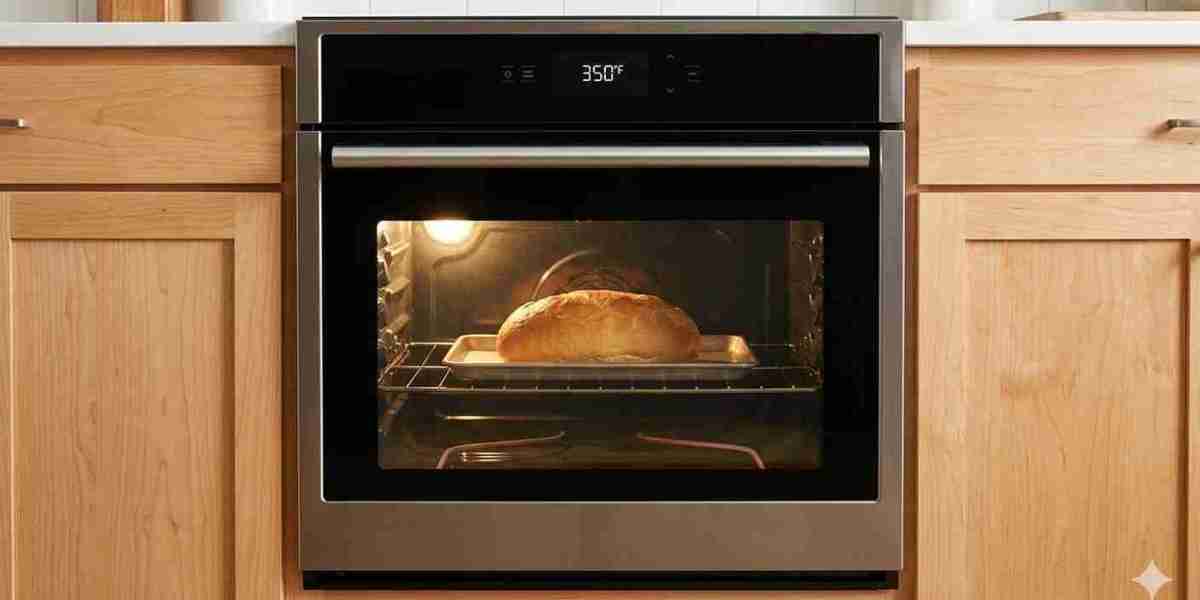
In a world filled with high-tech kitchen gadgets—from smart air fryers to precision sous-vide immersion circulators—the humble conventional oven remains the undisputed cornerstone of the culinary world. It is the appliance that generations have relied upon for everything from the simple comfort of a baked potato to the complex chemistry of a holiday roast. Yet, despite its ubiquity, many home cooks are unsure exactly how a conventional oven works, or how it differs from its modern counterpart, the convection oven.
Understanding the mechanics of a conventional oven is not just trivia; it is the fundamental first step toward mastering consistent, predictable baking and roasting.
The Radiant Rule: How Conventional Heating Works
The conventional oven—often also referred to as a "standard," "thermal," or "radiant" oven—operates on the basic, centuries-old principle of radiant heat.
The Process: A conventional oven heats the air inside its insulated chamber using two primary sources: a bottom heating element and a top heating element (in gas ovens, these are powerful burners). When you set the target temperature, these elements (or burners) cycle on and off to warm the static air.
The Result: The crucial takeaway is that in a conventional oven, the air remains relatively still. It relies exclusively on natural convection—the physical process where hot air rises and cooler air sinks—to slowly and passively circulate heat throughout the oven cavity. This creates predictable temperature zones: the air near the top element is usually slightly hotter than the center.
Conventional vs. Convection: The Static Difference
To truly grasp "what is the conventional oven," you must understand its defining limitation: it has natural "hot spots." In contrast, a modern convection oven features a specialized fan and an exhaust system. The fan actively blows the hot air, circulating it throughout the entire chamber. This moving air does two powerful things:
Eliminates Hot Spots: It creates a highly uniform temperature across all racks simultaneously.
Accelerates Heat Transfer: It strips away the insulating layer of cooler, moist air that naturally surrounds food, causing it to cook about 25% faster than in a conventional oven.
When to Use a Conventional Oven
While the convection setting is a champion for rapid crisping and batch baking (where you need to use multiple racks simultaneously), the quiet, static environment of the conventional oven is specialized and indispensable for certain culinary techniques:
1. Delicate Batters and Soufflés
This is the supreme domain of the conventional oven. Batters that rely on aeration—like sponge cakes, angel food cakes, and soufflés—require a gentle, predictable rise without any strong, blowing air, which can disrupt their delicate structure before they set. Conventional radiant heat provides exactly this gentle environment.
2. Specialized Roasting
When roasting large cuts of meat low-and-slow, you often want a gentle, steady heat that surrounds the food without accelerating exterior browning. The static radiant heat from the bottom element allows the meat to cook evenly to the perfect internal temperature without drying the outside. Toward the end, you can switch to the intensive top element (broil setting) to achieve the perfect, directed Maillard reaction browning.
3. Casseroles and Slow Cooking
Standard ovens are ideal for maintaining a slow, steady, even heat source when using a Dutch oven, ceramic baker, or covered casserole dish.
Conclusion
The conventional oven is not outdated; it is specialized. It provides the gentle, predictable, non-moving radiant heat environment necessary for precise, delicate baking. While it requires you to be patient and rotate your pans for even browning, its fundamental reliability makes it the true foundation of every successful kitchen. By understanding its strengths, you gain the precise control needed to ensure your culinary creations turn out exactly as you—and generations before you—intended.



