Source: https://www.ambujahelp.in/blogs/how-much-cement-for-roofing-does-your-home-actually-need-a-practical-guide
If you've ever sat down with a contractor and asked how much cement your roof will need, you've probably received a number that felt either too high or completely absurd. The truth is that the quality of cement for roofing follows a fairly straightforward logic once you understand what goes into it. This guide breaks it all down in plain terms so you can plan your roofing project with confidence and without surprises.
Why the Roof Demands Special Attention
Your roof is the most exposed part of your home. Rain, heat, wind, and season changes all hit the roof first. That means the cement used here needs to not just bind but also resist water seepage, bear structural loads, and hold up for decades without cracking.
This is why it’s important to be careful while choosing the roofing cement. Roof concrete must be denser, stronger, and made with water-resistant formulas. Getting the quantity: too little and you compromise strength; too much and you're wasting money, is why a bit of planning goes a long way.
Understanding the Basics: What Goes Into a Roof Slab?
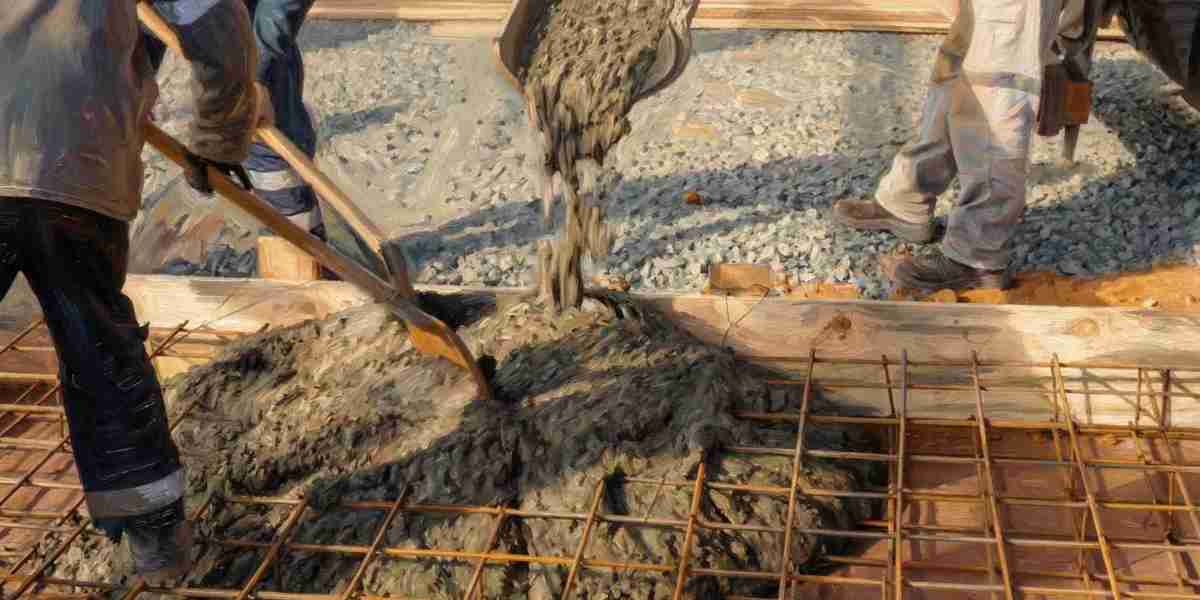
A standard RCC (Reinforced Cement Concrete) roof slab is made of cement, sand, aggregates (crushed stone), water, and steel reinforcement. The typical concrete mix used for roof slabs in residential construction is M20, which means a ratio of 1:1.5:3: one part cement, 1.5 parts sand, and 3 parts aggregate.
For every cubic metre of concrete produced using this mix, you'll need approximately 8 bags of cement (50 kg each).
Calculating How Much Cement You Actually Need
Here's the basic formula:
Volume of slab = Length × Width × Thickness
For a standard residential slab, thickness is usually 125mm (0.125 metres) for light loads and up to 150mm (0.15 metres) for heavier spans.
| Roof Area (sq ft) | Approx. Area (sq m) | Slab Thickness | Volume of Concrete | Cement Required (bags) |
|---|---|---|---|---|
| 500 sq ft | 46.5 sq m | 125 mm | 5.8 cu m | ~47 bags |
| 1000 sq ft | 92.9 sq m | 125 mm | 11.6 cu m | ~93 bags |
| 1500 sq ft | 139.4 sq m | 125 mm | 17.4 cu m | ~140 bags |
| 1000 sq ft | 92.9 sq m | 150 mm | 13.9 cu m | ~112 bags |
These figures are estimates for the slab alone. Extra cement will also be needed for:
- Waterproofing treatment on top of the slab
- Plastering the underside of the roof (ceiling)
- Filling construction joints or cracks
Always add 5–10% to your estimate as a buffer for wastage and unforeseen requirements.
Roof Types and Their Different Cement Needs
Not all roofs are built the same way, and each type has different material priorities.
| Roof Type | Key Requirement | Recommended Cement Type |
|---|---|---|
| Flat RCC Slab | High strength + waterproofing | Water-repellent PPC or specialised waterproof cement |
| Pitched Roof | Structural load resistance | High-strength OPC or PPC |
| Roof with terrace use | Durability + water resistance | Dense concrete with waterproofing treatment |
| Sloped sunshade / chajja | Thin sections, high workability | OPC 43 or 53 grade |
Why Water Resistance Should Be Non-Negotiable
Water damage is a major concern for any roof. It doesn't always show up immediately. Moisture slowly works its way through the concrete, reaches the rebar structure, causes it to rust and expand, and eventually leads to cracks and spalling. By the time you see the damage, it's already expensive to fix.
This is exactly the reason you should go for the best cement option in India, especially for matters related to your roof. Our Ambuja Kawach and Ambuja Plus are specially made with water-repellent properties, helping prevent seepage in slabs, roofs, and even foundations. For roofing, using a cement that naturally resists water is a much smarter and more reliable choice than depending only on external waterproofing treatments, which can wear off over time.
Factors That Can Change Your Cement Requirement
A few site-specific factors can push your cement quantity up or down:
- Span length: Longer spans between support columns require thicker slabs
- Live load: A roof terrace that will be used regularly needs more structural depth than an inaccessible roof
- Soil and foundation type: Affects overall structural design, which can influence slab specifications
- Local seismic zone: Higher seismic zones may require denser reinforcement and concrete mixes
- Contractor's mix design: A properly designed mix with the right water-to-cement ratio affects both quantity and quality
A Quick Pre-Roof Checklist
Before the concrete is poured, make sure the following are in place:
- Structural drawings approved and slab thickness confirmed
- Steel reinforcement laid and inspected
- Formwork properly supported and level
- Cement sourced from an authorised dealer with a verified manufacturing date
- Water-to-cement ratio agreed upon with contractor
- Allotted time for curing: roof slabs need at least 14 days of proper water curing
The Bottom Line
Calculating cement for any construction or roof renovation doesn't need to be complicated, but it does need to be done properly. Use the area-based estimates in this guide as your starting point, factor in your specific roof type and usage, and always source your cement from a reliable, authorised supplier. A well-cast roof with the right roofing cement will serve your home quietly and reliably for decades, which is exactly what a roof is supposed to do.
FAQ’s
Q.1 How effective is waterproof cement for roofing?
Waterproof cement is highly effective for roofing as it prevents water from seeping into the slab. It protects the steel reinforcement from corrosion and reduces the chances of cracks, leaks, and long-term damage. This makes it a reliable choice for roofs exposed to heavy rain and harsh weather conditions.
Q.2 Which cement is best for roofing work?
The best cement for roofing is one that offers both strength and water resistance. PPC and specialised waterproof cement variants are commonly preferred for roof slabs. These provide better durability, reduced permeability, and improved long-term performance compared to standard cement, especially in climates with heavy rainfall and temperature variations.
Q.3 How do you calculate the cement required for a roof slab?
Cement requirement is calculated using the slab volume: length × width × thickness. For an M20 mix, about 8 bags of cement are needed per cubic metre of concrete. Based on slab size and thickness, you can estimate total cement needs and add an extra 5–10% for wastage and additional work.
Q.4 Why is roof slab thickness important in cement estimation?
Roof slab thickness directly affects the total volume of concrete required, which in turn determines cement quantity. Thicker slabs need more materials but offer greater strength and load-bearing capacity. The right thickness depends on factors like span length, intended usage, and structural design requirements of the building.
Q.5 What additional cement is needed beyond the roof slab?
Apart from the slab, extra cement is required for waterproofing layers, ceiling plastering, and filling joints or minor cracks. These elements ensure durability and finishing quality. Including a buffer of 5–10% in your total cement estimate helps account for such additional needs and avoids shortages during construction.