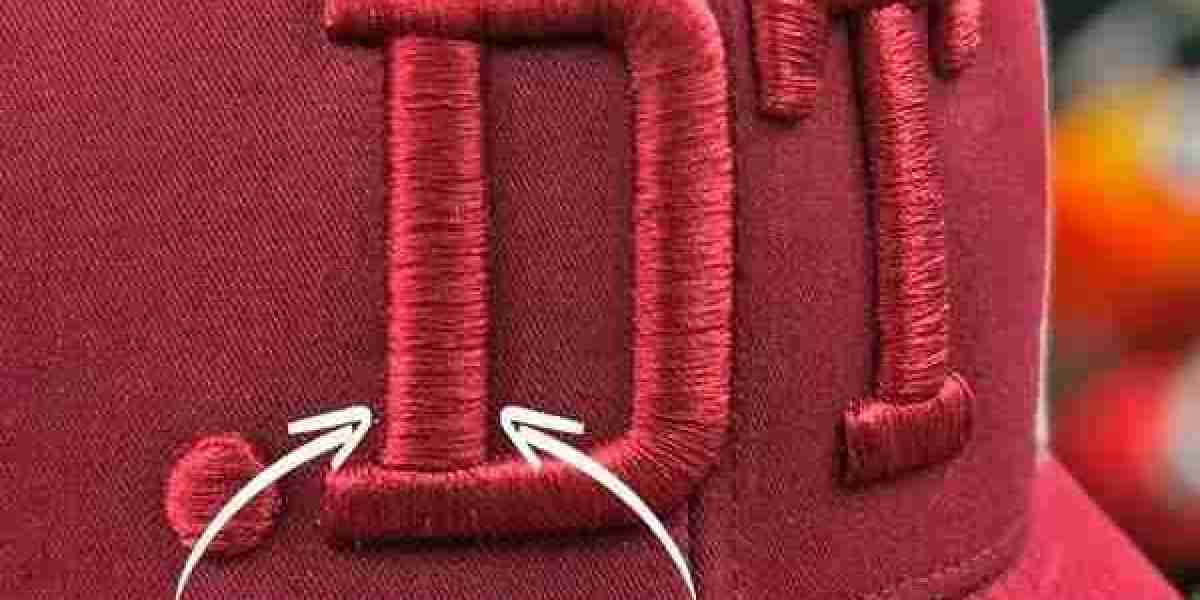
Custom 3D Puff Embroidery Digitizing Explained for Perfect Raised Stitch Results
Custom 3D puff embroidery digitizing is a specialized form of embroidery digitizing that creates a raised, three-dimensional effect using foam under stitches. It is widely used in cap logos, sportswear branding, streetwear fashion, and promotional apparel. The goal is to convert a flat design into a stitch file that allows embroidery machines to build height and dimension while maintaining clean edges and durability.
Unlike standard flat embroidery digitizing, 3D puff digitizing requires precise control of stitch direction, density, underlay structure, and foam compatibility. If any of these elements are incorrect, the final output can look uneven, collapsed, or messy. This makes proper digitizing the most important step in the entire process.
Why Custom 3D Puff Embroidery Digitizing Matters
One of the most common problems in embroidery production is poor quality raised designs. Businesses often face issues such as:
- Puff not fully rising
- Foam visible after stitching
- Letters collapsing or flattening
- Uneven stitch edges
- Thread breakage during production
These issues are usually not caused by the embroidery machine but by improper digitizing. Custom 3D puff embroidery digitizing solves these problems by carefully planning how stitches interact with foam material.
When done correctly, the design appears bold, clean, and professional, especially on structured caps and heavy fabrics.
How 3D Puff Embroidery Digitizing Works
The process starts with converting a logo or artwork into a digital stitch file. However, for 3D puff embroidery, digitizers must adjust the design differently compared to standard embroidery.
1. Simplifying the Design
Not all artwork is suitable for puff embroidery. Complex gradients, thin lines, and small details are removed or simplified. Bold shapes and thick letters work best because they can support foam structure.
2. Adding Edge Compensation
Stitches are adjusted to slightly overfill edges so that when foam is added, no gaps appear. This ensures clean borders after the puff expands.
3. Setting Proper Stitch Density
Density plays a key role. If stitches are too loose, foam will show through. If too dense, the needle may break or damage the design. Custom digitizing balances this carefully.
4. Creating Underlay for Stability
Underlay stitches form the foundation. They help stabilize fabric before foam is added. Without proper underlay, the design may sink or distort.
5. Defining Stitch Direction
Stitch direction affects how foam is pushed and covered. Proper direction ensures smooth coverage and consistent height.
Common Problems in 3D Puff Embroidery and Their Solutions
Even with modern machines, issues can arise if digitizing is not properly done.
Problem 1: Foam Showing Through Stitches
This happens when stitch density is too low. The solution is increasing stitch density and tightening underlay structure.
Problem 2: Flat or Weak Puff Effect
If the design looks flat, it may be due to incorrect foam thickness or poor stitch sequencing. Custom digitizing ensures correct layering so foam rises properly.
Problem 3: Thread Breakage
Too many stitches in a small area can cause thread stress. A balanced digitizing approach reduces unnecessary stitch overlap.
Problem 4: Uneven Lettering
Poor stitch direction can cause letters to appear distorted. Professional digitizing aligns stitch paths for smooth shaping.
Best Design Types for Custom 3D Puff Embroidery Digitizing
Not every design works well with puff embroidery. The best results come from:
- Bold block letters
- Simple logos
- Sports team initials
- Minimalist branding marks
- Thick outlined shapes
Small text or detailed illustrations should be avoided because foam cannot support fine details effectively.
Importance of Choosing Professional Digitizing
Many businesses try to save money by using cheap digitizing services or automatic software. This often leads to poor embroidery results and wasted materials.
Professional custom 3D puff embroidery digitizing ensures:
- Proper foam compatibility
- Clean edge definition
- Machine-friendly stitch files
- Reduced production errors
- Better brand presentation
A well-digitized file can significantly improve production speed and reduce machine downtime.
Role of Machines and Materials
Even with perfect digitizing, the final result depends on proper machine settings and materials.
- Foam thickness: Usually 2mm to 6mm depending on design
- Thread type: Polyester thread is commonly used for durability
- Needle size: Must be compatible with foam penetration
- Fabric choice: Structured caps and thick fabrics work best
Digitizing must be aligned with these physical factors to ensure smooth production.
Industries Using 3D Puff Embroidery
Custom 3D puff embroidery digitizing is widely used in multiple industries:
- Fashion brands (streetwear and urban clothing)
- Sports teams and merchandise
- Corporate branding on caps and jackets
- Promotional product companies
- Custom apparel businesses
The raised effect adds premium value and visual impact, making logos stand out more than flat embroidery.
Tips for Better 3D Puff Embroidery Results
To achieve high-quality output, follow these best practices:
- Use bold and simple artwork
- Avoid small details and thin fonts
- Test stitch files before full production
- Match foam type with digitizing density
- Maintain proper machine tension settings
These small adjustments significantly improve final embroidery quality.
Future of Custom 3D Puff Embroidery Digitizing
With advancements in digitizing software and embroidery machines, 3D puff embroidery is becoming more precise and efficient. Modern digitizers now use advanced simulation tools to preview foam behavior before production.
This reduces trial and error and improves consistency across large production runs.
As fashion trends continue to evolve, raised embroidery designs are expected to remain popular due to their bold and premium appearance.
Conclusion
Custom 3D puff embroidery digitizing is a critical step in creating high-quality raised embroidery designs. It requires technical skill, understanding of stitch behavior, and proper adjustment for foam-based embroidery. When done correctly, it transforms simple artwork into bold, professional designs that stand out on apparel.
Businesses that invest in proper digitizing gain better product quality, fewer production issues, and stronger branding impact.