In the modern marketplace, business boundaries are becoming increasingly fluid. Whether a startup in Chicago is looking to partner with a distributor in Germany or a law firm is handling international litigation, the need to present authenticated legal documents abroad is a common requirement. This is where the Apostille process becomes a critical component of your international operations. Navigating the specific requirements of foreign jurisdictions can be a daunting task, but understanding the fundamentals of Apostille services ensures that your global expansion remains on track.
The Mechanism of Global Document Verification
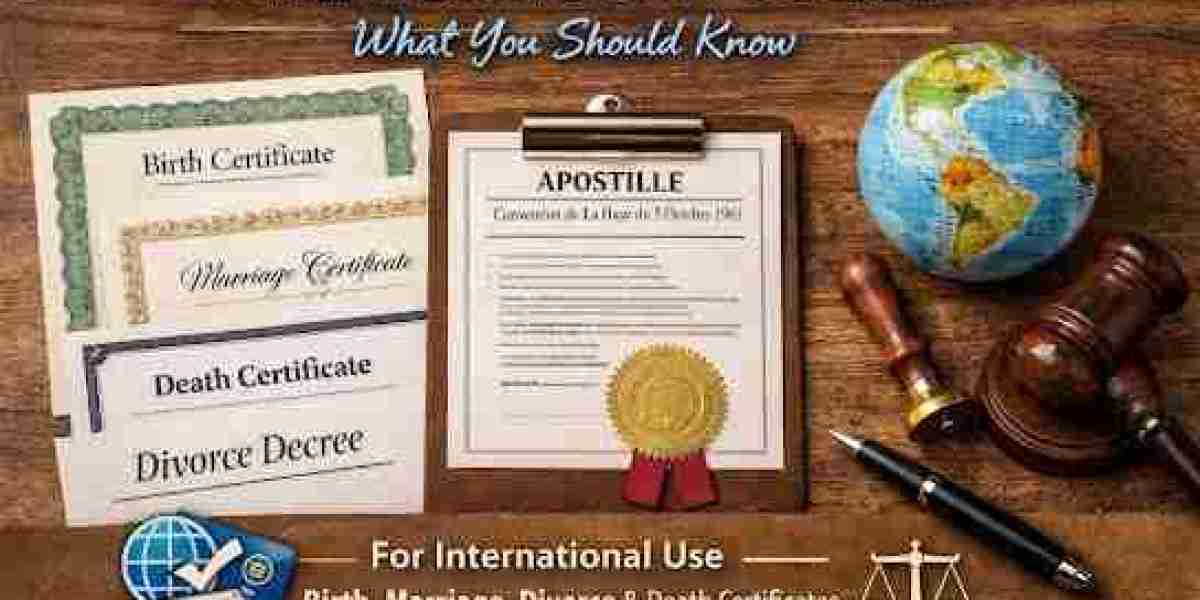
At its core, an Apostille is an internationally recognized form of authentication. It was established by the Hague Convention of 1961 to abolish the requirement of legalization for foreign public documents. Instead of going through a lengthy chain of certifications at various embassies and consulates, member nations agreed to accept a standardized certificate issued by a local authority—usually the Secretary of State.
For a business operating out of the United States, an Apostille confirms that the notary public or public official who signed your document is legitimate. It does not certify the content of the document itself, but rather validates the signature and seal, giving the recipient in a foreign country the confidence that the document is an official, legally binding instrument.
Key Business Documents That Require Authentication
As companies grow, the volume of paperwork that must cross borders increases. Several types of corporate documents frequently require an Apostille to be accepted by foreign banks, government agencies, or partners:
Articles of Incorporation: Essential for proving a company’s legal existence when opening branch offices or bank accounts overseas.
Powers of Attorney: Frequently used to grant local agents the authority to sign contracts or manage assets in a foreign country.
Bylaws and Operating Agreements: Often requested by foreign regulators to understand a company's internal governance structure.
Certificates of Good Standing: These documents prove that a company is compliant with state regulations and is authorized to do business.
Commercial Invoices and Contracts: Necessary for international trade and the enforcement of agreements in foreign courts.
The Strategic Value of Professional Apostille Services
Attempting to manage the Apostille process internally can lead to significant administrative bottlenecks. Business leaders often find that the intricacies of state-level requirements and the precision needed for notarization are better handled by specialists. Benson Bradley Signing Service, located in Chicago, IL 60602, provides the professional oversight needed to ensure these high-stakes documents are processed without error.
Working with an expert service provider offers several strategic benefits for the busy professional:
Risk Mitigation A single error in the notarization process can lead to a document being rejected by the Secretary of State or, worse, by the destination country after weeks of waiting. Professional services perform a rigorous review of every document before submission, identifying potential issues with signatures, dates, or notary stamps that could cause delays.
Focus on Core Operations Managing international paperwork is a time-consuming distraction for legal and administrative teams. By outsourcing the logistics of Apostille Services USA to a dedicated provider, your team can remain focused on higher-value tasks, such as closing deals or managing client relationships.
Predictable Timelines In international business, timing is everything. A delay in document authentication can stall a merger, hold up a shipment, or delay a critical hiring process. Expert services have deep knowledge of processing times and administrative nuances, allowing them to provide more accurate timelines for project completion.
Navigating Non-Hague Convention Countries
While the Apostille process simplifies things for over 120 countries, not every nation is a member of the Hague Convention. Countries like the UAE, China, or Vietnam often require a more complex multi-step process known as Embassy Legalization.
This process involves verification at the state level, followed by authentication by the U.S. Department of State in Washington, D.C., and finally, legalization by the embassy or consulate of the destination country. Navigating this "chain of authentication" requires a high level of coordination and specialized knowledge. A professional signing service is equipped to handle these multi-layered requirements, ensuring that your documents move through each office correctly.
Ensuring Flawless Notarization
The foundation of every Apostille is a valid notarization. In many cases, documents must be notarized in a very specific way to be eligible for an Apostille. For example, some states require specific "jurat" or "acknowledgment" wording, while others have strict rules about the placement of the notary seal.
For Chicago-based businesses, having a local partner like Benson Bradley Signing Service ensures that the underlying notary act is performed in strict accordance with Illinois law. This local expertise prevents the common "notary errors" that are the leading cause of document rejection at the state level.
The Digital Shift and Modern Authentication
As the business world moves toward digital workflows, the Apostille process is also evolving. Some jurisdictions have begun implementing electronic Apostilles, or e-Apostilles, which can be verified online. However, many foreign government offices still demand physical documents with original "wet" signatures and embossed seals.
Staying compliant in this hybrid environment requires a partner who understands both the traditional requirements and the emerging digital standards. Ensuring that your digital records are correctly converted into "apostille-ready" physical documents is a specialized skill that protects the integrity of your corporate records.
Why the Chicago Advantage Matters
Being located in a major commercial hub like Chicago provides businesses with access to sophisticated legal and administrative support. Using a local service in the 60602 area allows for rapid document pickup and delivery, as well as direct proximity to the relevant government offices. This physical presence is an asset when urgent document authentication is required for a last-minute international transaction.
Furthermore, a local service understands the unique needs of Chicago’s diverse business community, from tech startups in the West Loop to established legal firms in the Financial District. This tailored approach ensures that your specific document needs are met with a high level of professional care.
Conclusion: Empowering Your International Ambitions
International business success depends on more than just a great product or service; it requires the ability to navigate the legal and administrative landscapes of multiple countries. The Apostille is the key that unlocks these doors, allowing your U.S. documents to be recognized and respected around the world.
By partnering with a professional service like Benson Bradley Signing Service, you ensure that your international documentation is handled with the precision and speed that global business demands. You gain a partner who understands the high stakes of international commerce and provides the expertise needed to bridge the gap between U.S. regulations and foreign requirements.
Don't let administrative hurdles slow your global growth. With professional guidance, the process of document authentication becomes a seamless part of your international strategy, allowing you to move forward with confidence and legal certainty in every corner of the world.