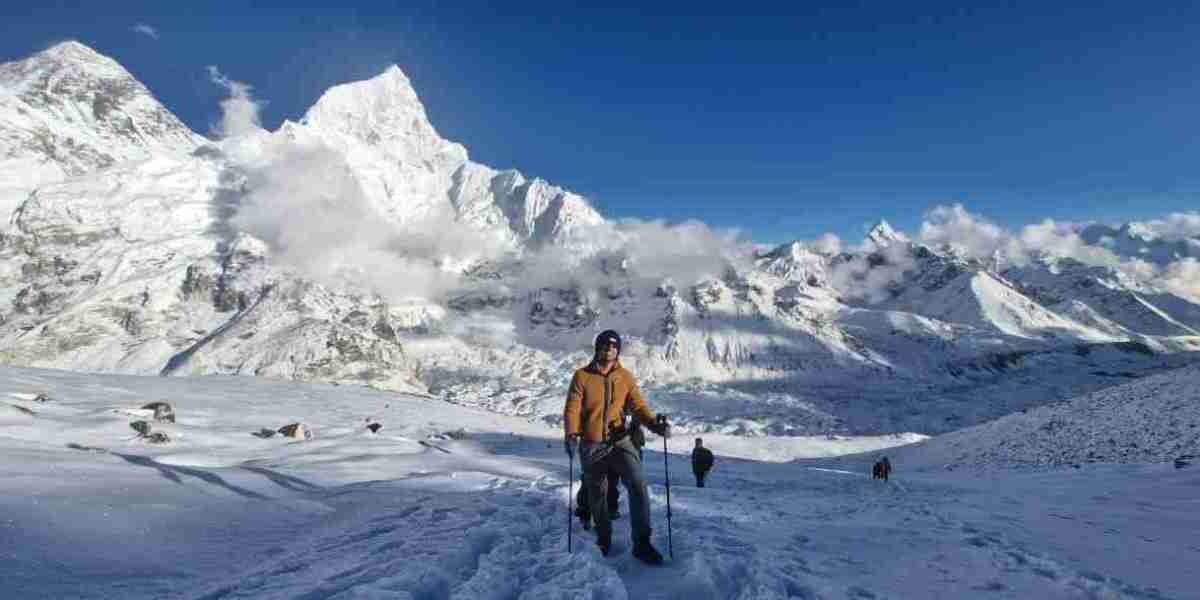
Carrying less makes the climb toward Everest Base Camp feel easier, even when trails stretch on for hours. Up there, paths rise sharply, air gets thin, leaving heavy loads harder to manage mile after mile. Still, cutting weight means thinking hard about what stays and what goes - missing essentials can turn risky fast.
Weight and Safety in Balance
Heavy packs slow you down high up near Everest base camp, yet tossing key supplies invites danger. When cold hits, proper layers make the difference - keep them close. Instead of chasing minimal weight, aim for smart loading. First aid stays nonnegotiable, just like shelter from sudden storms. Efficiency wins over extreme lightness every time. Being ready beats being fast when trails turn unpredictable. Pack only what serves a clear purpose on the path to base camp.
Removing Extra and Repeated Things
Start light by leaving behind things you already have at home. Some hikers carry two shirts when one works fine through the week. Washing clothes on the trail up near Everest means less reason to bring spares. A jacket that blocks wind also keeps rain off, cutting down what fits in your bag.
Select Light and Useful Equipment
Out on the trail, today’s gear focuses on lightness without giving up strength. Jackets that weigh next to nothing, sleeping bags small enough to fit in tight packs, yet warm when needed - these work well through the Everest trails. Because every ounce counts, choosing what performs best beats piling on extra material. Near Base Camp, where air thins and temperatures drop, a solid but slimmed-down kit keeps people steady, ready, unslowed by discomfort.
Multi-Purpose Clothes and Gear
Whatever you carry on a high-altitude trail must pull its own weight - literally. Outfits designed to stack mean fewer pieces stuffed into your pack. When winds shift near Everest, what works best isn’t more gear but smarter choices. Jackets that switch roles, fabric that dries fast, even gloves doubling as liners - all these trim bulk without sacrificing warmth.
Lighter meals that keep energy levels steady
Heavy packs often come from too much food. Though teahouses serve meals on the Everest trail, snacking between stops keeps strength up. Nuts, dried fruit, or energy bars pack more fuel per ounce. Moving fast here means eating well while staying light. Weight matters when every step takes effort.
Porters Help Share the Load
Most people hire porters when trekking around Everest - it keeps things safer—carrying heavy gear like spare clothes or sleeping bags? That falls to them instead. Travel light by handing off bulky stuff, yet stay fully prepared. Moving gets easier, energy stays higher, and the path feels less punishing. The trip to Base Camp turns smoother, step after steady step.
Avoid Packing Extra Just in Case
Heavy packs often come from fear, not need - extra things tucked in for safety but never touched. Up near Everest, every ounce counts more than expected. Along the trail, shelter and supplies show up when needed. Rely on what towns provide, pack only what days demand. Dropping backup-for-the-backup pieces cuts bulk fast. Lighter bags start with saying no to worry-driven choices.
Improving how electronics and digital devices work
Heavy gadgets pile up fast when no one's watching. A phone, a light for the cap, something to snap pictures - that covers it for most hikers. Up near Everest’s trails, less tech means lighter packs plus fewer plugs needed each night. Swap clunky battery stacks for slim portable chargers, stay powered without the bulk tagging along.
Compression Systems Improve Packing Efficiency
When you squish clothes into compression sacks, everything fits tighter inside your pack. Stuff slides less when the load stays tight through rough trails above treeline. Packing cubes keep socks separate from rain shells - neat but never fussy. A snug bundle means fewer shifts on steep climbs near ridgelines. Essentials sit where you left them, even after hours of uphill motion.
Maintaining Safety While Reducing Weight
Heavy loads sometimes tempt cutbacks, yet safety wins every time. Warm clothes stay packed, along with covers for sudden downpours. A kit for injuries? Never left behind. High trails near Everest shift fast when clouds roll in. Gear stays ready, even as pack weight drops. Being light matters less than staying safe when storms hit.
Smart Weight Reduction for a Safer Trek
Start light if you want to move freely up high. Every gram counts when walking long days through thin air near Everest Base Camp. Instead of skipping must-haves, pick smarter options that do the job better. On rugged trails, less bulk means stronger legs and calmer breath by afternoon. Choose tools that weigh little but work hard - like jackets that pack small yet block wind. A lighter load often brings sharper focus, deeper rest each night under cold stars.