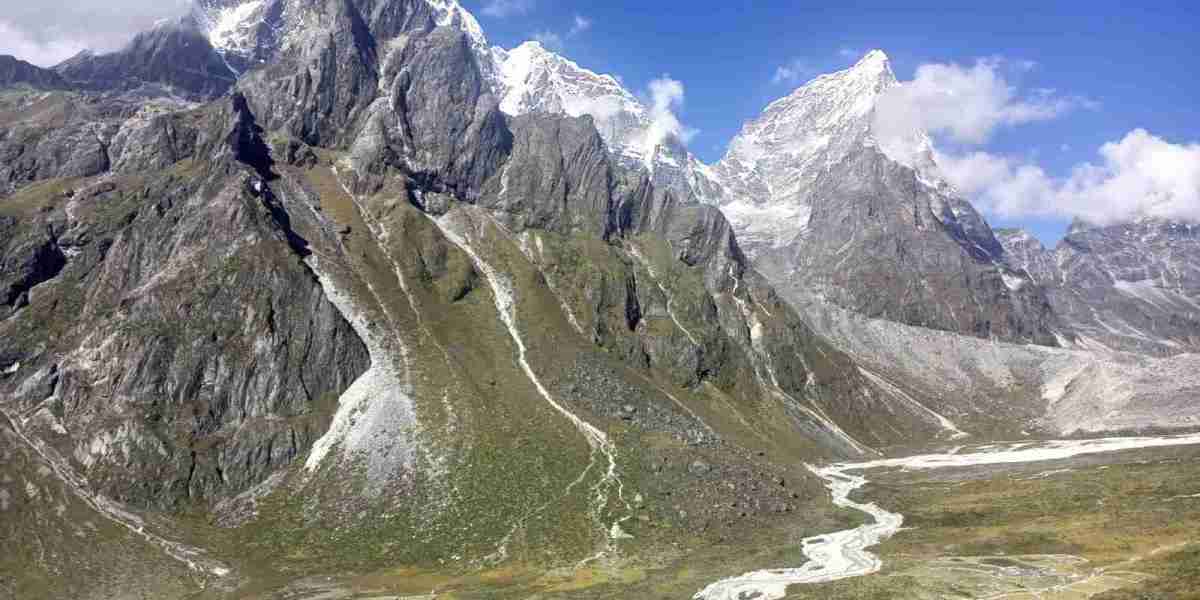
Skipping breaks during tough mountain hikes isn't cutting corners - those pauses save lives when routes get steep. Thin air up high means less oxygen, freezing weather, and harder breathing. Crossing brutal paths like Larkya La or Thorong La pushes muscles past their edge. Bodies need time to adjust slowly, else sickness creeps in fast. Rest stops cut down on dizziness, headaches, and weakness. Smart hikers build downtime into plans because strength grows only when paired with a pause. Toughness shows not by rushing through, but by holding back at the right moment.
Altitude Changes and Body Effects on Mountain Passes
Up top, where air thins out fast, breathing feels different without warning. Your system shifts in ways that quietly drain stamina overnight. Simple walking might leave you spent by midday instead. Less oxygen reaches blood cells, so routine effort turns heavy quickly. Rest stops matter more when crossing several ridges back to back. A pounding head or sudden queasiness could mean trouble starting. Dizziness often tags along if elevation starts winning. Never brush off sickness signals just because views seem worth it. Nowadays, trekking leans toward gradual climbs, also building in planned breaks that let the body adjust. Watch how altitude affects you - this awareness shapes better rest choices, keeps effort within safer edges on tough Himalayan routes.
When to Plan Recovery Days
Resting at the right moments shapes how well you handle the trail. Take Cho La Pass - many who head there stop first in local villages to rebuild energy slowly. Some popular hiking routes suggest building in extra time, just in case storms slow things down or your body needs a break. By leaving room to adjust, you stay ready - both strong on the trail and steady in mind when climbs get tough.
Selecting Suitable Spots for Rest Breaks
Rest feels better when you pick spots that suit how your body adjusts. Villages at mid-level heights tend to work well - places where beds are decent, and meals are easy to find. Spots such as Samagaon or Manang give space to unwind while still letting movement happen. Instead of staying put, nearby trails invite gentle climbs by day, descent by night - a rhythm many follow to adapt smoothly. When rest includes small hikes upward during daylight, the downtime does more than pause effort.
What To Do On Rest Days For Easier Adjustment
Some rest days still include movement, just gentler forms of it. Instead of sitting around, try brief walks in nature or slow mobility drills that keep circulation going. Heading upward by foot during daylight - then stepping back down to rest at night - trains the system gradually. Dropping to a lower spot for sleep after pushing higher builds resilience without overload. Adjusting this way lets breathing rhythms catch up naturally. Some popular ways to stay fit for mountain hikes now involve yoga, which helps with breath control, along with sharper thinking. Moving through slow exercises supports mobility without pushing too hard after tough climbs over steep trails.
Nutrition and Hydration While Recovering
Most healing happens when the body rests, especially after tough climbs. Because mountains push your body harder, you need more fuel - meals full of grains and lean proteins do well here. Fluids keep things moving inside, helping deliver oxygen while lowering the chances of headaches or dizziness. Things like steaming broths, mild plant-based drinks, and familiar dishes such as lentil rice offer steady power throughout the day. Out on the trail, keeping salts in check matters just as much as packing light fuel foods. When meals and water flow steadily, strength stays ready for steep climbs ahead.
Knowing When to Take More Time to Heal
Your body sends signals; pay attention during mountain hikes. Schedules offer structure, yet each person reacts differently to thin air. Headaches that won't fade, no desire to eat, deep tiredness - these mean pause, rest longer if needed. Pushing past those cues risks dangerous issues: fluid in the lungs or swelling in the brain. Smart hiking now means bending plans, not sticking hard to timelines, putting well-being first always.
Balancing Trekking Pace with Recovery Days
When effort crosses the line, tiredness builds fast, weakening downtime benefits. A consistent tempo on trails cuts down extra rest needs, keeping things safe along the way. Starting slow helps you match today's eco-friendly hiking trends, making the trip easier on your body while keeping it fun. Resting just as much as moving turns out to matter when tackling steep mountain crossings safely.
Planning Recovery Days Effectively: Final Thoughts
Rest breaks between tough mountain climbs matter more than most think. How your body handles thin air shapes where you should stop to recover. Picking campsites wisely supports healing after long uphill stretches. Food choices fuel repair just as much as strong legs do. Some trekkers now adjust schedules on the fly, instead of sticking rigidly to plans. Slower movement saves energy better than pushing through fatigue. Moving gently - like short walks - helps blood flow without strain. Tuning into physical signals prevents serious setbacks later. Passes feel less daunting when exhaustion doesn't pile up. Views across the Himalayan peaks stay vivid when focus stays sharp.