


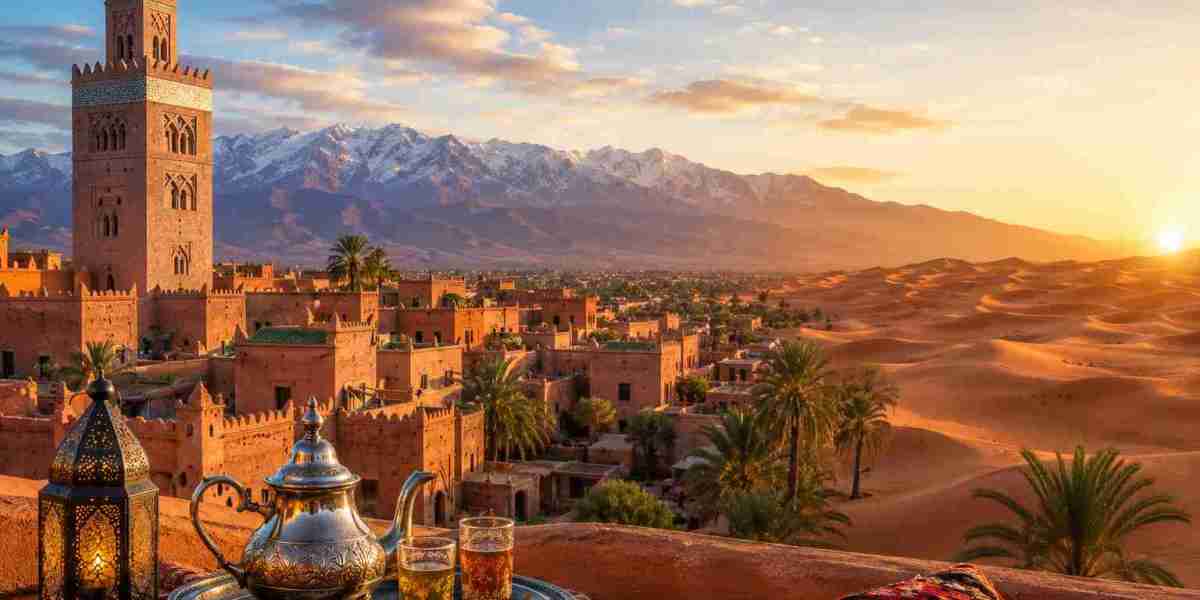
Why a Trip to Morocco Should Be on Your Travel List
A trip to Morocco offers something many destinations fail to deliver, which is a genuine sense of adventure mixed with culture, comfort, and unforgettable scenery. Morocco is one of those rare places where every city feels completely different from the last. One morning you may be walking through the colorful souks of Marrakech, and by the next evening, you could be watching the sunset over the Sahara Desert. That contrast is exactly what makes Morocco so addictive for travelers. Many people book a short trip and later regret not staying longer because the country has a way of pulling you deeper into its rhythm.
What Makes Morocco Such a Unique Travel Destination?
Morocco stands out because it combines African energy, Arab heritage, Berber traditions, and European influence in one destination. Very few countries can offer bustling ancient medinas, luxury riads, mountain villages, Atlantic beaches, and endless desert landscapes in a single itinerary. A trip to Morocco is not just sightseeing. It is sensory immersion. The smell of spices in local markets, the sound of traditional music in hidden alleys, and the warmth of Moroccan hospitality create an experience that feels deeply authentic. Travelers often expect beautiful architecture, but they are surprised by how emotionally memorable the country becomes.
A Country of Contrasts
One of Morocco’s greatest strengths is variety. Marrakech feels vibrant and energetic, while Chefchaouen offers peace and mountain charm. Fes feels historic and intense, while Essaouira feels breezy and relaxed. Casablanca presents a modern urban face, while Merzouga introduces travelers to timeless desert life. This constant contrast keeps every day interesting.
When Is the Best Time to Plan a Trip to Morocco?
Timing can completely shape your experience. Spring, especially from March to May, is often considered the ideal season because temperatures remain comfortable for city exploration and desert excursions. Autumn, from September to November, offers similarly pleasant conditions. Summer can still work, but inland cities like Marrakech become extremely hot, which can reduce comfort if you plan long walking days. Coastal destinations remain cooler during this period. Winter can actually be a smart choice for budget travelers because prices often drop, tourist crowds become smaller, and daytime temperatures remain manageable, though desert nights become surprisingly cold. Choosing the right season depends on whether your focus is sightseeing, hiking, beach relaxation, or desert adventure.
How Many Days Do You Need for a Trip to Morocco?
A rushed Morocco trip often creates frustration instead of enjoyment. While some travelers attempt four or five days, seven to ten days usually creates a far better experience. In one week, you can comfortably explore Marrakech, Fes, and the Sahara. Ten days gives enough breathing room to include Chefchaouen or Essaouira. Two weeks allows a deeper, slower experience that feels far more rewarding. One common mistake first-time visitors make is assuming Morocco is small and easy to cross quickly. Travel distances can be longer than expected, especially when moving between major cities and desert regions. Giving yourself enough time makes the trip dramatically better.
Ideal First-Time Itinerary
A balanced route for first-time visitors often begins in Casablanca, continues to Fes, moves toward the Sahara Desert, then ends in Marrakech. This route delivers history, adventure, culture, and iconic scenery without overwhelming the traveler.
Is the Sahara Desert Really Worth Visiting?
For many travelers, the Sahara becomes the emotional highlight of the entire trip. The journey there can be long, but the payoff is extraordinary. Riding camels across golden dunes during sunset feels cinematic, yet somehow still authentic. Spending a night in a desert camp under clear stars creates the kind of memory people talk about for years. Premium camps provide comfortable tents, quality meals, and private setups, while budget options offer simpler but still memorable experiences. The desert is not simply an activity. It becomes a defining chapter of your Moroccan adventure.
Which Moroccan Cities Should You Visit?
Marrakech remains the most famous destination for good reason. Its souks, palaces, gardens, and vibrant street life make it unforgettable. Fes offers a deeper historical atmosphere, especially for travelers interested in traditional culture and ancient architecture. Chefchaouen attracts photographers and those seeking a calmer pace with its iconic blue streets. Essaouira provides a refreshing coastal escape with seafood, ocean views, and a laid-back atmosphere. Casablanca works well as a transport hub, though many travelers spend less time there compared to other destinations. If your goal is balance, combining cities with different personalities creates the strongest itinerary.
Is Morocco Safe for Tourists?
Safety is one of the most common concerns for first-time visitors, and overall, Morocco remains a safe destination for tourists who use standard travel awareness. Busy tourist zones may involve petty scams, unofficial guides, or aggressive sellers, but serious issues are uncommon for prepared travelers. Solo travelers, including women, regularly explore Morocco successfully with proper caution. Dressing respectfully, avoiding isolated areas late at night, and confirming taxi prices in advance are smart habits. Confidence matters. Travelers who stay calm and aware usually have smooth experiences.
Common Tourist Challenges
Getting lost in medinas happens often. Taxi misunderstandings are common. Overpriced tourist purchases can happen. These issues are usually inconveniences rather than genuine dangers.
What Food Should You Try During a Trip to Morocco?
Moroccan cuisine deserves a major place in your travel plans. Tagine remains the national favorite, offering slow-cooked meat, vegetables, and rich spice combinations. Couscous is another classic, especially on Fridays. Harira soup provides comfort during cooler evenings. Pastilla surprises many travelers with its unusual sweet and savory balance. Street food can be excellent when chosen carefully, and local bakeries often deliver hidden gems at low prices. Fresh orange juice becomes almost impossible to resist. Mint tea quickly transforms from a curiosity into a daily ritual. Food in Morocco is not just nourishment. It becomes part of cultural discovery.
Should You Travel Independently or Book a Tour?
Independent travel works well for confident travelers who enjoy logistics and flexibility. However, Morocco can become exhausting if every transport detail becomes your responsibility. Organized tours simplify desert access, city transfers, and itinerary management. Private tours especially appeal to couples, families, or travelers seeking comfort and efficiency. Budget-conscious visitors often combine both styles by exploring cities independently while booking guided desert trips. Neither approach is universally better. The right choice depends entirely on your travel style.
What Should You Pack for Morocco?
Packing smart improves comfort dramatically. Comfortable walking shoes matter because medina exploration involves significant walking. Lightweight clothing works well, but layering helps because mornings and evenings can become cool. Sunscreen is essential, especially for desert travel. A scarf becomes useful for both weather and cultural comfort. Portable chargers help during long transit days. Cash remains practical in smaller towns where cards may not always work. Overpacking becomes a mistake because frequent movement between cities makes mobility important.
Final Thoughts on Planning a Trip to Morocco
A trip to Morocco is not a predictable, polished vacation where everything feels controlled. That unpredictability is exactly what makes it memorable. You may get lost in a medina. You may change your itinerary halfway through. You may discover your favorite experience was something you never planned at all. Morocco rewards curiosity, patience, and openness. The country does not simply offer sightseeing. It offers stories, emotions, and moments that stay with you long after returning home. If you want a destination that feels alive, surprising, and genuinely unforgettable, Morocco deserves a place at the top of your list.



