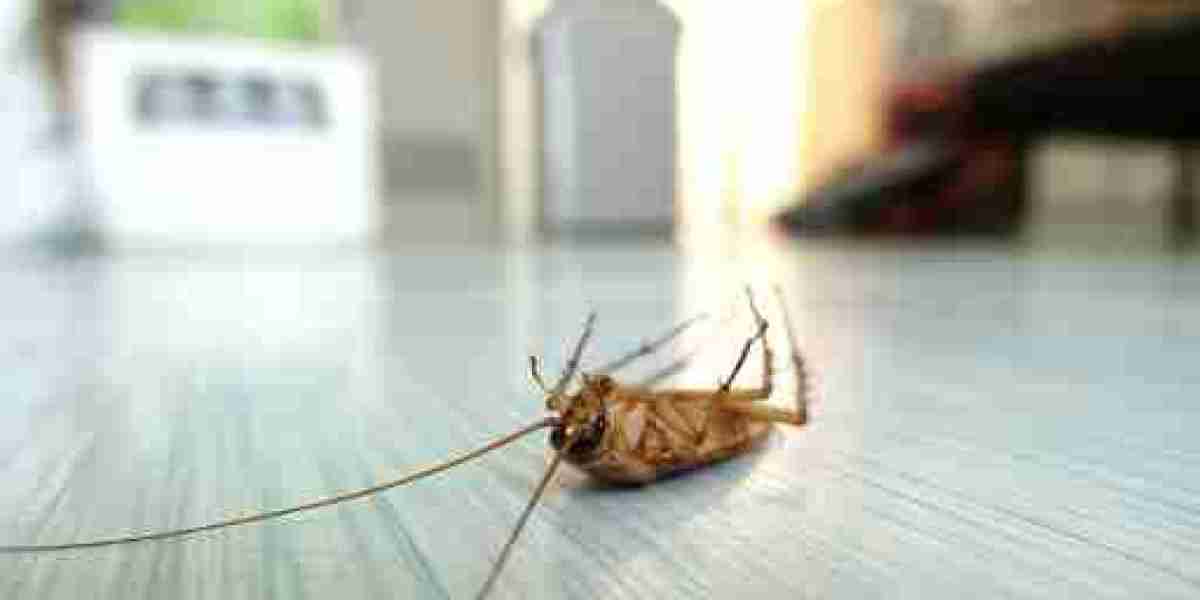
Nobody sees the beginning of an infestation. That is the problem. By the time most homeowners realize something is wrong — a gnawed food packet, a strange smell, a fleeting shadow near the baseboard — the situation inside the walls is already far beyond what it appears on the surface.
What feels like a sudden discovery is almost never sudden at all. Infestations follow a pattern. They have a beginning, a growth phase, and an escalation point. Understanding that pattern is the first step toward breaking it — and it is exactly what separates homeowners who resolve the problem permanently from those who deal with it again and again. Whether you are facing a first-time issue or a recurring one, working with professional pest control services is what changes the outcome for good.
This article walks you through exactly how infestations begin, why they grow so fast, and what has to happen to stop them at the root rather than just at the surface.
It Really Does Start With Just One
The idea that a pest problem begins with a single creature sounds almost too simple. But it is accurate. Every infestation — whether rodents, cockroaches, termites, ants, or bed bugs — starts with a scout. One individual finds an entry point, detects food or warmth or moisture, and determines that your home is a viable habitat.
What happens next depends entirely on the species. But the outcome is almost always the same: that one becomes many, and many becomes a colony.
How Pests Find Your Home in the First Place
Pests do not wander in randomly. They are driven by very specific environmental signals:
- Warmth — especially during seasonal shifts when outdoor temperatures become extreme, pests seek regulated indoor environments
- Moisture — leaky pipes, poor ventilation, and damp crawl spaces are among the most powerful attractants for a wide range of pest species
- Food sources — unsealed pantries, pet food left out, crumbs along baseboards, and even cardboard packaging are enough to sustain an entire colony
- Structural gaps — cracks in the foundation, gaps around utility lines, deteriorating weather stripping, and unscreened vents are open invitations
Once a pest locates even one of these conditions inside your home, the signal goes out. For social insects like ants and termites, that signal is a pheromone trail that guides the rest of the colony directly to the source. For rodents, it is the return of a scout that then brings others. The clock starts the moment that first entry is made.
The Silent Growth Phase Nobody Talks About
The most dangerous period of any infestation is not when you discover it. It is the weeks or months before you discover it — when pests are establishing themselves in the dark, undisturbed spaces of your home and reproducing at a rate most homeowners would find alarming.
How Fast an Infestation Can Grow
- A single female cockroach can produce up to 300 offspring in her lifetime. A small group that enters your home in spring can become hundreds by summer
- A pair of mice can multiply into a colony of 50 or more within just a few months, nesting in wall cavities and attic insulation
- A termite colony can contain hundreds of thousands of individuals and consume wood silently for years before visible damage appears
- Bed bugs double their population roughly every 16 days under favorable conditions, spreading from one room to an entire home with ease
During this silent phase, pests are not just reproducing. They are also causing damage. Wiring is being chewed. Wood is being hollowed. Insulation is being contaminated. Food sources are being reached. All of this happens in spaces you rarely see, behind surfaces that look completely normal from the outside.
The Escalation Point — When the Problem Becomes Visible
There comes a moment in every infestation when the population density gets high enough that pests begin appearing in visible spaces. A cockroach spotted in the kitchen during daylight hours. Droppings found near the pantry. A rodent seen crossing the floor. Mud tubes along the foundation wall.
These visible signs feel like the beginning of the problem. They are actually the middle of it — or in severe cases, closer to the end of a long growth phase that has already done considerable damage.
What You Are Actually Seeing When You Spot a Pest
- Daytime cockroach sightings indicate the population has grown large enough that competition for resources is pushing individuals into open spaces they would normally avoid
- A single rodent in a visible area typically means dozens more are active in walls, ceilings, and crawl spaces around it
- One line of ants represents a trail connected to a colony that may contain thousands of workers
- Visible termite damage means the colony has been present and active for a significant amount of time — what you see is never the full picture
Understanding this is critical because it determines the urgency of your response. The visible sign is not the problem. It is the signal that the real problem — already well-established — needs immediate professional attention.
Why the Infestation Survives Every DIY Attempt
Most homeowners respond to the first visible sign with a trip to the hardware store. Spray cans, bait traps, glue boards, and powder treatments are applied to the areas where pests were seen. For a day or two, it may seem to work. Then the problem returns — often worse than before.
This cycle is not a coincidence. It is the predictable result of treating the symptom without addressing the cause:
- Surface sprays kill exposed individuals but do not reach the colony hidden deep in wall cavities, subfloors, or attic spaces
- Bait traps may catch a portion of a population but leave the breeding core untouched and the entry points wide open
- Repellent products can push pests from one area of the home to another without reducing the overall population
- No exclusion work means new pests continue entering through the same gaps and cracks that allowed the original colony in
The infestation does not disappear. It relocates, waits, and returns. Every failed DIY attempt gives the colony more time to grow and more opportunity to cause damage that compounds silently.
What a Professional Exterminator Does Differently
The Inspection Changes Everything
A professional exterminator does not begin with treatment. They begin with a comprehensive inspection — one that maps the full extent of the infestation, identifies every entry point, and traces the pest activity to its source. This step alone reveals things that no amount of surface-level DIY work ever could.
Treatment Targets the Colony, Not Just the Visible Pest
Professional treatment is designed to reach the places pests actually live — not just the places they occasionally appear. Whether that means treating wall voids, applying targeted baiting systems, or using products that pests carry back to the colony, the approach is built around elimination at the source.
Exclusion Seals the Story
The step that makes professional treatment permanent is exclusion — the physical sealing of every identified entry point using materials pests cannot chew through or squeeze past. Without this step, a new population will simply re-enter through the same gaps and the cycle begins again. A qualified exterminator does not consider the job complete until the home is sealed against future entry.
Follow-Up Confirms the Outcome
Professional pest control does not end when the technician leaves. Follow-up visits verify that treatment was effective, check for any new activity, and address anything that may have been missed in the initial visit. This accountability is something no store-bought product can offer.
Breaking the Cycle Before It Starts
The most cost-effective form of pest control is prevention. Once an active infestation has been professionally resolved, these habits dramatically reduce the risk of a new one taking hold:
- Inspect and seal gaps around pipes, vents, utility lines, and the foundation at least once a year
- Eliminate moisture by repairing leaks promptly, improving drainage, and ventilating crawl spaces and attics
- Store all food including pet food, in airtight containers and clean up spills and crumbs immediately
- Reduce clutter in garages, basements, and storage areas where pests establish undisturbed nesting sites
- Schedule annual inspections to catch vulnerabilities before they become entry points and entry points before they become infestations
Prevention does not require constant vigilance. It requires a few deliberate habits maintained consistently. The homes that never develop serious pest problems are not lucky — they are proactive.
One Became Many. Many Does Not Have to Become Permanent.
Every infestation in existence started the same way: one pest found an opening, and nothing stopped what came next. The pattern is predictable. But so is the solution.
Professional extermination — thorough, targeted, and followed through with proper exclusion — is the only approach that breaks the cycle rather than just interrupting it. The longer the problem is left to develop, the more embedded it becomes and the more it costs to resolve.
The first sign you notice is not the beginning. It is the signal. When that signal appears, the most important thing you can do is act on it immediately — with the right help, the right process, and the commitment to solving it once instead of repeatedly.
Because the one that started it all is never truly alone. And the walls are never as empty as they look.