Preparing for weight loss surgery involves more than scheduling the procedure. Before undergoing sleeve gastrectomy, patients need a detailed medical assessment to determine whether surgery is appropriate and to identify any health concerns that could affect anesthesia, surgery, or recovery. Proper pre-operative testing helps the surgical team create a safer and more personalized treatment plan.
For patients considering Sleeve Gastrectomy in Islamabad, understanding the tests required before surgery can make the process less stressful and help them prepare properly. The exact investigations may vary depending on age, medical history, BMI, medications, and existing health conditions.
Why Are Pre-Operative Tests Important?
Pre-operative investigations provide the surgeon and medical team with a clear picture of your overall health. They can identify conditions that may need treatment or optimization before surgery.
- Assess overall health: Tests help determine whether you are medically prepared for surgery.
- Identify potential risks: Certain conditions can increase the risks associated with anesthesia or surgery.
- Evaluate organ function: Blood tests and other investigations can assess important organs such as the liver and kidneys.
- Plan anesthesia safely: Anesthesiologists need relevant medical information before administering general anesthesia.
- Establish baseline results: Pre-surgery results can be useful for comparison during follow-up.
What Is Sleeve Gastrectomy?
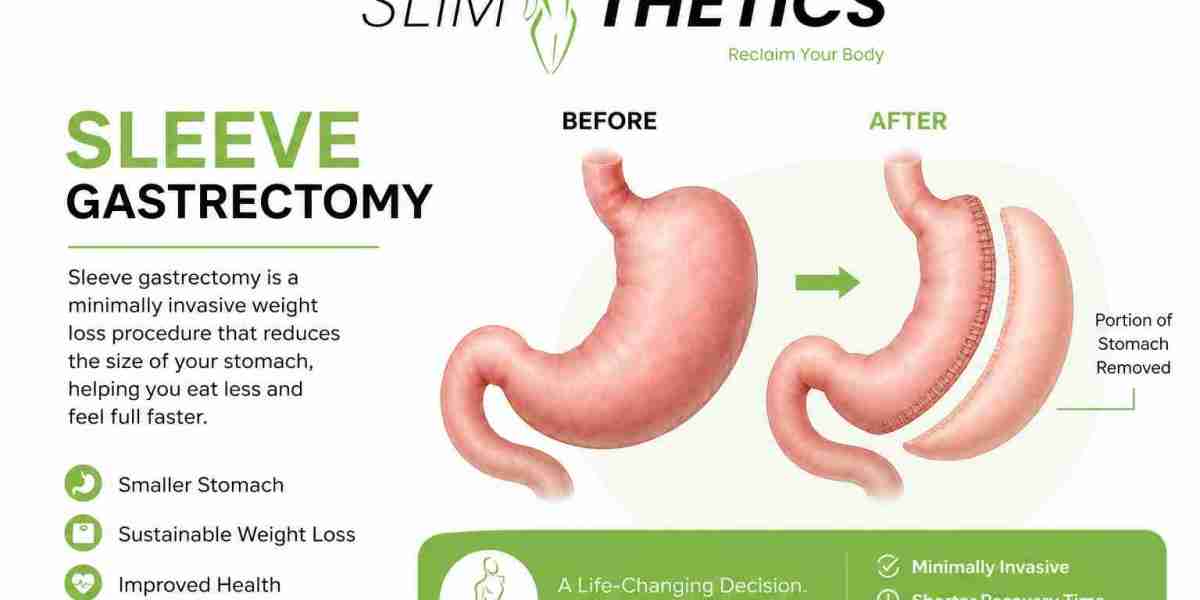
Sleeve gastrectomy is a bariatric surgical procedure designed to help people with obesity achieve significant and sustainable weight loss. During the operation, a substantial portion of the stomach is removed, leaving a smaller, sleeve-shaped stomach.
- Reduced stomach capacity: The smaller stomach allows patients to feel full after eating smaller portions.
- Weight loss support: Reduced food intake can contribute to substantial weight loss when combined with healthy lifestyle changes.
- Hormonal effects: The procedure can also influence hunger-related hormones, particularly ghrelin.
- Lifestyle remains important: Surgery is a tool for weight management rather than a replacement for healthy eating and physical activity.
Common Tests Before Sleeve Gastrectomy
The pre-operative evaluation generally involves several investigations. Your surgeon may recommend additional tests depending on your individual circumstances.
Complete Blood Count
A complete blood count, commonly called a CBC, provides information about red blood cells, white blood cells, and platelets.
- It can help identify anemia before surgery.
- It may provide clues about infection or inflammation.
- Platelet levels can provide useful information about blood clotting.
- Treating significant abnormalities before surgery can improve surgical preparedness.
Blood Glucose and Diabetes Testing
Blood sugar evaluation is particularly important for patients who have diabetes, prediabetes, or risk factors for metabolic disease.
- Fasting blood glucose may be checked.
- HbA1c can provide information about average blood glucose levels over the previous several months.
- Poorly controlled diabetes may require optimization before surgery.
- Better glucose control can support wound healing and recovery.
Kidney Function Tests
Kidney function may be evaluated through blood tests such as creatinine and other relevant measurements.
- Helps assess kidney function before anesthesia and surgery.
- Provides information that may influence medication choices.
- Can identify previously undiagnosed kidney problems.
- Results can help the medical team plan perioperative care.
Liver Function Tests
Obesity can be associated with fatty liver disease and other liver-related conditions. Liver function testing may therefore be included in the pre-operative assessment.
- Evaluates important liver enzymes and related markers.
- May identify abnormalities requiring further assessment.
- Can provide information about underlying fatty liver disease.
- Helps the medical team understand the patient's metabolic health.
Lipid Profile and Metabolic Assessment
A lipid profile measures substances such as cholesterol and triglycerides. These results can provide additional information about cardiovascular and metabolic health.
- Helps identify high cholesterol or elevated triglycerides.
- Provides insight into cardiovascular risk factors.
- May be particularly relevant for patients with obesity-related metabolic conditions.
- Can help establish a baseline for monitoring health improvements after weight loss.
Electrocardiogram (ECG)
An ECG records the electrical activity of the heart. Depending on the patient's age, health history, symptoms, and surgical assessment, an ECG may be recommended before bariatric surgery.
- Evaluates heart rhythm.
- Can identify certain electrical abnormalities.
- Helps assess cardiovascular readiness for surgery.
- Additional cardiac evaluation may be recommended if abnormalities or risk factors are identified.
Chest Evaluation
A chest X-ray or other respiratory evaluation may be recommended in selected patients, particularly when there is a relevant respiratory history or clinical indication.
- Helps assess certain lung or chest conditions.
- May be considered for patients with respiratory symptoms.
- Can be particularly relevant in people with obesity-related breathing problems.
- The need for imaging depends on the patient's individual assessment.
Upper Gastrointestinal Evaluation
Some patients may require an upper gastrointestinal evaluation before sleeve gastrectomy. This can include an upper endoscopy when clinically indicated.
Why Might an Endoscopy Be Recommended?
An endoscopy allows a specialist to examine the upper digestive tract using a flexible camera.
- It may identify gastritis or ulcers.
- It can detect certain abnormalities of the stomach or esophagus.
- It may be useful when a patient has significant reflux or other digestive symptoms.
- Findings can influence the choice or timing of bariatric treatment.
Not every patient necessarily requires the same gastrointestinal investigations. Your bariatric surgeon will determine which assessments are appropriate.
Nutritional and Vitamin Testing
Nutritional deficiencies can occur in people with obesity and may need to be addressed before bariatric surgery.
- Iron levels: Important for identifying or evaluating iron deficiency.
- Vitamin B12: May be checked as part of nutritional assessment.
- Vitamin D: Deficiency is relatively common and may need correction.
- Folate: Can be evaluated when clinically appropriate.
- Protein and nutritional status: May also be considered during the overall assessment.
Correcting nutritional deficiencies before surgery can help support recovery and long-term nutritional management.
Pregnancy Testing for Women
For women who could be pregnant, a pregnancy test may be required before surgery depending on the clinical circumstances.
- Helps ensure appropriate surgical planning.
- Pregnancy can change the approach to elective surgery.
- Bariatric surgery generally requires careful pregnancy planning and counseling.
- Your medical team can provide individualized guidance regarding pregnancy and contraception.
Sleep Apnea Assessment
Obstructive sleep apnea is common among people with obesity and can affect anesthesia and post-operative breathing management.
Why Is Sleep Apnea Screening Important?
- Sleep apnea can increase perioperative respiratory risks.
- Patients may need additional anesthesia and monitoring considerations.
- A sleep study may be recommended when symptoms or risk factors are present.
- Existing CPAP treatment should be discussed with the surgical and anesthesia teams.
Psychological Evaluation
Bariatric surgery involves significant long-term lifestyle changes. Some patients may therefore undergo a psychological or behavioral assessment before surgery.
- Evaluates readiness for major lifestyle changes.
- Identifies eating behaviors that may affect long-term outcomes.
- Helps patients understand the emotional and behavioral aspects of weight management.
- Provides an opportunity to discuss expectations about surgery and weight loss.
A psychological assessment is not about judging a patient. Its purpose is to ensure that patients receive appropriate support before and after surgery.
Nutritional Consultation Before Surgery
A consultation with a bariatric dietitian can help patients understand how their eating habits will change following surgery.
What Can a Dietitian Explain?
- Pre-operative dietary preparation.
- Protein requirements.
- Portion control.
- Hydration strategies.
- Post-operative liquid and soft-food stages.
- Vitamin and mineral supplementation.
- Long-term healthy eating habits.
Following professional nutritional guidance can make the transition after surgery considerably easier.
Medical History and Medication Review
Testing is only one part of pre-operative preparation. Your surgeon and anesthesiologist will also review your medical history and medications.
- Inform your doctor about all prescription medicines.
- Mention over-the-counter medications and supplements.
- Discuss previous surgeries and anesthesia experiences.
- Provide information about allergies.
- Tell your medical team about conditions such as diabetes, hypertension, asthma, reflux, or heart disease.
Certain medications may need to be adjusted or temporarily stopped before surgery, but patients should never change prescribed medication without medical advice.
Additional Tests Based on Individual Health
Not every sleeve gastrectomy patient requires the same investigations. Additional assessments may be recommended based on medical history, symptoms, age, or test results.
- Echocardiogram: May be considered for selected patients with cardiovascular concerns.
- Pulmonary evaluation: May be appropriate for patients with significant respiratory problems.
- Abdominal ultrasound: Can help evaluate conditions such as gallbladder or liver abnormalities when indicated.
- Specialist consultation: Patients with significant medical conditions may require evaluation by another specialist.
- Additional blood tests: Your surgeon may request further investigations based on your individual needs.
How Long Before Surgery Should Tests Be Done?
The timing of pre-operative tests varies depending on the investigation and the patient's health status. Some results may remain useful for a certain period, while others may need to be repeated closer to the operation.
- Follow the testing schedule provided by your surgical team.
- Do not rely on old reports without confirming whether they are still acceptable.
- Complete requested investigations before the final surgical clearance.
- Inform your clinic if your health changes before surgery.
How to Prepare for Your Pre-Operative Assessment
Being prepared can make your consultation more efficient and ensure your medical team receives accurate information.
Bring Your Medical Information
- Previous medical reports.
- Current medication list.
- Details of previous surgeries.
- Allergy information.
- Relevant imaging and laboratory reports.
- Information about previous anesthesia complications, if any.
Be Honest With Your Medical Team
Providing accurate information is essential for safe surgical planning.
- Do not hide medical conditions.
- Mention smoking or tobacco use if applicable.
- Tell your doctor about sleep problems or severe snoring.
- Discuss previous weight-loss attempts.
- Explain any symptoms such as chest discomfort, breathing difficulties, severe reflux, or unusual bleeding.
What Happens After the Tests?
Once the investigations are completed, the bariatric team reviews the results and determines whether the patient is ready for surgery.
- Abnormal results may require further investigation.
- Existing conditions may need to be optimized.
- Nutritional deficiencies may need treatment.
- The anesthesia team assesses surgical and anesthesia-related risks.
- The surgeon discusses the final treatment plan with the patient.
The goal is not simply to complete a checklist of tests but to ensure that the patient is appropriately prepared for the procedure.
Benefits of Proper Pre-Operative Preparation
Thorough preparation can contribute to a safer and more organized surgical journey.
- Improved risk assessment: Potential concerns can be identified before surgery.
- Personalized treatment: Medical findings help doctors tailor care to individual needs.
- Better nutritional planning: Deficiencies can be addressed early.
- Anesthesia planning: Relevant medical information helps the anesthesia team prepare.
- Greater patient confidence: Understanding the process can reduce uncertainty before surgery.
Choosing a Bariatric Team in Islamabad
When considering sleeve gastrectomy, patients should look beyond the procedure itself and evaluate the overall quality of care offered by the bariatric team.
- Ask about the surgeon's bariatric surgery experience.
- Understand what pre-operative assessments are included.
- Confirm that anesthesia and surgical care are provided by qualified professionals.
- Ask about dietary counseling and post-operative follow-up.
- Discuss the expected recovery process and long-term weight management plan.
For people searching for Sleeve Gastrectomy in Islamabad, selecting a clinic that provides structured care from initial consultation through long-term follow-up can make the treatment journey more organized and patient-focused.
Final Thoughts
Pre-operative testing is an important part of preparing for sleeve gastrectomy. Blood tests, nutritional assessments, cardiac evaluation, respiratory screening, gastrointestinal investigations, and other assessments may be recommended depending on the patient's individual health. These evaluations allow the medical team to identify potential concerns and develop an appropriate surgical and recovery plan.
If you are considering sleeve gastrectomy, avoid choosing a procedure based solely on cost or expected weight loss. A comprehensive consultation, appropriate medical evaluation, experienced surgical team, nutritional guidance, and long-term follow-up are all important components of successful bariatric care.
At Slimthetics Clinic, patients considering bariatric treatment can receive a structured approach that begins with an individual assessment and appropriate pre-operative evaluation. The team focuses on helping patients understand their options, prepare for surgery, and develop sustainable lifestyle habits for their weight-management journey. If you are exploring Sleeve Gastrectomy in Islamabad, a professional consultation at Slimthetics Clinic can be the first step toward determining whether this procedure is suitable for your individual goals and health needs.