Introduction
Maintenance is easiest to overlook when equipment is doing its job. In a busy foodservice or retail operation, attention naturally goes to production, customer service, stocking, and cleaning. Yet dependable walk-in cold storage depends on small checks performed consistently. The goal is not to turn every shift into a repair session. It is to create a practical routine that keeps the equipment clean, makes changes in performance visible, and gives trained service personnel enough information to act before a minor issue becomes an expensive interruption.
This approach is particularly useful for stable temperatures, organized storage, and protection against avoidable energy and repair costs. Equipment operates under different loads from one location to another, so a maintenance plan should reflect actual use rather than a one-size-fits-all checklist. High traffic, frequent openings, heavy production, dust, humidity, or demanding service periods can all change how quickly cleaning and inspection tasks become necessary. The most reliable routine combines daily observation with deeper weekly and monthly checks.
Why Preventive Maintenance Matters
Preventive care protects more than the equipment itself. A well-maintained walk-in cold storage supports stable temperatures, organized storage, and protection against avoidable energy and repair costs. When a unit is neglected, the first sign may be a small change: longer recovery time, inconsistent output, a door that does not seal, more frost, unusual noise, residue around a component, or a temperature that moves away from its normal pattern. Catching these signs early gives an operation more choices. Staff can plan cleaning, adjust workflow, or schedule service instead of reacting in the middle of a rush.
Responsibility should be clear. A useful checklist names the task, frequency, and person or role responsible for completing it. It should also explain which observations require a manager or technician instead of asking frontline staff to perform repairs they are not trained to handle.
Another benefit is consistency between shifts. When the opening crew, daytime staff, and closing crew follow the same basic process, equipment does not depend on one experienced employee remembering every detail. A short written routine also helps managers identify whether a problem is new, recurring, or connected to a change in workload.
Daily Maintenance Routine
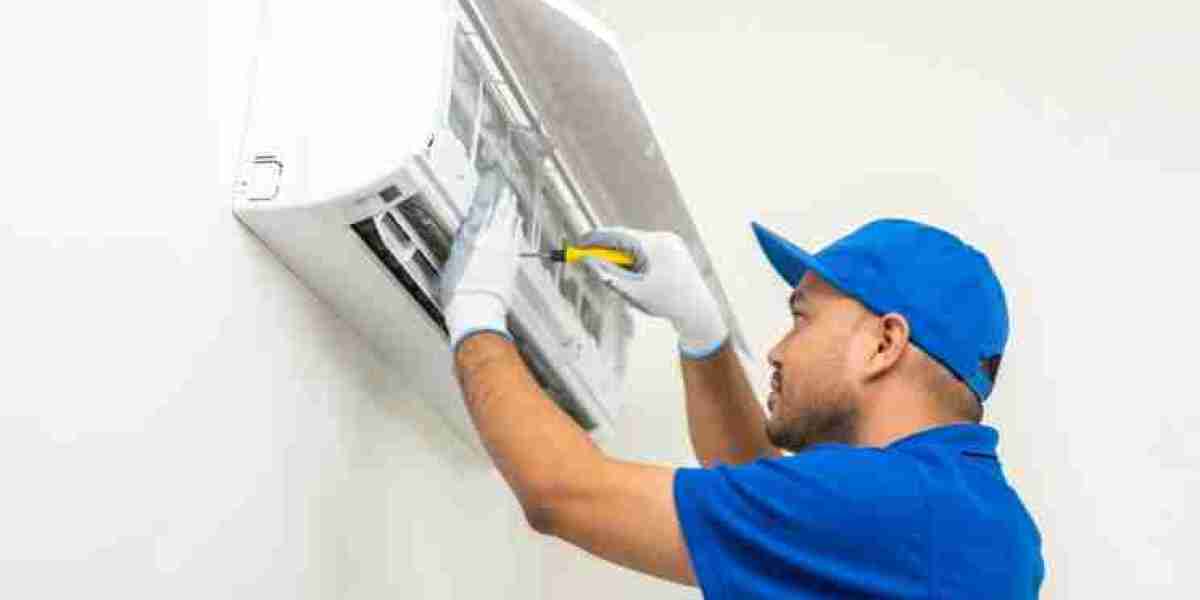
Look for water, frost, unusual condensation, damaged panels, loose hardware, or changes in temperature. A quick walk-through at opening and closing gives staff two opportunities to catch a developing issue.
Daily checks should be brief enough to happen every day. A useful sequence is to observe the equipment before loading or production begins, clean the accessible surfaces during normal sanitation, and perform a final inspection before closing. If the equipment has a display or other operating indicator, record unusual readings rather than assuming they will return to normal on their own. For reference, the product category described by walk-in refrigerators can be evaluated alongside the unit's own operating instructions and maintenance history.
Staff should also check the areas immediately around the machine. Door discipline is one of the simplest controls available. During deliveries, plan the sequence of movement so the door is not open longer than necessary. If staff repeatedly struggle with the door closer, latch, or gasket, the hardware should be inspected instead of being worked around indefinitely. This is important because equipment performance is influenced by its working environment as well as its internal components. Keeping the surrounding area orderly can improve airflow, simplify cleaning, and make service access safer.
Weekly Cleaning and Inspection
Clean floors, shelves, door surfaces, and accessible interior areas using methods appropriate for refrigerated storage. Remove spills promptly and keep drains clear of debris so routine moisture can move where it is designed to go.
Inspect the Parts That Affect Performance
Weekly maintenance is the point where routine cleaning becomes a more deliberate inspection. Remove accessible parts only when the equipment's instructions allow it, clean them with the appropriate method, and return them only after they are dry and correctly positioned. Look closely at seals, hinges, handles, shelves, trays, drains, ventilation openings, and other wear points.
Walk-in rooms are shared workspaces, so maintenance also depends on storage behavior. Keep racks stable, leave practical clearance around airflow paths, and avoid using the evaporator area as overflow storage. These habits make the room easier to clean and reduce avoidable airflow problems. If a component appears damaged, loose, cracked, or unusually worn, document it. A photograph or short written note can help a manager decide whether the issue can wait for scheduled service or needs faster attention.
Monthly Preventive Checks
Arrange qualified preventive service when the system shows repeated temperature swings, heavy frost, unusual cycling, persistent moisture, or a component that staff cannot safely inspect. Preventive attention is usually easier to schedule than emergency repair during peak operations.
Monthly checks should focus on trends and access points that are easy to miss during daily cleaning. Review temperature or performance records, inspect ventilation clearance, examine accessible condenser or airflow areas when permitted, and confirm that service panels and electrical areas are not being obstructed by storage. Do not open sealed systems or perform specialized repairs unless the task is appropriate for a qualified technician.
Maintenance intervals should be adjusted when operating conditions justify it. A unit used continuously in a warm, dusty, high-traffic environment may need more frequent cleaning than a lightly used unit in a controlled room. The record should make that decision easier by showing what has actually happened over time.
Cleaning Practices That Protect the Equipment
Cleaning should remove soil without creating a new equipment problem. Use the cleaning agents, dilution, tools, and contact time recommended for the surface and equipment. Avoid abrasive methods on finishes that can scratch, and keep excessive water away from electrical controls, sensors, displays, motors, and other areas that are not designed for direct washing.
Work from the cleanest practical areas toward dirtier ones and use clean tools when moving between product-contact and non-contact surfaces. For removable parts, a separate wash-and-dry step is often easier to control. Make sure parts are returned correctly because a shelf, tray, filter, guard, or gasket that is installed incorrectly can affect normal operation.
Do not confuse visible cleanliness with complete preventive care. A polished exterior can still hide a blocked airflow path, worn seal, drainage problem, or abnormal operating cycle. Cleaning and inspection should therefore be treated as two connected tasks.
Common Warning Signs to Catch Early
Heavy frost is not simply a cosmetic issue. It can reduce usable space and interfere with airflow, so recurring frost should be treated as a symptom that deserves investigation rather than repeatedly scraped away without finding the cause.
How to Respond Before Service Is Needed
Temperature drift should be investigated systematically. Confirm the reading, check whether the door has been left open, look for blocked airflow, inspect the gasket, and consider recent changes in loading or ambient conditions before assuming the compressor has failed.
When a warning sign appears, write down what happened and when. Note whether the issue is constant or intermittent, whether it started after cleaning or restocking, and whether other operating conditions changed. This information can prevent unnecessary trial-and-error adjustments and gives a technician a clearer starting point.
Some issues should not be handled as routine cleaning. Electrical faults, gas-related concerns, refrigerant-system work, damaged wiring, and other specialized repairs require appropriate expertise. Staff should know when to stop troubleshooting and escalate the issue.
Building a Maintenance Schedule Staff Will Follow
A practical schedule separates tasks by frequency. Daily items should take only a few minutes and focus on visible condition and normal operation. Weekly tasks can cover deeper cleaning and inspection. Monthly tasks can focus on records, ventilation, wear points, and preventive service. This structure avoids creating a checklist so long that employees skip it entirely.
Assign ownership by role rather than relying on a general instruction that 'someone' will handle maintenance. The checklist can include a completion date and a small space for notes. Managers can then review exceptions without requiring a long meeting about every piece of equipment.
Responsibility should be clear. A useful checklist names the task, frequency, and person or role responsible for completing it. It should also explain which observations require a manager or technician instead of asking frontline staff to perform repairs they are not trained to handle. The objective is repeatability: the same essential checks should happen even when the regular operator is off duty.
Maintenance Records and Service Decisions
Records are valuable because equipment problems are often gradual. A simple log can include the inspection date, displayed temperature or operating observation, cleaning completed, unusual symptoms, and service actions. Over several weeks, these entries create a baseline that is much more useful than memory.
If a service visit is needed, provide the technician with the maintenance history. Explain what changed, when it changed, how frequently it occurs, and what checks have already been completed. This can shorten the diagnostic process and reduce repeated work. When comparing equipment options or reviewing a product page, walk-in refrigerators is most useful when the specifications are considered together with the actual workload, space, and service plan.
Maintenance records can also support replacement decisions. If a unit repeatedly requires service despite appropriate cleaning and care, the operating cost and disruption may justify evaluating whether continued repair is the best option. That is a business decision supported by evidence rather than a reaction to a single bad day.
Staff Training and Safe Responsibilities
Training should focus on recognition and routine care. Employees do not need to become technicians, but they should understand what normal operation looks like, which areas they can safely clean, and which symptoms require escalation. Short demonstrations during onboarding or shift meetings can be more effective than a long manual that nobody opens.
Make safety boundaries explicit. Frontline staff should not bypass guards, open electrical compartments, interfere with sealed refrigeration circuits, or attempt gas-related repairs without the required training and authorization. A clear escalation process protects both the employee and the equipment.
Finally, encourage staff to report small changes without fear that every report will be treated as an emergency. Early reporting is useful precisely because it allows management to choose the right response.
Conclusion
Reliable walk-in cold storage is the result of routine attention rather than one large maintenance project. Daily cleaning and observation keep problems visible, weekly inspections address wear and buildup, and monthly reviews help identify trends before they become disruptive. The exact routine should always be adapted to the equipment manual, operating environment, workload, and service requirements.
When maintenance becomes part of normal operations, equipment is easier to understand and problems are easier to explain. Staff know what to check, managers have better records, and qualified technicians receive clearer information when service is needed. For equipment selection, maintenance planning, and commercial foodservice resources, visit The Horeca Store.