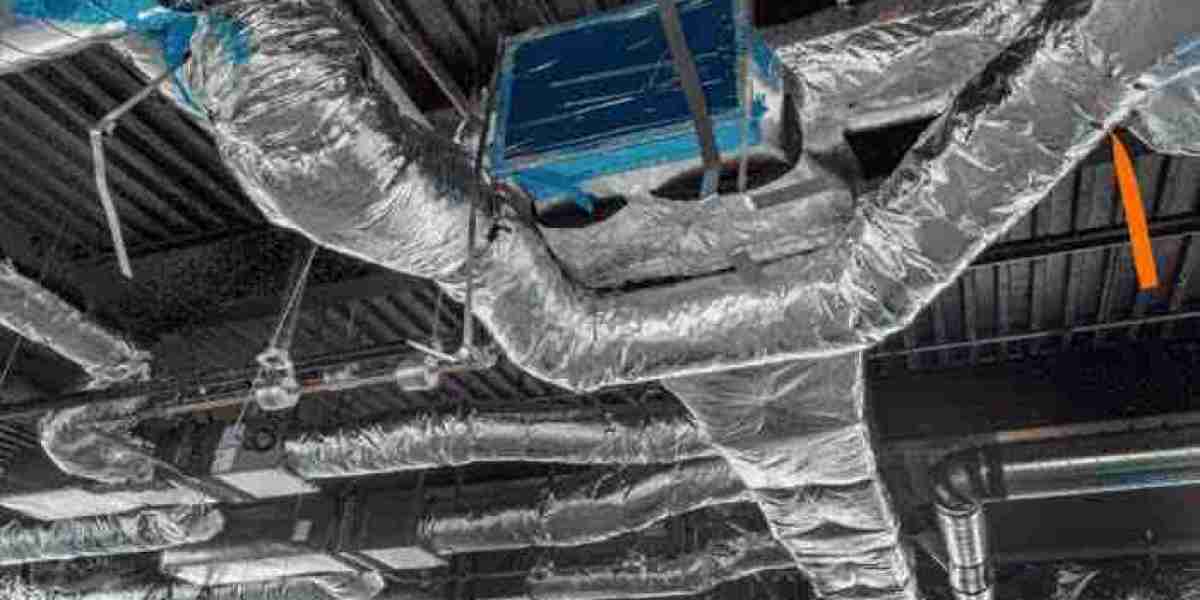
Duct insulation is an important part of an efficient heating, ventilation, and air conditioning (HVAC) system. Air ducts carry heated or cooled air throughout a building, but poorly insulated ducts can lose a significant amount of energy as air travels between the HVAC unit and different rooms. Proper duct insulation helps maintain air temperature, reduce energy waste, improve indoor comfort, and support better HVAC performance.
Whether you are managing a commercial building, upgrading a home, or installing a new HVAC system, understanding the benefits and applications of duct insulation can help you make better decisions about energy efficiency.
What Is Duct Insulation?
Duct insulation is a layer of insulating material installed around HVAC ductwork. Its primary purpose is to reduce heat transfer between the air inside the duct and the surrounding environment.
For example, during summer, an air conditioner produces cool air that travels through the duct system. If the ducts are located in a hot attic or another unconditioned area, uninsulated ducts can absorb heat from their surroundings. Similarly, heated air can lose warmth when ducts pass through cold spaces during winter.
By adding insulation, the temperature of the air inside the duct can be maintained more effectively until it reaches the intended room.
Why Is Duct Insulation Important?
A well-insulated duct system can provide several benefits for both residential and commercial properties.
1. Improved Energy Efficiency
One of the main reasons to install duct insulation is to reduce energy loss. When conditioned air maintains its temperature while traveling through the ductwork, the HVAC system does not need to work as hard to compensate for heat gain or heat loss.
This can contribute to lower energy consumption and potentially reduce heating and cooling costs.
2. Better Indoor Comfort
Uneven temperatures between rooms can sometimes be caused by poorly insulated or poorly sealed ductwork. Proper insulation helps conditioned air reach rooms at a more consistent temperature, improving overall comfort.
This is particularly useful in buildings where ducts run through attics, crawl spaces, garages, basements, or other areas with extreme temperatures.
3. Reduced Condensation
Cold duct surfaces can develop condensation when they come into contact with warm, humid air. Over time, moisture can contribute to problems such as corrosion, mold growth, and damage to surrounding materials.
Appropriate duct insulation helps keep the outer surface of the duct closer to the surrounding air temperature, reducing the likelihood of condensation under suitable installation conditions.
4. Noise Reduction
HVAC systems can generate sounds caused by airflow, vibration, and equipment operation. Some types of duct insulation can provide additional acoustic absorption, helping reduce the transmission of HVAC noise through the building.
This can be especially valuable in offices, schools, hospitals, hotels, and residential buildings where a quieter indoor environment is desirable.
Common Types of Duct Insulation
Different insulation materials are available for ductwork. The right choice depends on the building, duct location, temperature requirements, moisture conditions, fire-safety requirements, and local building codes.
Fiberglass Duct Insulation
Fiberglass is one of the commonly used insulation materials for HVAC duct systems. It offers thermal insulation and can also provide acoustic benefits.
Fiberglass insulation may be available in blankets, boards, or specially designed duct products. It is often selected because of its insulating performance and versatility.
Foam Insulation
Foam-based insulation products can provide effective thermal resistance while offering a relatively lightweight solution. Different foam materials have different temperature, moisture, and fire-performance characteristics, so the product should be selected according to the application.
Mineral Wool
Mineral wool is another insulation option that can provide thermal and acoustic performance. Certain mineral wool products also offer strong fire-resistance characteristics, making them suitable for applications where fire performance is an important consideration.
Where Should Ducts Be Insulated?
Not every duct has the same insulation requirements. Ducts located in conditioned spaces may have different needs from ducts running through unconditioned areas.
Common locations where duct insulation may be particularly important include:
- Attics
- Crawl spaces
- Garages
- Unheated basements
- Exterior areas
- Mechanical rooms
- Other unconditioned spaces
Ductwork carrying cooled air through hot and humid environments deserves particular attention because temperature differences can increase the risk of condensation.
Duct Insulation vs. Duct Sealing
Duct insulation and duct sealing solve different problems, although both are important for HVAC efficiency.
Duct insulation reduces heat transfer through the duct walls.
Duct sealing prevents conditioned air from escaping through joints, seams, connections, and other openings.
A duct system can have good insulation but still perform poorly if it has significant air leakage. For this reason, insulation and proper sealing should generally be considered together when improving duct performance.
How Proper Installation Makes a Difference
The performance of duct insulation depends not only on the material but also on installation quality. Gaps, compression, damaged insulation, or poorly treated joints can reduce the effectiveness of the insulation system.
During installation, contractors should follow the manufacturer's instructions and applicable building codes. The insulation should be properly fitted around the ductwork, while vapor-control requirements and mechanical protection should be considered where necessary.
Professional installation can help ensure that the insulation performs as intended over its service life.
Choosing the Right Duct Insulation
Several factors should be considered when selecting duct insulation.
Location
The environment surrounding the duct is one of the most important factors. Ducts in a hot attic may require a different solution from ducts located inside a conditioned building.
Insulation Performance
The required insulation level depends on the application and applicable energy codes. Choosing an appropriate insulation level can help balance energy performance, installation requirements, and project cost.
Moisture Conditions
In humid environments, moisture control becomes particularly important. The insulation system should be appropriate for the conditions and installed correctly to minimize condensation risks.
Fire and Safety Requirements
Different buildings and applications can have specific fire-performance requirements. Always check applicable local regulations and product specifications before selecting insulation.
Durability
Duct insulation should be durable enough for its environment. In areas where insulation may be exposed to physical damage, additional protection may be necessary.
Maintenance of Duct Insulation
Although duct insulation generally requires little routine maintenance, it should be inspected periodically, especially in commercial buildings or areas exposed to moisture and physical activity.
Look for:
- Damaged or missing insulation
- Moisture or condensation
- Loose insulation
- Exposed duct surfaces
- Damaged vapor barriers
- Gaps around joints and connections
Addressing problems early can help maintain HVAC efficiency and prevent more expensive repairs.
Conclusion
Duct insulation is a practical way to improve HVAC performance, reduce unwanted heat transfer, support indoor comfort, and minimize energy waste. It is particularly important when ductwork passes through unconditioned or temperature-extreme areas.
The best insulation solution depends on factors such as duct location, climate, moisture exposure, required thermal performance, fire-safety requirements, and local building regulations. Combining properly selected insulation with effective duct sealing and professional installation can help create a more efficient and reliable HVAC system.
For homeowners and building managers looking to improve heating and cooling efficiency, duct insulation is an important part of a well-designed HVAC system.