
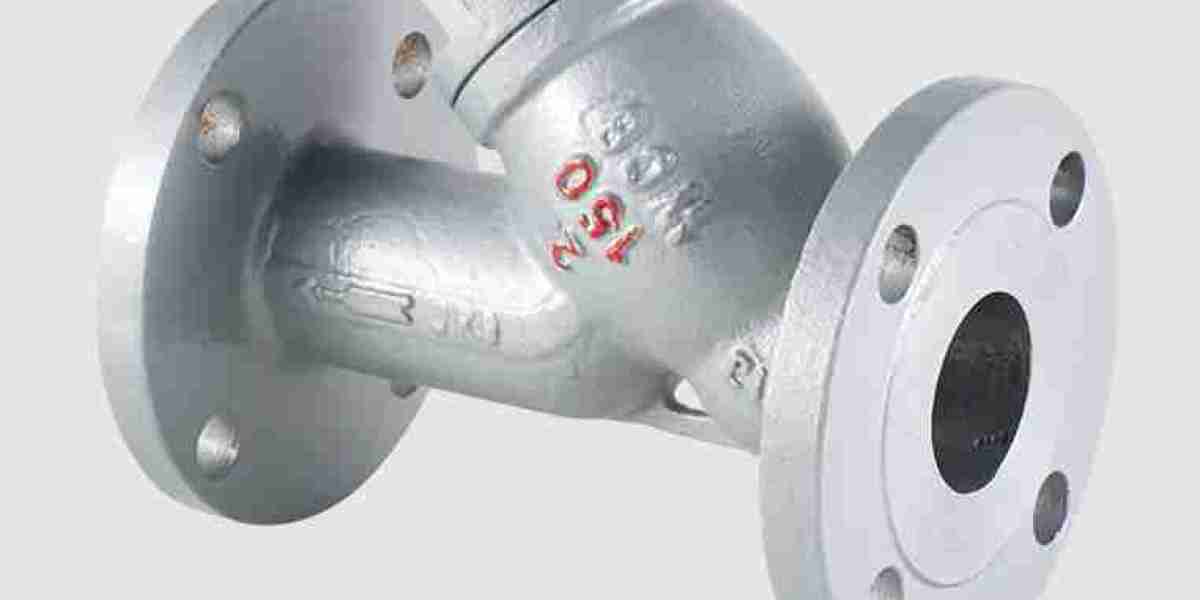
Installing a stainless steel Y-type strainer involves more than placing a filtration component into a pipeline. Proper installation practices can influence operating conditions, maintenance convenience, and overall system performance. Since different systems have different flow characteristics, installation planning often begins during the design stage.
One of the first considerations is flow direction. Most Stainless Steel Y Type Strainer products include arrows on the body surface that indicate the intended flow path. Installing the unit in the correct orientation allows fluid to move through the screen properly. Incorrect positioning may reduce filtration effectiveness and create undesirable flow conditions.
Pipe orientation may also affect installation methods. Horizontal pipelines commonly position the screen chamber downward so that collected particles settle inside the strainer basket area. In vertical installations, operating conditions may require additional evaluation because gravity can influence debris collection patterns.
Space allocation around the Stainless Steel Y Type Strainer is another practical factor. During maintenance procedures, technicians may need room to remove the screen assembly for cleaning or replacement. Restricted access can increase maintenance time and complicate routine inspection activities.
Pressure conditions within the pipeline also influence component selection. Systems operating under higher pressure levels may require thicker body structures and stronger connection methods. Temperature ranges should also be considered because thermal expansion and material behavior can vary under changing conditions.
Engineers sometimes install pressure gauges on both sides of the Stainless Steel Y Type Strainer. Monitoring pressure differences provides useful information regarding screen condition. As particles collect on the filtering surface, resistance to flow may gradually increase. A noticeable pressure difference can indicate the need for maintenance.
Cleaning procedures vary according to operating requirements. Some systems require scheduled shutdown periods for maintenance activities, while others use blow-off valves that allow debris removal during operation. Maintenance planning depends on process requirements and contamination levels.
Selecting the correct mesh size is equally important. Screens with very small openings may capture finer particles but could require more frequent cleaning. Larger openings may allow greater flow capacity while retaining larger contaminants. The balance between filtration requirements and operational efficiency often guides the decision.
The Stainless Steel Y Type Strainer contributes to pipeline performance through proper installation and ongoing maintenance. Although the component itself occupies a relatively small section of the pipeline, careful attention to installation details can support smoother operation and reduce interruptions throughout the system.