


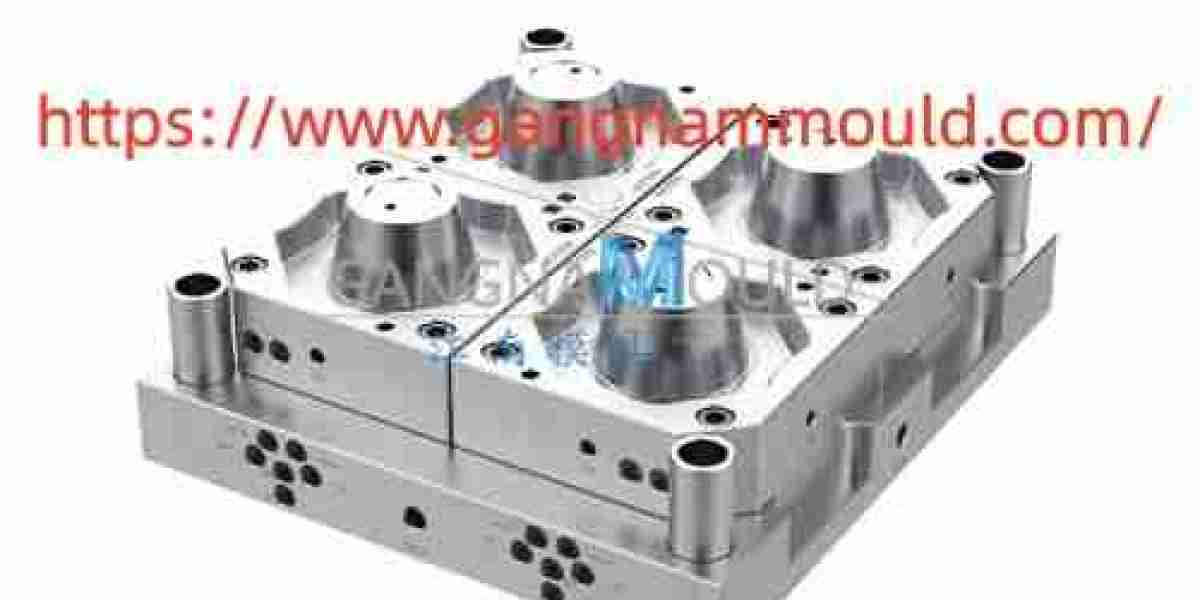
Storage Cabinet Mold requires steady attention to remain effective across many production cycles in manufacturing settings. Teams that follow simple routines often experience fewer interruptions and more predictable results when running high volume orders.
Cleaning stands as a basic yet effective practice. After each run operators should wipe away residual material from cavities and cores using soft non abrasive cloths and approved solvents. Leaving particles behind can cause surface marks on future parts and gradually alter dimensional accuracy. A quick visual sweep of vents and cooling channels also clears potential blockages that slow heat transfer.
Lubrication of guide pins ejector systems and slides comes next. Selecting a lubricant compatible with the steel grade and operating temperature prevents dry friction that accelerates wear. Apply only the needed amount so excess does not attract dust or migrate into the cavities. Reapplication intervals depend on cycle volume yet a weekly review during continuous operation keeps everything moving freely.
Humidity and temperature control in the storage area matter equally. Metal surfaces react to moisture by forming surface oxidation that later transfers to finished pieces. Keeping relative humidity moderate and avoiding sudden temperature swings reduces this risk. Placing the equipment on level racks with light protective covers shields it from airborne contaminants while still allowing air circulation.
Periodic measurement of critical dimensions helps catch gradual changes. Using calibrated gauges on core inserts parting lines and shut off faces reveals any deviation early. Documenting these readings alongside total cycles creates a clear history that guides decisions about polishing or component replacement. Early detection usually costs less time than correcting defects after they appear in finished goods.
Handling during installation and removal deserves care as well. Aligning the tool carefully with the machine platen avoids uneven stress on mounting surfaces. Secure clamping without overtightening protects the base plates from distortion. When the unit leaves the press a brief inspection of locating rings and water fittings confirms everything remains intact for the next job.
Training operators on these steps builds consistency across shifts. Clear checklists posted near the press area remind everyone of the sequence without relying on memory alone. Rotating responsibility for post run checks spreads awareness and reduces the chance that small issues go unnoticed.
Gangnammould designs its tooling with service access in mind so cleaning and inspection remain straightforward even after extended use. The materials selected balance hardness with polishability allowing surfaces to recover well after routine maintenance.
Following these practices supports longer intervals between major refurbishments and helps maintain part consistency from the first shot to the last. Facilities that treat the equipment as a long term asset rather than a disposable item generally report steadier throughput and lower unplanned downtime.
For those seeking options built with practical upkeep in view the full range appears at https://www.gangnammould.com/product/ where specifications and configurations can be reviewed according to production requirements.



