


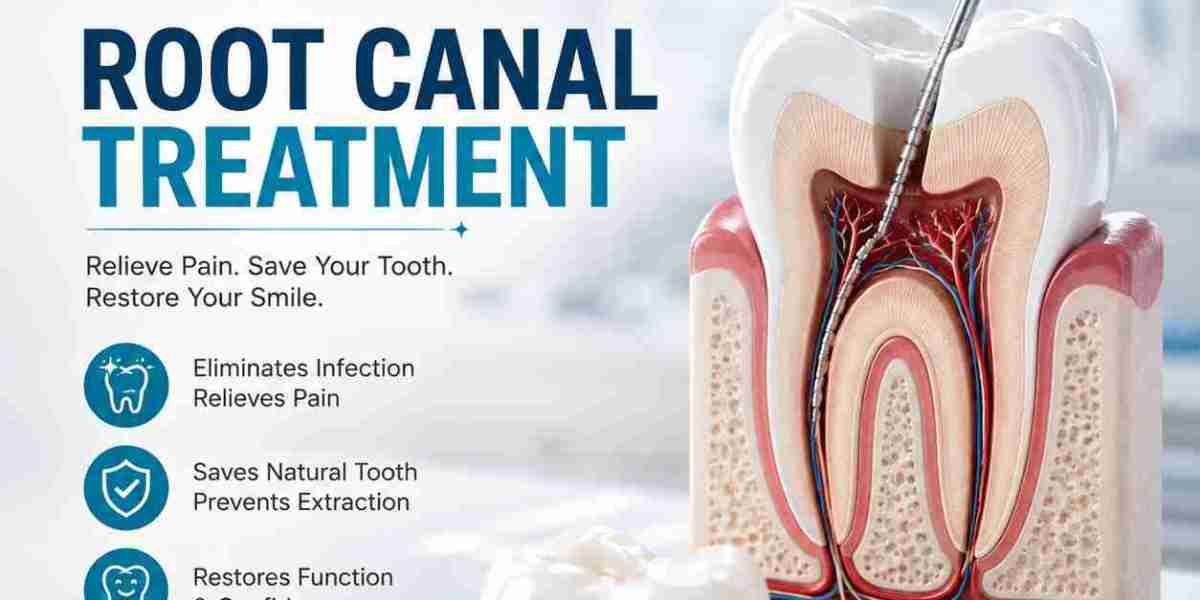
Root canal treatment is performed to remove infection from inside a tooth, relieve discomfort, and preserve the natural tooth. While modern root canal therapy has a high success rate, treatment can occasionally fail. Root canal failure may occur when bacteria remain inside the canal system, new infection develops, or the tooth becomes damaged after treatment.
Understanding the causes of failure and knowing how to protect a treated tooth can help patients make informed decisions and maintain their oral health.
What Is Root Canal Failure?
Root canal failure occurs when a tooth that has already received root canal treatment develops persistent or new infection, inflammation, or structural problems.
Some patients may notice symptoms such as pain, swelling, or discomfort when chewing. In other cases, there may be no obvious symptoms, and the problem is discovered during a routine dental examination or X-ray.
A failed root canal does not necessarily mean that the tooth must be removed. Depending on the cause, retreatment or another procedure may allow the natural tooth to be preserved.
Common Causes of Root Canal Failure
1. Missed Root Canals
One of the most common reasons for persistent infection is an untreated canal. Some teeth have complex internal anatomy with additional canals that can be difficult to locate.
If a canal containing bacteria or infected tissue is missed, the infection may continue and eventually cause symptoms or inflammation around the root.
Modern dental imaging, careful examination, and magnification can help dentists identify complex canal structures.
2. Incomplete Cleaning
Root canal treatment involves removing infected pulp and cleaning the canal system. If bacteria or infected material remain in areas that are difficult to access, the infection may persist.
Curved, narrow, or complicated canals can make cleaning more challenging. Thorough disinfection and proper treatment techniques are therefore important for reducing bacterial contamination.
3. Poor or Incomplete Sealing
After cleaning, the root canals need to be filled and sealed. If the filling is inadequate or the tooth develops leakage, bacteria may enter the canal system again.
A properly sealed tooth helps prevent microorganisms from reaching the previously cleaned area and reduces the possibility of reinfection.
4. New Tooth Decay
A root canal-treated tooth can still develop cavities. New decay around a filling or crown may eventually create an opening through which bacteria can enter.
Regular brushing, flossing, fluoride use, and professional dental examinations are important for preventing new decay and protecting the treated tooth.
5. Delayed Permanent Restoration
After root canal treatment, the tooth may require a permanent filling or dental crown. This is especially important when a significant amount of the original tooth structure has been lost.
Delaying the final restoration can leave the tooth more vulnerable to leakage, further decay, and fracture. Following your dentist's recommended restoration schedule can help protect the tooth.
6. Tooth Fracture
A tooth that has experienced extensive decay or previous dental work may have reduced structural strength. Even after successful root canal treatment, excessive biting forces can cause cracks or fractures.
Chewing ice, hard objects, or very hard foods can increase the risk. A severe vertical root fracture may prevent the tooth from being successfully restored.
7. Persistent Infection Around the Root
Sometimes inflammation around the root remains even after treatment. This can be associated with complex anatomy, persistent bacteria, an untreated canal, or other factors.
An X-ray and clinical examination can help determine whether the tooth is healing normally or requires further treatment.
What Are the Signs of Root Canal Failure?
A root canal-treated tooth may feel slightly different from other teeth without necessarily indicating a problem. However, recurring symptoms should be evaluated by a dental professional.
Possible warning signs include:
- Persistent or recurring toothache
- Pain when biting or chewing
- Swelling around the tooth
- Tender or inflamed gums
- A recurring pimple on the gum
- Bad taste or drainage
- Sensitivity or discomfort
- Infection or bone changes visible on an X-ray
Importantly, root canal failure can sometimes occur without noticeable symptoms. Regular dental checkups can help identify potential problems early.
How Can Root Canal Failure Be Prevented?
Although no procedure can guarantee permanent success, patients can take several steps to reduce the risk of complications.
Choose Appropriate Dental Care
Root canal treatment requires careful cleaning, disinfection, shaping, and sealing of the canals. An experienced dentist or endodontist can assess the tooth and determine the most appropriate treatment approach.
Complete the Final Restoration
If your dentist recommends a crown after root canal treatment, it is important not to postpone it unnecessarily. A properly fitted restoration can protect the remaining tooth structure and reduce the risk of fracture and leakage.
Maintain Good Oral Hygiene
Brush your teeth twice daily with fluoride toothpaste and clean between your teeth every day. Good oral hygiene reduces plaque buildup and helps prevent cavities and gum disease.
Avoid Excessive Pressure
Until the permanent restoration is completed, avoid chewing hard foods on the treated tooth unless your dentist tells you otherwise. Even after restoration, avoid habits such as chewing ice, biting pens, or opening packages with your teeth.
Attend Regular Dental Appointments
Regular dental visits allow your dentist to check the treated tooth and surrounding tissues. Dental X-rays may be used when clinically appropriate to monitor healing around the root.
Can a Failed Root Canal Be Treated Again?
A failed root canal does not always mean extraction is necessary. In suitable cases, root canal retreatment can be performed.
During retreatment, the dentist reopens the tooth, removes the existing filling material, examines the canals, cleans and disinfects them, and seals them again. In certain situations, endodontic surgery may also be considered.
Extraction may become necessary if the tooth has a severe fracture, insufficient healthy structure, or cannot be predictably restored.
How Long Can a Root Canal-Treated Tooth Last?
A successfully treated and properly restored tooth can remain functional for many years. Its long-term health depends on factors such as the quality of the root canal treatment, remaining tooth structure, final restoration, oral hygiene, and biting habits.
Taking care of the tooth after treatment is therefore essential for maintaining its strength and function.
Final Thoughts
Root canal failure can result from missed canals, incomplete cleaning, inadequate sealing, new decay, delayed restoration, tooth fractures, or persistent infection. Fortunately, careful professional treatment and good aftercare can help reduce many of these risks.
If a previously treated tooth develops pain, swelling, or discomfort, schedule a dental examination rather than assuming that extraction is the only option. Depending on the cause, retreatment or another procedure may be able to resolve the problem and help preserve your natural tooth.



