Haemorrhoids can start with symptoms that seem minor, such as occasional itching, mild irritation, or a small amount of bleeding during bowel movements. Because these signs may not initially feel serious, many people choose to ignore them. However, when symptoms continue or become more frequent, they can affect everyday comfort and make simple activities such as sitting, exercising, travelling, or using the bathroom unpleasant.
The good news is that haemorrhoids are a common condition and several treatment approaches are available. Haemorrhoids treatment in Dubai can range from simple lifestyle adjustments and medication to minimally invasive procedures and surgical treatment for more advanced cases. The most suitable option depends on the type and severity of haemorrhoids and the patient's individual symptoms.
Understanding the early signs and available treatment options can help you make informed decisions and seek appropriate care at the right time.
What Are Haemorrhoids?
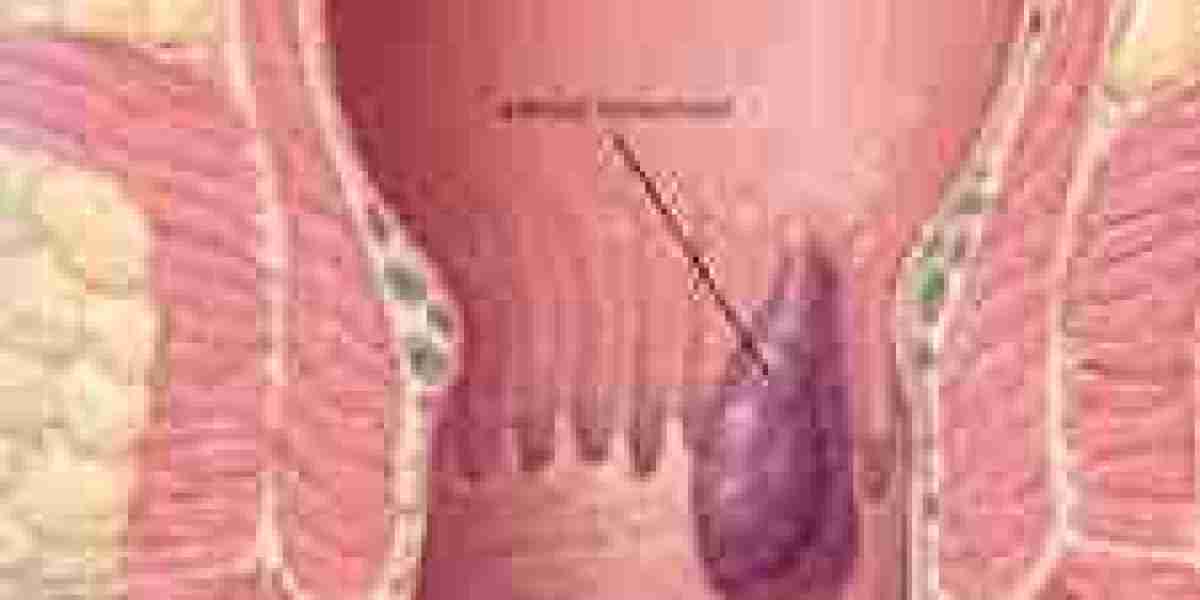
Haemorrhoids are swollen blood vessels and supporting tissues around the lower rectum and anus. They are generally divided into two main types: internal and external.
Internal haemorrhoids develop inside the rectum. They may not cause noticeable pain, particularly in their early stages, but bleeding during bowel movements can occur.
External haemorrhoids develop beneath the skin around the anus. They may cause itching, swelling, tenderness, irritation, or pain.
The symptoms and severity can vary considerably from person to person.
Recognising the Early Signs
Recognising symptoms early can encourage people to seek appropriate advice before discomfort becomes more persistent.
Common early signs may include:
- Small amounts of bright-red blood during or after bowel movements
- Mild itching around the anus
- Irritation or burning
- A feeling of pressure or discomfort
- Small swelling or a lump
- Mild tenderness while sitting
Although these symptoms can be associated with haemorrhoids, they can also occur with other conditions. Persistent or unexplained rectal bleeding should therefore be professionally assessed rather than automatically attributed to haemorrhoids.
Why Do Haemorrhoids Develop?
Haemorrhoids are often associated with increased pressure around the blood vessels of the rectal and anal area. Several everyday factors can contribute to this pressure.
Constipation
Hard stools can make bowel movements difficult and encourage repeated straining. Over time, this can contribute to haemorrhoid development.
Prolonged Sitting
Spending long periods sitting, especially on the toilet, may contribute to pressure and can be associated with unhealthy bowel habits.
Low-Fibre Diet
A diet lacking adequate fibre can make stools harder and less regular.
Pregnancy
Pregnancy can increase pressure around the pelvic and rectal area and may make haemorrhoids more likely.
Heavy Lifting
Repeated heavy lifting can temporarily increase pressure within the abdomen, potentially contributing to haemorrhoid symptoms.
Ageing
The tissues supporting the veins around the rectum can become less resilient with age, increasing susceptibility.
Can Early Haemorrhoids Improve Without a Procedure?
In some cases, mild haemorrhoid symptoms may improve through conservative measures. The first step may involve addressing factors such as constipation and straining.
Increasing fibre intake can help produce softer stools. Fibre can be obtained from vegetables, fruits, whole grains, beans, lentils, and other plant-based foods.
Adequate fluid intake can also support healthy bowel movements. Regular physical activity may help maintain normal digestive function.
It is also useful to avoid spending unnecessary time on the toilet and to respond to the body's natural urge to have a bowel movement.
When Should You Consider Professional Treatment?
Mild symptoms that improve with lifestyle changes may not require an invasive procedure. However, professional assessment can be important when symptoms:
- Keep returning
- Become increasingly painful
- Cause frequent bleeding
- Interfere with work or daily activities
- Produce significant swelling
- Do not improve with conservative measures
A healthcare professional can determine whether the symptoms are consistent with haemorrhoids and whether further treatment is appropriate.
Treatment Options for Haemorrhoids
There is no single treatment that works for every patient. Treatment is selected according to the type, severity, and symptoms.
Lifestyle Management
For mild cases, dietary fibre, adequate hydration, exercise, and improved bowel habits may help reduce symptoms.
Medication
Certain topical creams, ointments, or suppositories may temporarily relieve itching, irritation, and discomfort. These products should be used according to professional recommendations.
Minimally Invasive Procedures
Some internal haemorrhoids that do not respond adequately to conservative care may be treated using minimally invasive techniques. Rubber band ligation is one commonly used procedure for selected internal haemorrhoids.
Other procedures may also be considered depending on the individual condition.
Surgical Treatment
More advanced, large, recurrent, or troublesome haemorrhoids may sometimes require surgery. Surgical approaches are designed to remove or reduce problematic haemorrhoidal tissue.
Surgery is not automatically required simply because someone has haemorrhoids. The decision depends on the clinical situation.
Benefits of Appropriate Haemorrhoids Treatment
When the underlying condition is correctly identified and appropriately treated, patients may experience improvements such as:
- Less bleeding
- Reduced itching
- Lower levels of discomfort
- Reduced swelling
- Easier bowel movements
- Greater sitting comfort
- Improved confidence during daily activities
- Better overall quality of life
The results vary depending on the severity of the condition and the treatment selected.
Preparing for Haemorrhoids Treatment in Dubai
Preparation depends on whether the patient is receiving conservative care, a minimally invasive procedure, or surgery.
Before treatment, it can be helpful to discuss your symptoms, bowel habits, medications, allergies, medical history, and previous haemorrhoid treatments.
If a procedure is recommended, carefully following the preparation instructions can help support a smoother treatment experience.
Recovery After Treatment
Recovery varies according to the treatment approach.
Patients receiving conservative treatment may be able to continue their normal routines while making dietary and lifestyle changes.
Following a procedure or surgery, temporary adjustments may be necessary. These can include modifying strenuous activities, maintaining good hygiene, drinking sufficient fluids, and following recommendations designed to prevent constipation.
Following aftercare guidance is important for supporting recovery and reducing unnecessary irritation.
How to Reduce the Risk of Future Haemorrhoids
Even after successful treatment, healthy bowel habits remain important.
You can support long-term bowel health by:
- Eating enough fibre
- Drinking adequate water
- Exercising regularly
- Avoiding unnecessary straining
- Spending less time sitting on the toilet
- Responding to the urge to have a bowel movement
- Maintaining a healthy body weight
- Avoiding prolonged inactivity
These habits cannot guarantee that haemorrhoids will never return, but they may reduce several contributing factors.
Frequently Asked Questions
What are the earliest symptoms of haemorrhoids?
Early symptoms may include mild itching, irritation, swelling, discomfort, or bright-red bleeding during bowel movements.
Can haemorrhoids disappear on their own?
Mild symptoms may improve with lifestyle changes and conservative care. Persistent symptoms should be evaluated.
Does every patient need surgery?
No. Treatment depends on the type and severity of haemorrhoids. Many cases can be managed without conventional surgery.
Is rectal bleeding always caused by haemorrhoids?
No. Other medical conditions can also cause rectal bleeding. Persistent, unexplained, or recurrent bleeding should be evaluated.
Can diet help with haemorrhoids?
A fibre-rich diet can help support softer and more regular stools, which may reduce constipation and straining.
Conclusion
Recognising haemorrhoid symptoms early can make it easier to address contributing factors and explore appropriate treatment before discomfort becomes a regular part of daily life. From dietary and lifestyle changes to medication, minimally invasive procedures, and surgery when appropriate, Haemorrhoids Treatment in Dubai offers different approaches based on individual needs.
The most important step is not to ignore persistent bleeding, pain, swelling, or other unusual symptoms. A proper assessment can help determine whether haemorrhoids are responsible and which treatment approach may be suitable. Tajmeels clinic can be considered when researching professional haemorrhoid treatment and seeking guidance for managing symptoms comfortably and confidently.