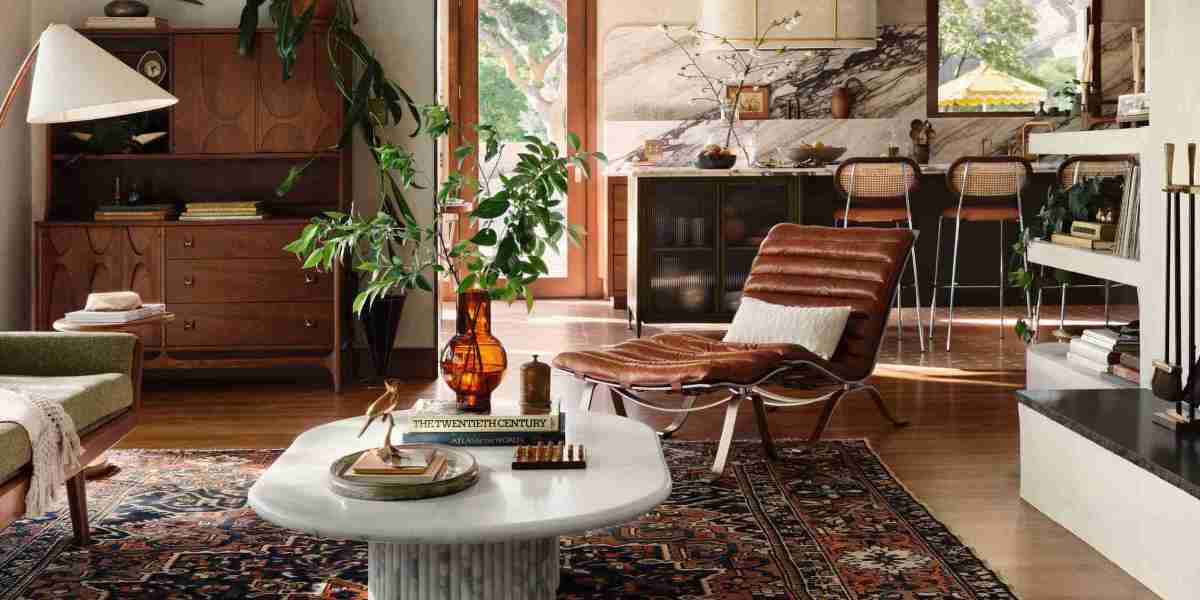
Mid-century modern furniture remains one of the most recognizable and enduring styles in interior design. Developed primarily during the mid-20th century, the style combines practical construction, clean silhouettes, organic shapes, and carefully considered materials. Today, homeowners and collectors continue to appreciate its ability to make rooms feel sophisticated without appearing overly decorated. From sculptural lounge chairs to elegant dining tables, these pieces can work beautifully in both traditional and contemporary interiors. Understanding its history, influential designers, and investment potential can help buyers make more informed furniture choices.
What Is Mid-Century Modern Furniture?
Designers of this period focused on creating functional objects that looked refined while remaining suitable for everyday living. Mid-century modern furniture generally refers to furniture produced and inspired by design movements from roughly the 1940s through the 1960s. Furniture often features tapered legs, smooth curves, geometric forms, natural wood, molded materials, and restrained decoration. Rather than relying on elaborate ornamentation, designers allowed proportion, craftsmanship, texture, and material quality to create visual interest. This balance between beauty and usefulness is one reason the style continues to influence contemporary furniture design.
The movement also reflected important changes in everyday life after World War II. New manufacturing techniques allowed designers to experiment with plywood, fiberglass, plastics, steel, and other materials that were becoming increasingly accessible. At the same time, growing interest in modern architecture encouraged open floor plans and furniture that could complement uncluttered interiors. Pieces were designed to serve a purpose without overwhelming the room around them. This practical philosophy helped establish a recognizable aesthetic that remains highly relevant in modern homes.
The History Behind the Mid-Century Modern Movement
The roots of mid-century design can be traced to earlier European modernist movements, including the Bauhaus and Scandinavian functionalism. Designers began challenging traditional furniture conventions by reducing unnecessary decoration and emphasizing practical construction. After the 1940s, these ideas developed further in the United States, where designers experimented with mass production and new materials. American manufacturers increasingly collaborated with creative designers to produce furniture that could reach a wider audience. The result was a distinctive design culture that brought modern furniture into ordinary homes rather than limiting it to experimental spaces.
Scandinavian design also played an important role in shaping the aesthetic. Designers from Denmark, Sweden, Finland, and neighboring countries emphasized natural materials, craftsmanship, comfort, and simplicity. Their furniture often incorporated warm woods and soft organic forms, creating an approachable alternative to colder interpretations of modernism. American designers adopted and adapted many of these principles while introducing their own approaches to industrial production. This exchange of ideas helped create the broad family of styles now commonly associated with mid-century modern interiors.
Iconic Designers Who Shaped the Style
Several influential designers helped establish the visual language associated with mid-century furniture. Charles and Ray Eames are among the most celebrated names, particularly for their innovative use of molded plywood, fiberglass, and other modern materials. Their work demonstrated that mass-produced furniture could still be comfortable, visually appealing, and carefully engineered. George Nelson also made a lasting contribution through furniture and architectural products characterized by playful geometry and functional thinking. Their designs remain widely studied because they successfully combined technological experimentation with everyday usability.
Danish designers such as Hans Wegner and Arne Jacobsen brought exceptional craftsmanship and organic forms to the movement. Wegner became particularly respected for chairs that revealed the beauty of wood through carefully shaped frames and refined joinery. Jacobsen created influential furniture with distinctive curves and sculptural profiles that continue to appear in sophisticated residential and commercial spaces. Other designers, including Florence Knoll, Eero Saarinen, and Isamu Noguchi, expanded the movement through tables, seating, and architectural furnishings. Learning these names can make it easier for collectors to identify significant pieces and understand their design context.
Key Characteristics to Look for When Buying
Authentic mid-century modern furniture often has a recognizable combination of simplicity, proportion, and material honesty. Wood species such as walnut, teak, oak, and rosewood are frequently associated with vintage examples, although the exact materials vary according to designer, manufacturer, and region. Tapered legs, floating forms, rounded edges, and clean horizontal lines are common visual characteristics. Upholstered pieces may feature restrained colors and durable fabrics rather than excessive patterns or ornamentation. However, buyers should remember that not every piece with tapered legs is genuinely mid-century modern, making construction and provenance important considerations.
Quality is especially important when evaluating vintage furniture. Examine joints, veneers, hardware, upholstery, finishes, and structural stability before making a purchase. Signs of careful craftsmanship can include strong joinery, consistent wood grain, properly fitted components, and thoughtful construction details. Repairs are not necessarily a reason to reject a piece, because well-restored vintage furniture can remain highly functional and attractive for decades. However, major alterations, replacement parts, refinishing, or missing original components may influence authenticity and market value.
Mid-Century Dining Furniture for Modern Homes
Mid-century dining furniture is particularly popular because dining rooms benefit from the style's combination of functionality and visual lightness. A well-designed dining table can become a focal point without making a room feel crowded or formal. Teak and walnut tables are especially appealing because their natural grain introduces warmth while maintaining the clean appearance associated with modern interiors. Matching or complementary chairs can reinforce the design language without requiring every item in the room to come from the same collection. This makes mid-century dining furniture a flexible choice for homeowners who want character without excessive decoration.
When selecting a dining set, consider both proportions and everyday practicality. The table should provide enough space for household members and guests while leaving comfortable circulation around the room. Chairs should offer appropriate support and should sit at a practical height relative to the tabletop. Extending tables can be particularly useful for homes that need flexibility during gatherings without sacrificing a compact footprint during everyday use. Mixing vintage pieces with contemporary lighting, rugs, or artwork can also create a more personalized dining environment.
How to Identify Investment-Worthy Pieces
Not every vintage piece automatically qualifies as an investment, and buyers should approach collectible furniture with the same care they would use when purchasing other valuable design objects. Designer attribution, original condition, rarity, documented provenance, manufacturer markings, and demand can all affect long-term value. A well-preserved example from a recognized designer may command substantially more attention than an attractive but anonymous reproduction. Limited production runs and historically significant designs can also influence collector interest. Before paying a premium, research comparable examples and verify information about the designer, manufacturer, date, and condition.
Condition deserves particular attention because restoration can have different effects depending on the furniture category. A professionally restored piece may be more desirable than one with significant structural damage, but aggressive refinishing can sometimes remove original finishes or alter important details. Collectors should therefore distinguish between sympathetic conservation and extensive modification. Documentation such as original receipts, labels, catalogs, photographs, or previous ownership records can strengthen provenance when available. For expensive purchases, consulting a reputable dealer, specialist, or independent appraiser can provide additional assurance before completing the transaction.
Building a Timeless Interior With Mid-Century Pieces
One of the greatest strengths of mid-century modern furniture is its ability to work beyond a strictly vintage interior. A walnut credenza can complement contemporary artwork, while a sculptural lounge chair can add personality to an otherwise minimalist living room. Similarly, a vintage dining table can be paired with modern pendant lighting and contemporary chairs for an intentionally layered appearance. The goal is not necessarily to recreate a 1950s showroom but to use distinctive pieces in a way that reflects the homeowner's personality. Mixing periods thoughtfully can make an interior feel collected rather than overly coordinated.
When furnishing an entire room, balance is more important than quantity. Too many matching vintage pieces can make a space feel like a historical reproduction instead of a comfortable modern home. Instead, choose one or two standout pieces and allow surrounding furniture and accessories to support them. Natural textures, neutral walls, plants, contemporary art, and simple lighting can all work effectively with the warm geometry of the style. By focusing on proportion, craftsmanship, and functionality, homeowners can create interiors that feel current while preserving the character that makes mid-century design so appealing.
Final Thoughts
Mid-century modern furniture has remained influential because its underlying principles are remarkably adaptable. Clean lines, functional construction, natural materials, and thoughtful proportions continue to make sense in contemporary homes. Whether someone is searching for a statement lounge chair, a practical credenza, or mid-century dining furniture, understanding the history behind each design can make the buying experience more rewarding. Authenticity, condition, craftsmanship, and provenance should all be considered when evaluating vintage or collectible pieces. A careful approach can help buyers find furniture that is not only attractive today but potentially meaningful for years to come.
For collectors, the best investment is not always the piece with the highest asking price. Furniture that has strong design credentials, excellent construction, useful proportions, and enduring visual appeal can provide value even when market trends change. Buyers should prioritize pieces they genuinely enjoy while researching their authenticity and condition before making significant purchases. With thoughtful selection, mid-century modern furniture can bring warmth, character, and historical significance into contemporary spaces. That combination of practical design and lasting appeal explains why the movement continues to hold an important place in the world of furniture and interior design.