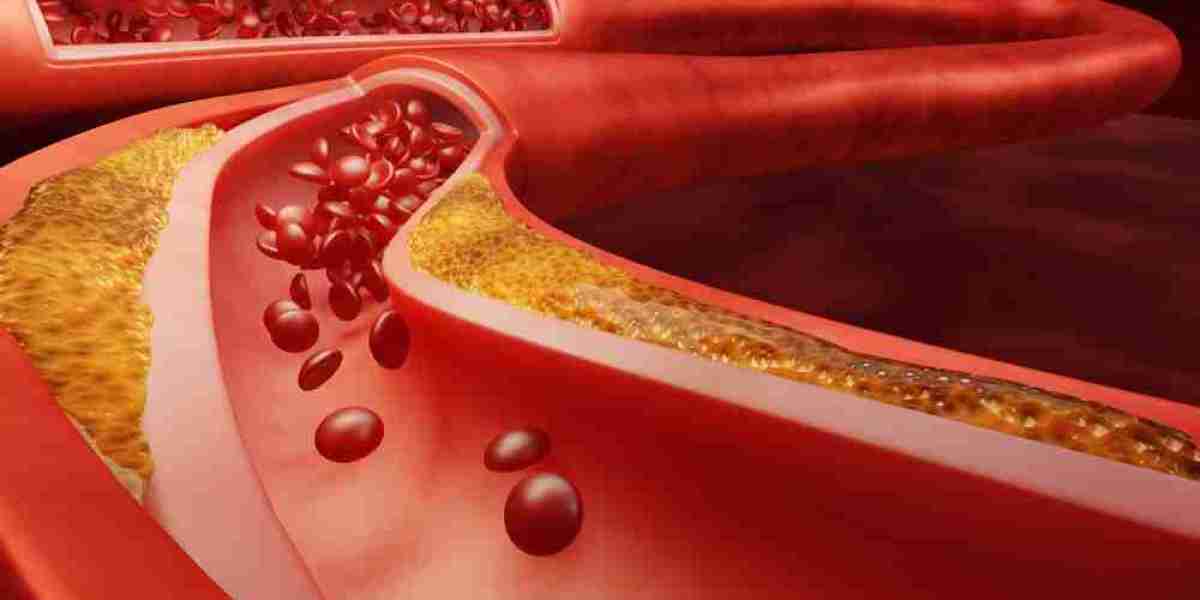
Imagine walking through an ancient city with narrow, winding streets. Over time, debris starts piling up along the road, making it harder for carts to pass and slowing down trade. You might not notice the traffic jam until one day a critical shipment gets completely blocked.
Now, picture your arteries as these streets, and blood as the carts delivering essential nutrients to your body. When plaque builds up, it creates blockages that can silently disrupt life itself.
This analogy helps us understand Atherosclerotic Cardiovascular Disease, a condition that often develops quietly over decades, only making its presence known when the consequences become life-threatening.
Did you know that heart disease is the leading cause of death worldwide? Nearly 1 in 3 deaths globally can be traced back to cardiovascular disorders. But behind most heart attacks and strokes is a gradual, often unnoticed process i.e. the buildup of plaque in the arteries, medically known as Atherosclerotic Cardiovascular Disease.
Unlike a sudden injury, this disease creeps in silently, damaging blood vessels while giving few outward signs.
What Is Atherosclerotic Cardiovascular Disease?
Atherosclerotic Cardiovascular Disease or ASCVD is an umbrella term describing conditions caused by the slow accumulation of fat, cholesterol, and other substances in the arterial walls. These deposits, called plaques, restrict blood flow and can eventually lead to serious events such as heart attacks, strokes, or peripheral artery disease.
Unlike acute injuries that signal distress immediately, ASCVD often develops silently. Many people are unaware they have it until an emergency occurs. Understanding the mechanisms, risk factors, and prevention strategies is crucial to safeguarding heart health before damage becomes irreversible.
Spotting the Warning Signs
While ASCVD can be silent for years, certain warning signs can hint at trouble:
- Dyspnea (shortness of breath): Difficulty breathing during simple activities may signal restricted blood flow.
- Angina (chest pain or pressure): Discomfort in the chest, sometimes radiating to the arm or jaw, often occurs during physical exertion.
- Heart palpitations: Irregular or rapid heartbeats may indicate the heart is struggling to cope with reduced blood supply.
- Fatigue: Unusual tiredness even after mild exertion can be an early sign of cardiovascular stress.
Early recognition of these symptoms is critical, as they can provide a window for intervention before life-threatening events occur.
What Causes It?
Multiple factors contribute to the development of ASCVD, including:
- Dyslipidemia: High levels of LDL (bad cholesterol) and low HDL (good cholesterol) accelerate plaque formation.
- Hypertension (High blood pressure): Increases the strain on artery walls, promoting damage.
- Diabetes Mellitus: High blood sugar levels can injure the lining of blood vessels.
- Sedentary lifestyle: Physical inactivity slows metabolism and contributes to obesity and arterial stiffness.
- Smoking: Tobacco chemicals damage blood vessels and speed up plaque accumulation.
- Age and gender: Risk increases with age, and men generally face higher risk earlier than women.
- Family history: Genetics can predispose individuals to early arterial plaque formation.
Understanding these risk factors is the first step in preventing the progression of ASCVD. Knowledge empowers individuals to make informed lifestyle changes before irreversible damage occurs.
The Storm Beneath the Surface
If left unchecked, ASCVD can lead to severe complications:
- Heart Attack (Myocardial Infarction): Blocked arteries prevent oxygen-rich blood from reaching the heart.
- Stroke: Reduced or blocked blood flow to the brain causes brain cell damage.
- Peripheral Artery Disease (PAD): Restricted blood flow to limbs, leading to pain, numbness, or even tissue damage.
These events often appear sudden, but they are the result of decades of arterial damage caused by silent plaque buildup.
Finding the Cause Behind the Chaos
Detecting ASCVD early often involves routine screenings and medical tests:
- Blood tests: Measuring cholesterol levels, blood sugar, and markers of inflammation.
- Imaging: Ultrasound, CT scans, or angiography to visualize arterial health.
- Electrocardiogram (ECG): Checks heart rhythm abnormalities.
- Stress tests: Evaluates heart function during physical activity.
Early detection is vital. Individuals with risk factors or family history should prioritize regular check-ups to identify the disease before it causes major events.
Steps Toward Healing
While medications and interventions are available, lifestyle changes remain the most effective and sustainable approach to managing Atherosclerotic Cardiovascular Disease. Depending on severity, treatment may include:
Medical Treatment Options
- Medications: Statins to control cholesterol, antihypertensives to manage blood pressure, and antiplatelet drugs to prevent clot formation.
- Surgical procedures: In severe cases, stents or bypass surgery may be required to restore blood flow.
Even with medical interventions, lifestyle remains the cornerstone of long-term prevention and improved outcomes.
How Lifestyle Changes Can Prevent Atherosclerotic Cardiovascular Disease
Think of your heart as an engine and your arteries as fuel lines. If the fuel lines get clogged with debris, even the most powerful engine will fail. Similarly, Atherosclerotic Cardiovascular Disease can silently block your arteries, but the good news is that your daily choices act like maintenance for your cardiovascular system.
Even small, consistent changes can significantly reduce your risk and keep your “engine” running smoothly for years.
1. Eat for a Healthy Heart
Nutrition is the foundation of prevention. What you put on your plate directly affects plaque buildup in your arteries. Here’s a roadmap for a heart-friendly diet:
Prioritize Plant-Based Foods
Fresh vegetables, fruits, legumes, and whole grains are rich in fiber and antioxidants, which help reduce cholesterol and arterial inflammation.
Choose Healthy Fats
Replace saturated fats (like butter and fatty meats) with monounsaturated fats (olive oil, avocado) and omega-3-rich foods (salmon, chia seeds, walnuts).
Limit Processed Foods and Sugars
Packaged snacks, sugary drinks, and refined carbohydrates accelerate Atherosclerotic Cardiovascular Disease by promoting obesity, insulin resistance, and inflammation.
Practice Portion Control
Even healthy foods can contribute to weight gain if consumed in excess. Mindful eating helps maintain a healthy body weight, which is crucial for arterial health.
2. Move Your Body: Exercise as Medicine
Physical activity is one of the most powerful tools against ASCVD. Regular exercise keeps your arteries flexible, reduces blood pressure, improves cholesterol, and boosts overall cardiovascular health.
3. Quit Smoking and Limit Alcohol
Tobacco is a direct enemy of your arteries. Chemicals in cigarettes damage blood vessel linings, accelerate plaque buildup, and increase clot formation, significantly contributing to ASCVD. Quitting smoking, even after years of use, dramatically reduces risk.
Similarly, alcohol should be consumed in moderation.
4. Stay Hydrated
Adequate water intake supports metabolic processes and circulation.
5. Manage Weight Effectively
Obesity, especially around the abdomen, creates a perfect storm for ASCVD. Excess fat increases inflammation, raises cholesterol, and contributes to insulin resistance.
Even losing 5–10% of your body weight can significantly lower blood pressure, improve cholesterol levels, and reduce plaque formation.
Stress Management: Protecting Arteries Mentally
Chronic stress doesn’t just affect mood; it physically damages arteries.
Practical stress-reduction strategies include:
- Meditation and deep breathing
- Hobbies like gardening, painting, or reading that provide mental relaxation
- Exercise
- Spending time with supportive friends or family to strengthen resilience and heart health
Wrapping It Up
Atherosclerotic Cardiovascular Disease is a silent, progressive condition that has affected humans for centuries. Historical evidence, from ancient mummies with arterial plaque to modern epidemiological data, shows that arterial health determines longevity and quality of life. While risk factors such as age, genetics, and gender are beyond our control, lifestyle choices remain a powerful tool to prevent this disease.
By adopting heart-healthy habits like balanced nutrition, regular physical activity, avoiding smoking, stress management, and routine health monitoring, we can slow or even reverse the progression of ASCVD, ensuring our arteries stay clear and functional for decades.