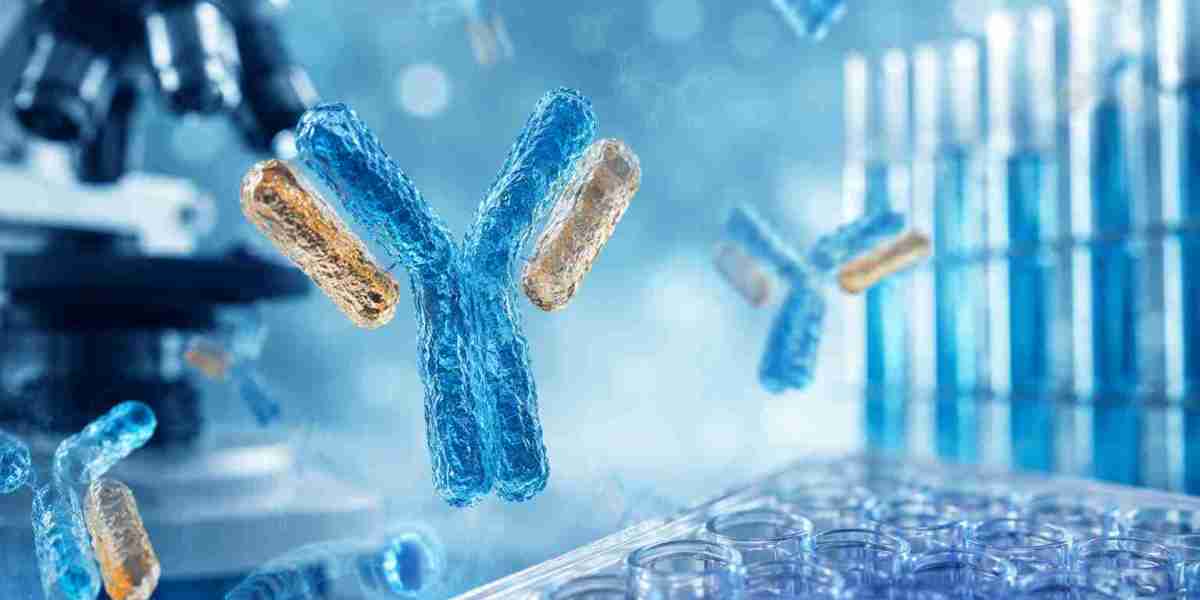
As someone who has spent years working in antibody development, I've seen firsthand how the field has shifted from traditional binding assays to highly sophisticated molecules designed for function, not just recognition. Functional antibodies are a different breed: they don't simply stick to their targets like Velcro—they do something with that binding. They neutralize, trigger, block, or deliver. And that distinction is exactly what makes them some of the most exciting tools in modern biotechnology.
What Makes an Antibody "Functional"?
Conventional antibodies, like those produced in response to infection or used in basic assays, are primarily defined by their ability to bind antigens. Functional antibodies take things a step further: binding is the starting point, but the outcome is tailored. The binding triggers a functional effect—for example, killing a pathogen, blocking a signaling pathway, or carrying a therapeutic payload to a specific cell.
This extra layer of functionality requires advanced engineering, precise validation, and careful consideration of mechanisms of action.
Eliminating Antibodies: Knocking Targets Out of the Game
Eliminating antibodies are engineered specifically to suppress or completely remove the function of a target molecule. The idea is straightforward but powerful: if a disease pathway is driven by a particular receptor, enzyme, or ligand, you design an antibody that binds in a way that blocks that target's activity.
Mechanism of action:
* Steric hindrance, where the antibody physically blocks a binding site.
* Allosteric modulation, where binding changes the target's shape so it can no longer function.
* Tagging for degradation, where the antibody recruits immune machinery to destroy the target.
Development process:
* Target selection, often informed by disease pathway mapping.
* Antibody generation using phage display or hybridoma technologies.
* Functional screening to confirm the antibody doesn't just bind—it actively reduces or eliminates target function.
These antibodies are especially useful in oncology and autoimmune research, where shutting down overactive proteins can calm disease processes.
Vaccinal Antibodies: Acting Like a Vaccine in Disguise
Vaccinal antibodies are designed to mimic the effects of vaccines by inducing or amplifying immune responses. Instead of just binding a pathogen, they help "train" the immune system to respond more effectively, sometimes by presenting antigens in ways that encourage long-lasting memory.
Mechanism of action:
* Antibody-dependent cellular cytotoxicity (ADCC), where immune cells are directed to kill infected or malignant cells.
* Complement activation, where binding triggers the complement cascade for pathogen destruction.
* Antigen presentation, where the antibody enhances the immune system's ability to recognize and respond to pathogens.
Development process:
* Identification of immune pathways that can be stimulated.
* Engineering Fc regions to enhance effector functions.
* In vitro and in vivo validation to measure immune activation beyond simple binding.
These tools have found applications in infectious disease research and early-stage vaccine evaluation, allowing scientists to gauge immune potential before committing to large-scale clinical trials.
Biparatopic Antibodies: Two Hands Are Better Than One
Biparatopic antibodies are fascinating because they bind two distinct epitopes on the same target. Think of them as a two-handed grip: they lock down more tightly and often trigger unique signaling outcomes that single-epitope antibodies cannot achieve.
Mechanism of action:
* Increased binding affinity through avidity effects.
* Crosslinking that alters receptor clustering or downstream signaling.
* Improved neutralization of pathogens by blocking multiple functional sites simultaneously.
Development process:
* Selection of complementary epitopes using structural biology tools.
* Molecular engineering to fuse binding arms into a single antibody.
* Rigorous testing to ensure both epitopes can be bound simultaneously without steric clashes.
These molecules are particularly exciting in cancer immunotherapy, where blocking multiple functional regions of a tumor antigen can prevent resistance and improve outcomes.
Extracellular Vesicle Antibodies: Unlocking the Exosome Frontier
Extracellular vesicles (EVs), including exosomes, have exploded in popularity as research targets because they carry molecular cargo that reflects the state of their parent cells. Antibodies against EV markers allow researchers to capture, track, and even manipulate these tiny packages.
Mechanism of action:
* Specific recognition of EV surface proteins such as tetraspanins.
* Enrichment of EV populations for downstream omics analysis.
* Potential targeting of EVs as therapeutic delivery vehicles.
Development process:
* Identification of reliable EV markers through proteomics.
* Generation of antibodies against these surface proteins.
* Functional validation in isolation, tracking, or drug delivery assays.
By enabling precise EV tracking, these antibodies are helping researchers develop liquid biopsy diagnostics and explore EVs as therapeutic carriers.
How Functional Antibodies Are Developed
Across all these types, the development pipeline shares several common steps:
* Target Discovery: Identifying the molecular player linked to disease or therapy.
* Antibody Generation: Using display technologies or immunization strategies to produce binders.
* Functional Screening: Testing whether binding leads to the desired biological effect.
* Engineering and Optimization: Adjusting Fc regions, binding domains, or glycosylation to enhance functionality.
* Preclinical Validation: Demonstrating activity in cell-based and animal models.
This cycle is iterative—each stage informs the next, and optimization continues until the antibody consistently delivers the intended functional outcome.
Looking Forward
The field of functional antibodies is moving fast. Eliminating, vaccinal, biparatopic, and extracellular vesicle-targeting antibodies each represent a new way of thinking about immune molecules—not as static binders, but as dynamic tools engineered for impact.
As technologies like cryo-EM and single-cell sequencing continue to refine our understanding of targets, the next generation of functional antibodies will likely be even more precise, versatile, and therapeutic. For those of us in antibody R&D, it's an exciting time: the toolbox has never been richer, and the possibilities never more promising.