A storage magazine on an industrial estate experiences a small detonation during routine maintenance. The blast is contained, but a pressure pulse travels along shared ductwork toward an adjacent personnel shelter. Engineers on site need a clear answer: which valve will actually protect occupied spaces without crippling ventilation — and how should they choose it for a bunker environment?
What blast valves are
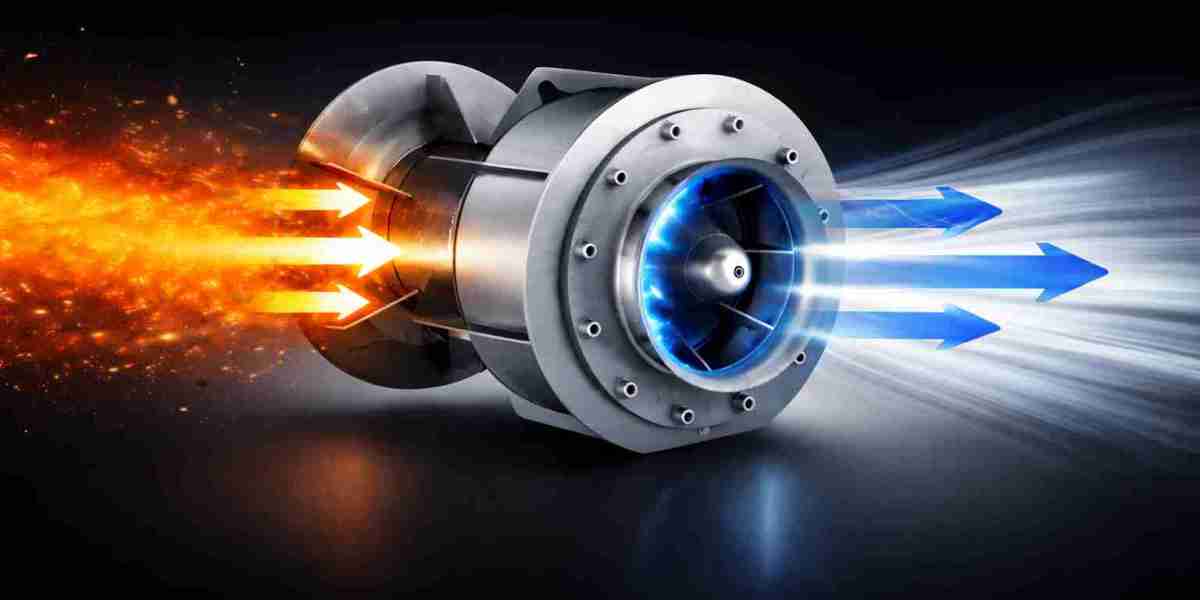
Blast valves are purpose-built devices installed in ventilation ducts and openings to allow normal airflow but rapidly restrict or seal when a pressure wave or overpressure event occurs. Unlike ordinary HVAC dampers or a simple Blast Gate used for dust or flow isolation, blast valves are designed and tested to absorb shock, prevent pressure transmission, and preserve internal survivability for bunkers, control rooms, and similar protected spaces.
Purpose, function and role
Their role is twofold: maintain everyday ventilation and environmental control, and provide near-instant protection during an impulse load. In military and industrial settings — from a blast valve for bunker installations to hardened rooms in power plants — these valves prevent destructive overpressure, block debris and contaminants, and allow safe re-pressurization after an event.
How blast valves work under explosion pressure
Blast valves operate by reacting to a sudden pressure differential or shockwave.
- Passive designs rely on mass, springs, counterweights, or inertia. The pressure pulse mechanically forces closure components (flaps, pistons, sleeves) into a sealed position within milliseconds.
- Active designs use sensors (pressure transducers or shock detectors) and actuators (electric, pneumatic, or hydraulic) to close the valve on command, enabling controlled sequencing and BMS integration.
Both approaches address:
- Pressure regulation: reducing peak loads transmitted to the protected volume.
- Shockwave handling: using energy-absorbing elements and seals to limit reflections and secondary loads.
- Airflow control: low resistance during normal operation, secure sealing under load.
- Reset behavior: passive valves often auto-reset; active valves can be remotely reset and tested.
Key features to prioritise
For bunker use, focus on these technical attributes:
- Pressure resistance: indicated as peak overpressure and impulse ratings. Match these to worst-case scenarios.
- Structural strength: heavy-gauge body, stiffening ribs, and impact-resistant closure hardware resist permanent deformation.
- Corrosion resistance: stainless, duplex steel, or protective coatings for coastal and industrial atmospheres.
- Durability: cycle life testing, fatigue resistance, and robust bearings or guides.
- Sealing efficiency: high-integrity gaskets and positive latching to prevent gas or particulate ingress.
- Airflow management: optimized internal geometry for minimal pressure drop during normal HVAC use, critical for comfort and systems performance.
- Safety performance: third-party test reports, traceable calculations, and documented failure modes.
Where blast valves are used
Typical applications:
- Bunkers and shelters — primary demand for a blast valve for bunker systems.
- Industrial facilities — chemical plants, refineries, and processing units.
- Defense infrastructure — munitions storage, command centers, hardened communications.
- HVAC systems — targeted protection on supply/extract branches (blast valve HVAC integration).
- Power plants and control rooms — protecting critical operations.
- Hazardous or underground environments — tunnels, vaults, and utility corridors.
Factors affecting blast valve price in India
When estimating blast valve price, consider these cost drivers:
- Material quality: higher-grade steels and specialty alloys raise costs but increase lifespan.
- Pressure rating: valves built for higher overpressure/impulse loads need heavier construction.
- Valve design complexity: multi-stage sleeves, energy absorbers, and quick-reset mechanics add to fabrication expense.
- Custom engineering: retrofits, unusual duct interfaces, or bespoke dimensions increase lead time and cost.
- Certification standards: independent testing, mill certifications, and documented compliance increase pricing.
- Installation environment: corrosive atmospheres, buried locations, or seismic zones demand special finishes and supports.
- Manufacturing precision: tighter tolerances, NDT, and QA processes raise production costs.
- Size and airflow capacity: larger diameters and higher CFM ratings require more material and stronger actuators.
How to choose blast valve manufacturers in India
Choose suppliers using these criteria:
- Industry experience: track record with bunkers, defense projects, or power plants.
- Engineering standards: clear datasheets, calculation methods, and design assumptions.
- Product testing: ask for blast test reports, impulse-cycle data, and third-party validation.
- Compliance certifications: ISO, relevant national standards, or military spec experience where required.
- Customization capability: ability to adapt designs to your existing ducts and HVAC geometry.
- Technical support: site surveys, installation supervision, and commissioning services.
- Long-term reliability: spare parts availability, maintenance contracts, and documented lifecycle metrics.
Common mistakes to avoid
Avoid these frequent errors:
- Choosing solely on price — underspecified valves can fail catastrophically.
- Ignoring pressure ratings and impulse characteristics — mismatch leads to inadequate protection.
- Poor compatibility with HVAC systems — high pressure drop or control conflicts can impair ventilation.
- Overlooking maintenance and access — seals and latching mechanisms need inspection and replacement.
- Using inappropriate components (confusing a Blast Gate or generic Blast damper with a certified blast valve) — always verify tested blast ratings.
Clarifications and practical note
Searches sometimes include odd phrases like blast valve hot air balloon; these are contextually unrelated. Hot-air balloon vents follow different design needs and are not explosion-rated blast valves.
For tested sleeve assemblies and system-level protective components commonly paired with blast valves, see industrial blast protection solutions for technical reference and validated applications.
Conclusion
Selecting the right blast valve for a bunker requires balancing verified blast performance, minimal impact on normal HVAC operation, durable materials, and proven manufacturer support. Match device ratings to realistic blast scenarios, confirm third‑party testing, and avoid buying on price alone. Proper specification and professional installation will preserve life, maintain operations, and reduce long‑term costs. Choose carefully — pressure protection is a core element of infrastructure resilience.