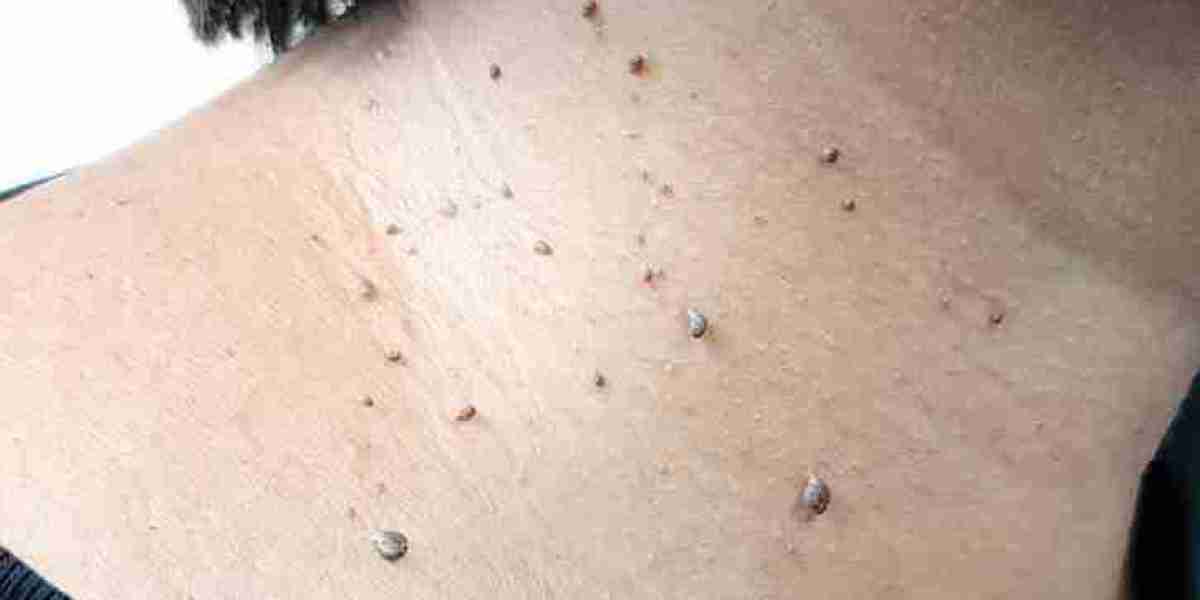
Skin tags are small, soft growths that commonly appear on areas where the skin experiences friction, such as the neck, underarms, eyelids and other skin folds. Although they are often harmless, some people choose to have them removed because they catch on clothing or jewellery, interfere with shaving, or simply affect the appearance of the skin.
Before any removal procedure, however, the first step is usually an assessment. For people considering Skin Tag Removal in London, understanding how a skin tag is evaluated can help explain why a consultation is an important part of the treatment process.
A professional assessment allows the practitioner to examine the growth, consider its characteristics and determine whether it appears suitable for skin tag treatment. At bodyvie clinic, patients can discuss their concerns and receive an individual assessment before deciding on an appropriate treatment approach.
This article explores how skin tags are assessed before removal, what happens during a consultation and what patients can expect from the treatment planning process.
What Is a Skin Tag?
A skin tag is a small, benign growth of skin that often appears as a soft, flesh-coloured or slightly darker projection from the skin. It may have a narrow stalk or a broader base.
Skin tags can vary considerably in size and appearance. Some are very small and flat, while others can become more noticeable over time.
They commonly occur in areas where skin rubs against skin or clothing. Typical locations include the neck, underarms, groin and eyelids.
While many skin tags are straightforward to identify, not every skin growth is necessarily a skin tag. This is why assessment should take place before removal.
Why Are Skin Tags Assessed Before Removal?
The purpose of assessment is to establish what type of skin growth is being examined and whether removal is appropriate.
A practitioner may evaluate the growth's:
- Size
- Shape
- Colour
- Surface appearance
- Position
- Attachment to the skin
- Changes over time
The practitioner may also ask whether the growth has changed in appearance or caused any particular symptoms.
This information helps determine the most appropriate next step and whether the growth can be treated within the clinic or requires further medical assessment.
What Happens During a Skin Tag Consultation?
A consultation generally begins with a discussion about the skin growth and the reason the patient wants it removed.
You may be asked when you first noticed the skin tag and whether it has changed in size, shape or colour.
The practitioner then examines the area closely. Depending on the location and appearance of the growth, the assessment may involve visual examination under suitable lighting or the use of magnification.
The consultation is also an opportunity to discuss the available removal options and what the treatment process involves.
Examining the Appearance of the Growth
Visual examination is an important part of Skin Tag Treatment London.
The practitioner looks at characteristics such as the colour, texture, shape and surface of the growth.
A typical skin tag often has a soft appearance and may project from the surrounding skin. However, skin lesions can have different appearances, which is why professional evaluation is useful.
The practitioner will consider whether the growth has features consistent with a skin tag before discussing removal.
Assessing the Size and Shape
The size and shape of a skin tag can influence how it is approached.
A very small growth may require a different removal technique from a larger growth with a wider attachment.
The practitioner considers the dimensions and structure of the skin tag when planning treatment.
The location is also relevant. A skin tag close to the eye, for example, requires particularly careful assessment because of the sensitivity of the surrounding area.
Assessing the Colour
Colour is another characteristic considered during an assessment.
Skin tags may be similar in colour to the surrounding skin, although they can also appear somewhat darker.
The practitioner evaluates the colour in combination with other characteristics rather than relying on colour alone.
If the appearance does not correspond with what would normally be expected of a skin tag, further evaluation may be appropriate before removal is considered.
Checking for Changes Over Time
The practitioner may ask whether the skin tag has changed.
Useful information can include whether it has become larger, changed colour, altered shape or developed a different surface appearance.
Patients should mention any noticeable changes, even if they seem minor.
Keeping track of changes can help the practitioner understand the history of the growth and decide whether routine removal is appropriate.
Assessing the Location
The location of a skin tag is an important part of treatment planning.
Skin tags commonly appear on areas such as:
- Neck
- Underarms
- Eyelids
- Chest
- Groin
- Other skin folds
A practitioner considers the surrounding skin and the accessibility of the growth when deciding how it may be treated.
Certain areas may require a more carefully planned approach because of their anatomy or proximity to sensitive structures.
Reviewing Your Medical History
Before Skin Tag Removal in London, the practitioner may ask questions about your general medical history.
This can include information about medications, previous procedures, skin conditions and other relevant health information.
Providing accurate information helps the practitioner determine whether treatment is appropriate and whether any adjustments to the treatment plan are needed.
Patients should also mention previous treatment of the same skin growth if applicable.
Discussing Previous Skin Treatments
If you have previously had dermatological or aesthetic treatments in the area, it is useful to tell the practitioner.
Previous procedures may include laser treatments, cryotherapy, cautery or other methods of skin lesion removal.
Knowing the treatment history can help the practitioner understand the current condition of the skin and plan the next step appropriately.
How Does the Practitioner Decide Whether Removal Is Suitable?
After examining the growth and reviewing the relevant information, the practitioner can determine whether it appears suitable for removal.
If the lesion has characteristics consistent with a typical skin tag, an appropriate removal method may be discussed.
If the growth does not appear typical or the diagnosis is uncertain, the practitioner may recommend further assessment before proceeding.
This step is important because the objective is not simply to remove any skin growth, but to ensure that the correct type of lesion is being considered for treatment.
What If the Growth Does Not Look Like a Skin Tag?
Not every small growth on the skin is a skin tag.
Other types of skin lesions can sometimes resemble skin tags, particularly when they are small or located in skin folds.
If the practitioner is uncertain about the diagnosis, removal may not be performed immediately. Instead, further medical assessment may be recommended.
This is one of the key reasons why professional assessment should take place before attempting removal.
Discussing the Removal Method
Once the growth has been assessed and determined to be suitable for treatment, the practitioner can discuss the available removal method.
The technique depends on the size, structure and location of the skin tag.
Depending on the clinical assessment, removal may involve techniques such as cutting, cautery or other methods appropriate for the specific lesion.
The practitioner should explain the recommended approach and why it has been selected.
What Is Skin Tag Treatment London?
Skin Tag Treatment London refers to professional assessment and treatment of skin tags by an appropriate medical or dermatological provider.
Treatment is tailored according to the characteristics of the individual skin tag.
Rather than using the same technique for every growth, the practitioner considers factors such as size, location and structure before determining the most suitable approach.
The process therefore begins with diagnosis and assessment rather than immediate removal.
What Happens Before the Removal Procedure?
Before removal, the treatment area is prepared according to the clinic's procedure.
The practitioner confirms the skin tag being treated and reviews the planned removal technique.
Depending on the method, local anaesthetic or another form of comfort measure may be used where appropriate.
The area is then treated using the selected technique.
The exact process depends on the individual skin tag and the removal method recommended during the consultation.
Can Multiple Skin Tags Be Assessed?
Yes. Patients may have several skin tags in different areas.
If multiple growths are present, the practitioner can assess each one individually rather than automatically assuming that every growth has the same characteristics.
This can be particularly useful when skin tags appear in different areas of the body.
The practitioner can then determine which growths are suitable for treatment and whether they can be addressed during the same treatment plan.
Why Professional Assessment Is Important for Eyelid Skin Tags
Skin tags can sometimes occur around the eyelids, where the skin is particularly delicate.
Because the area is close to the eye, assessment and treatment require an appropriately trained practitioner.
The practitioner can determine whether the growth is consistent with a skin tag and whether treatment is suitable for the location.
Patients should avoid attempting to remove growths around the eyes themselves.
What Should You Tell the Practitioner?
During your consultation, provide as much relevant information as possible.
Tell the practitioner:
- When you first noticed the growth
- Whether it has changed
- Whether you have had previous treatment
- Whether you have similar growths elsewhere
- Which medications or supplements you take
- Whether you have any relevant skin conditions
This information can help create a more complete picture of the skin growth.
Choosing a Skin Tag Removal Clinic London
Choosing an appropriate Skin Tag Removal Clinic London is an important part of the treatment process.
Patients should look for a clinic with suitably qualified practitioners, an appropriate consultation process and clear information about treatment and aftercare.
At bodyvie clinic, patients can discuss their skin concerns and undergo an assessment before a suitable treatment plan is considered.
A professional consultation should provide an opportunity to understand the diagnosis, proposed removal method and what to expect from the treatment.
What Questions Should You Ask?
Patients can prepare for their consultation by writing down questions in advance.
Useful questions include:
- Does this growth appear to be a skin tag?
- What characteristics did you assess?
- Is removal appropriate?
- Which removal technique do you recommend?
- Why is this method suitable?
- How long will the treatment take?
- What should I expect after removal?
- When can I return to my normal activities?
- Will I need a follow-up appointment?
- Should any further assessment be performed?
Having these questions ready can help you make the most of the consultation.
Preparing for Skin Tag Removal
Preparation depends on the removal method and the individual treatment plan.
Patients should follow any instructions provided by the clinic before their appointment.
It is also important to provide accurate information about current medications and previous treatments.
If you have multiple skin growths, it can be useful to identify all the areas you would like assessed during the consultation.
What Happens After the Assessment?
Following the assessment, the practitioner will explain the recommended next step.
If the growth is suitable for removal, the treatment can be planned according to its characteristics and location.
If additional assessment is needed, the practitioner can explain why and what type of evaluation may be appropriate.
This approach ensures that treatment decisions are based on professional examination rather than assumptions about the appearance of the growth.
Why You Should Not Remove Skin Tags Yourself
Although skin tags may look simple to remove, attempting to cut, burn or otherwise remove a skin growth yourself is not recommended.
A growth that appears to be a skin tag may not always be one, and removing an undiagnosed lesion can interfere with subsequent assessment.
Professional evaluation also allows the practitioner to select an appropriate removal method based on the location and characteristics of the growth.
Understanding the Overall Treatment Journey
The process of Skin Tag Removal in London generally begins with assessment rather than removal itself.
First, the practitioner discusses the patient's concerns and examines the growth. The characteristics and history of the lesion are then considered.
Once the practitioner determines that it is appropriate to proceed, the removal method can be selected and the treatment area prepared.
Aftercare instructions are then provided according to the removal technique used.
Understanding these stages can help patients approach their appointment with realistic expectations.
Conclusion
Skin Tag Removal in London begins with careful assessment to determine whether a growth is consistent with a skin tag and whether removal is appropriate.
During the consultation, the practitioner may assess the size, shape, colour, surface, location and history of the growth. Medical history and previous skin treatments may also be discussed. This information helps the practitioner develop an appropriate treatment plan.
Skin Tag Treatment London can involve different removal techniques depending on the characteristics and location of the skin tag. Professional assessment is particularly important when growths appear in delicate areas such as the eyelids.
For anyone considering treatment, choosing an appropriate Skin Tag Removal Clinic London, such as bodyvie clinic, and attending a professional consultation can help ensure that the growth is properly assessed before removal is planned.
FAQs
How are skin tags assessed before removal?
A practitioner typically examines the growth's size, shape, colour, texture, location and attachment to the skin. They may also ask about how long it has been present and whether it has changed.
Why is assessment necessary before Skin Tag Removal in London?
Assessment helps determine whether the growth appears to be a skin tag and whether removal is appropriate. Other skin lesions can sometimes resemble skin tags, so professional evaluation is important.
What happens during a Skin Tag Treatment London consultation?
The practitioner discusses your concerns, examines the skin growth and reviews relevant medical history. If the growth appears suitable for removal, the practitioner can explain the recommended treatment method.
Can all skin tags be removed?
Many typical skin tags can be treated, but suitability depends on their characteristics, location and the practitioner's assessment. If a growth is unusual or the diagnosis is uncertain, further assessment may be recommended.
Can skin tags appear on the eyelids?
Yes, skin tags can occur around the eyelids. Because the area is close to the eyes, professional assessment and treatment are particularly important.
Will the practitioner assess multiple skin tags?
Yes. Multiple growths can be assessed individually to determine whether each one appears consistent with a skin tag and whether treatment is appropriate.
What information should I provide during my consultation?
Tell the practitioner when you noticed the growth, whether it has changed, any previous treatment and relevant information about medications, supplements and skin conditions.
How do I choose a Skin Tag Removal Clinic London?
Consider the qualifications and experience of the practitioner, the clinic's consultation process, treatment options and aftercare information. A proper assessment should take place before removal.
Can I remove a skin tag myself?
It is better to have a skin growth assessed and treated professionally rather than attempting removal yourself. A professional can first determine whether the growth is actually a skin tag and select an appropriate treatment method.
What happens after a skin tag is assessed?
If the growth is considered suitable for removal, the practitioner can recommend an appropriate technique and explain the treatment process. If the appearance is uncertain, further assessment may be recommended before removal.