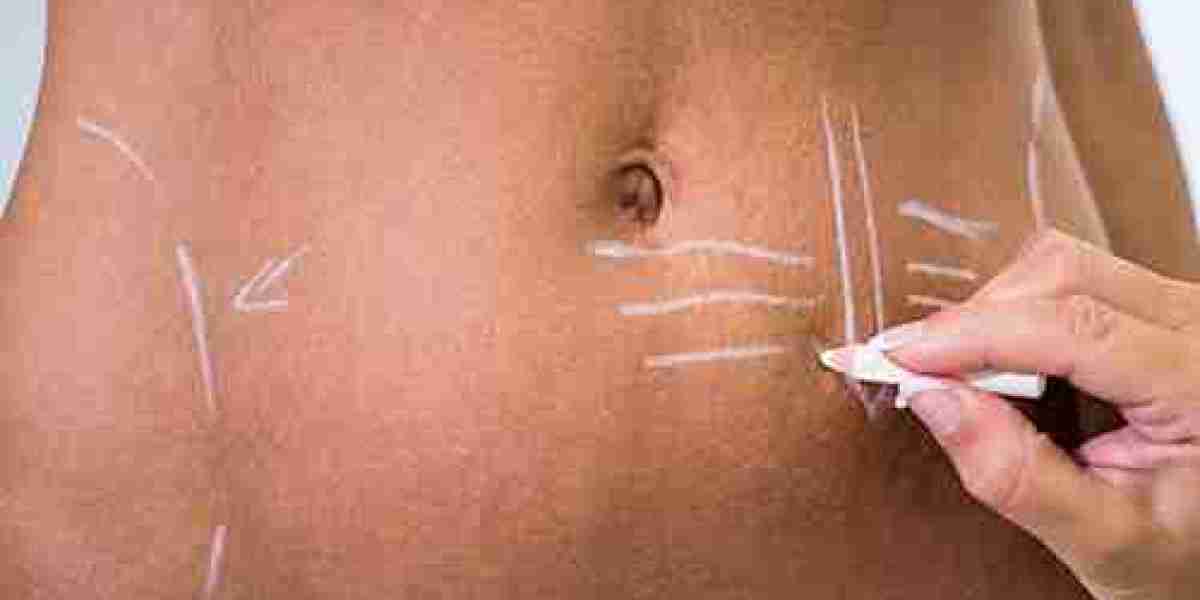
A flatter, firmer abdomen is a common cosmetic goal, particularly for people who have experienced pregnancy, weight changes, or natural changes in skin elasticity. While exercise and healthy eating can improve abdominal strength and body composition, they may not fully address excess lower-abdominal skin or certain changes in the abdominal wall. A Mini Tummy Tuck is one surgical option designed specifically for selected concerns concentrated below the belly button.
Unlike a full abdominoplasty, a mini tummy tuck generally focuses on the lower portion of the abdomen. However, it is not suitable for everyone, and it should not be viewed as a simple alternative to a full tummy tuck. Understanding both the advantages and limitations is important before making a decision.
What Is a Mini Tummy Tuck?
A mini tummy tuck, sometimes called a mini abdominoplasty, is a cosmetic surgical procedure intended to improve the appearance of the lower abdomen. It typically involves removing a limited amount of excess skin and may include tightening of the lower abdominal tissues or muscles when clinically appropriate.
The exact technique depends on individual anatomy, skin quality, muscle condition, previous surgeries, and the amount and location of excess tissue. A qualified surgical assessment is therefore essential before treatment.
Benefits of a Mini Tummy Tuck
1. Improves Loose Lower-Abdominal Skin
One of the primary benefits is the removal of excess skin concentrated in the lower abdomen. This may create a smoother and firmer abdominal contour.
It can be particularly helpful when loose skin remains despite maintaining a stable weight and following a healthy lifestyle.
2. Smaller Treatment Area
Because a mini tummy tuck focuses mainly on the lower abdomen, the surgical area can be more limited than with a full tummy tuck. This may make it appropriate for people whose concerns are localized rather than affecting the entire abdominal region.
However, a smaller procedure does not automatically mean that everyone will have a shorter or easier recovery.
3. Can Improve Abdominal Contouring
A mini tummy tuck can enhance the transition between the lower abdomen and surrounding body contours. When appropriately selected, patients may notice a firmer and more streamlined appearance.
The outcome depends on factors such as skin elasticity, body shape, tissue distribution, and postoperative healing.
4. May Address Certain Muscle Laxity
In selected patients, the procedure may involve tightening weakened or separated tissues in the lower abdominal area. Whether muscle repair is necessary depends on the individual's anatomy and surgical plan.
A consultation is important because significant abdominal muscle separation extending above the lower abdomen may require a different approach.
5. Can Complement a Healthy Lifestyle
A mini tummy tuck is a body-contouring procedure rather than a weight-loss treatment. People who maintain a healthy lifestyle and stable body weight may use surgery to address residual loose skin that does not respond to diet and exercise.
Limitations of a Mini Tummy Tuck
1. It Does Not Treat the Entire Abdomen
The biggest limitation is its limited treatment area. A mini tummy tuck primarily addresses the lower abdomen. It may not adequately correct loose skin or muscle laxity extending above the belly button.
Someone with significant upper-abdominal skin excess may be better suited to a full tummy tuck or another procedure.
2. It Is Not a Weight-Loss Procedure
A mini tummy tuck does not replace weight management. It is designed to reshape and contour the abdomen rather than produce substantial weight loss.
Patients should generally discuss achieving a stable, healthy weight before elective body-contouring surgery.
3. Results Vary Between Individuals
No cosmetic surgery can guarantee identical results for every patient. Skin elasticity, age, genetics, previous pregnancies, weight fluctuations, smoking status, and healing characteristics can influence the final appearance.
Realistic expectations are an important part of informed consent.
4. It Leaves a Surgical Scar
Although the incision may be positioned low on the abdomen and designed to be concealed beneath clothing or underwear, a scar remains a normal part of the healing process.
Scar appearance can change considerably over time. Proper aftercare and following postoperative instructions can support appropriate healing.
5. Recovery Is Still Required
A mini tummy tuck is surgery, so patients should expect some swelling, discomfort, restricted activity, and a period of healing. Returning to strenuous exercise too quickly may interfere with recovery.
The surgeon's individual instructions should always take priority over general online advice.
Mini Tummy Tuck vs Full Tummy Tuck
The key difference is the extent of correction. A mini tummy tuck is generally intended for concerns limited mainly to the lower abdomen, while a full tummy tuck can address a broader area of excess skin and abdominal-wall laxity.
Neither procedure is universally better. The appropriate option depends on the patient's anatomy and goals. During an assessment, the surgeon can determine whether a mini procedure can realistically achieve the desired improvement.
Who May Be Suitable for a Mini Tummy Tuck?
Potential candidates are generally people with localized excess lower-abdominal skin, relatively stable weight, realistic expectations, and overall health appropriate for elective surgery.
People considering pregnancy or significant future weight loss should discuss their plans during consultation because these changes can affect surgical results.
Choosing a Clinic for Mini Tummy Tuck
Choosing an experienced and reputable clinic is an important part of the process. Tajmeels clinic can provide a consultation-based approach in which the patient's abdominal concerns, expectations, medical background, and treatment goals are considered before recommending an appropriate option.
Rather than selecting a procedure solely because it is described as “mini,” patients should seek an individualized assessment and understand the expected benefits, limitations, risks, recovery requirements, and alternatives.
Conclusion
A mini tummy tuck can be an effective option for people who have excess skin or contour concerns mainly in the lower abdomen. Its potential benefits include improved lower-abdominal firmness, refined body contouring, and a more targeted surgical approach. At the same time, it has important limitations: it does not provide comprehensive correction of the entire abdomen, is not a weight-loss treatment, requires recovery, and leaves a scar.
The most important step is determining whether the procedure matches your individual anatomy and goals. A professional consultation can help you understand whether a mini tummy tuck—or another body-contouring option—is the most suitable choice.
More Information
Tajmeels Clinic Dubai
WhatsApp: +971 56 203 8751
Phone: +971 4 373 9000
Social Media: