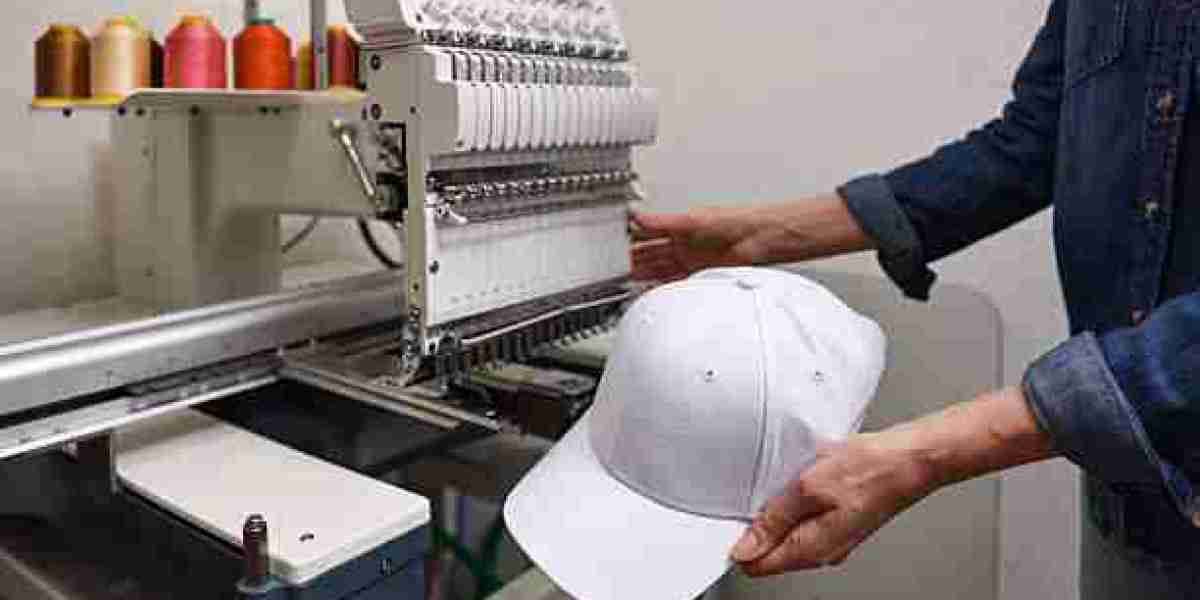
Ordering embroidered apparel sounds straightforward until the finished pieces show up and the logo looks like a blurry blob of thread. It happens more than people expect. Bad artwork, the wrong fabric, skipping a proof, rushing the timeline, all of these mistakes cost real money and real time. If you're planning an order for your business, team, or event, it's worth knowing what goes wrong before you commit to a bulk run. Finding a reliable shop that handles Embroidery Printing in Glendora CA is only half the battle. The other half is making sure your files, fabric choices, and expectations are set up correctly from the start.
Your Logo Probably Wasn't Built for Stitches
This is the most common problem. A logo designed for print or a website uses gradients, thin lines, tiny details, and sometimes text that's only a few points tall. None of that translates cleanly into thread. Stitches have physical size. They can't replicate a 1-pixel line or a smooth color fade. When a digitizer tries to force that kind of detail into an embroidery file, the result is a dense, muddy mess that doesn't look like the original at all.
Low-resolution files make this worse. Sending a 72 dpi JPEG pulled from your website gives the digitizer almost nothing to work with. You want a vector file if you have one, something like an SVG or an AI file. If you don't have one, a high-resolution PNG at 300 dpi or better is the next best thing. Getting this right upfront saves you a back-and-forth that can add days to your order.
Also think about size. A logo that's detailed and works great at six inches wide might fall apart at two inches. Tiny text especially. Anything under about a quarter inch tall tends to collapse into a line of knotted thread. If your design has text that small, you may need to simplify it or cut it out entirely at smaller placements.
Fabric and Backing Are Not an Afterthought
The garment you're stitching on changes everything. Stretchy fabrics, like athletic jerseys or moisture-wicking polos, require a stabilizer backing that controls how much the fabric moves under the needle. Skip that, and the design pulls and puckers once the hoop is removed. Not a great look on 200 jerseys.
Thick fabrics like heavy fleece or canvas can swallow stitches, making fine detail disappear. Thin fabrics like lightweight tees can't support high stitch counts without warping. Knit fabrics have stretch in multiple directions, which matters a lot for placement. The shop you're working with should ask about your garment fabric before they finalize the digitizing. If they don't ask, bring it up yourself. It matters more than most people realize.
Placement also matters more than people think. Embroidery near seams, zippers, or pockets creates real problems because the hoop can't sit flat. A design that looks perfect on the center of a chest can get distorted when it's placed two inches too close to a zipper placket. Think about this before you spec out a design position, especially on jackets and bags.
Too Many Colors, Too Little Space
Thread color changes cost money and slow down production. Each color typically requires a stop-and-restart on the machine. Most shops charge by the number of thread colors in a design, so using twelve colors when six would work fine adds up fast. Simplify where you can. Pick your core brand colors and stay there.
The history of embroidery as a craft is built around working within constraints, and modern machine embroidery is no different. Trying to recreate a photorealistic logo with gradients in thread is a losing battle. The best embroidery designs are clean, bold, and a little simplified. They're built to look good in thread, not to match a Pantone swatch exactly.
Color blending tricks exist, like using lighter and darker thread tones side by side, but those techniques add complexity and cost. For most business orders, a clean design with a handful of well-chosen colors will look sharper and cost less than a design trying to mimic something it can't.
Skipping the Proof Is How Bulk Orders Go Wrong
A digitized proof is a preview of how your design will look as an embroidery file. A stitch-out sample is an actual physical test run on fabric. Both exist for a reason. Skipping either one to save time or money before a large order is the kind of shortcut that ends up costing three times as much to fix.
If you're ordering Custom Embroidery in Glendora CA for a company event or team uniforms, ask for a physical stitch-out before the full run. Yes, it adds a step. But you get to see the actual thread colors on the actual fabric in actual light, not just a PDF mockup. Colors shift under different lighting. Thread sheen looks different from screen colors. Finding that out on one shirt beats finding it out on 150.
HGFX Inc. is one local option that handles digitizing and stitch-outs before bulk runs, which is exactly the kind of service worth looking for when you're placing a large order for the first time.
Timing and Minimums Will Surprise You
People underestimate how long embroidery takes. Rush orders exist, but they cost more and they aren't always possible depending on shop capacity. A typical order of embroidered polos or hats might take one to two weeks from artwork approval to shipping. Add in back-and-forth on the proof, and that timeline stretches. If you need items for an event, build in buffer time. Two weeks minimum, three is better for large orders.
Minimum order quantities are another area where people get caught off guard. Some shops require a minimum of six pieces, some require twelve, some require more. Ordering below the minimum often means paying a setup fee that makes the per-piece cost surprisingly high. If you only need four custom pieces, that's fine, but know going in that the per-piece price won't reflect bulk rates. Getting quotes for a few different order sizes helps you understand where the pricing actually breaks.
Garment shrinkage is one more thing worth mentioning. If you're ordering blanks that will be washed before wearing, keep in mind that some fabrics shrink a bit. A design placed at what seems like the right spot on an unwashed shirt might sit slightly off after the first wash. Ask your shop whether to account for this, especially on cotton-heavy items. It's a small thing that matters on uniforms where consistency is the whole point.
The second time you place an order for Embroidery Printing in Glendora CA, you'll know most of this already. But the first time, these are exactly the details that sneak up on people and turn a straightforward project into a headache. Getting the artwork right, picking the correct fabric and backing, reviewing a proof, and giving yourself enough lead time, those four things alone will put your order ahead of most first-timers. And when it all comes together, embroidered apparel looks genuinely good in a way that screen printing or transfers can't quite match.
For Custom Embroidery in Glendora CA or anywhere nearby, the shops worth working with will ask the right questions before they accept your file. If they don't, you might want to ask those questions yourself.
Frequently Asked Questions
What file format should I submit for embroidery?
Vector files like SVG or AI are best. If you don't have one, a high-resolution PNG at 300 dpi or higher works. Avoid small JPEGs from websites. The cleaner and larger the file, the more accurately the digitizer can build your stitch file.
How small can text be in an embroidery design?
Anything under roughly a quarter inch tall starts to lose legibility. Very small text turns into a line of thread that reads as noise rather than letters. If your design has tiny text, the cleaner move is usually to cut it or simplify it for embroidered pieces.
Why does the thread color look different from my logo's color?
Thread is a physical material with sheen, and it reflects light differently than ink on a screen. Colors look different in different lighting conditions too. This is exactly why a physical stitch-out sample matters. It lets you approve actual thread colors on actual fabric before the full run.
Do I need a minimum order quantity for custom embroidery?
Most shops do have minimums, often somewhere between six and twelve pieces. Ordering fewer than the minimum is sometimes possible, but you'll usually pay a setup fee that raises the per-piece cost significantly. Get quotes at a few different quantities to find where the pricing makes sense for your budget.
Can I embroider on any type of fabric?
Pretty much any woven or knit fabric can be embroidered, but some are trickier than others. Stretchy fabrics need the right backing to stay stable. Very thin fabrics can't handle high stitch counts without warping. Very thick fabrics can hide fine detail. Tell your shop what garment you're using before they start digitizing, so they can set up the file correctly for that specific material.