A hazardous gas leak at a chemical plant or a CBRN incident near an underground bunker can unfold within minutes. In these situations, the ventilation system must isolate contaminated air immediately to protect occupants and critical equipment. A gas tight valve is designed for this exact purpose, but even the best-engineered valve cannot guarantee protection if it has not been inspected and tested regularly. Routine testing ensures the valve will perform when lives depend on it, making maintenance just as important as the initial installation.
What is a Gas Tight Valve?
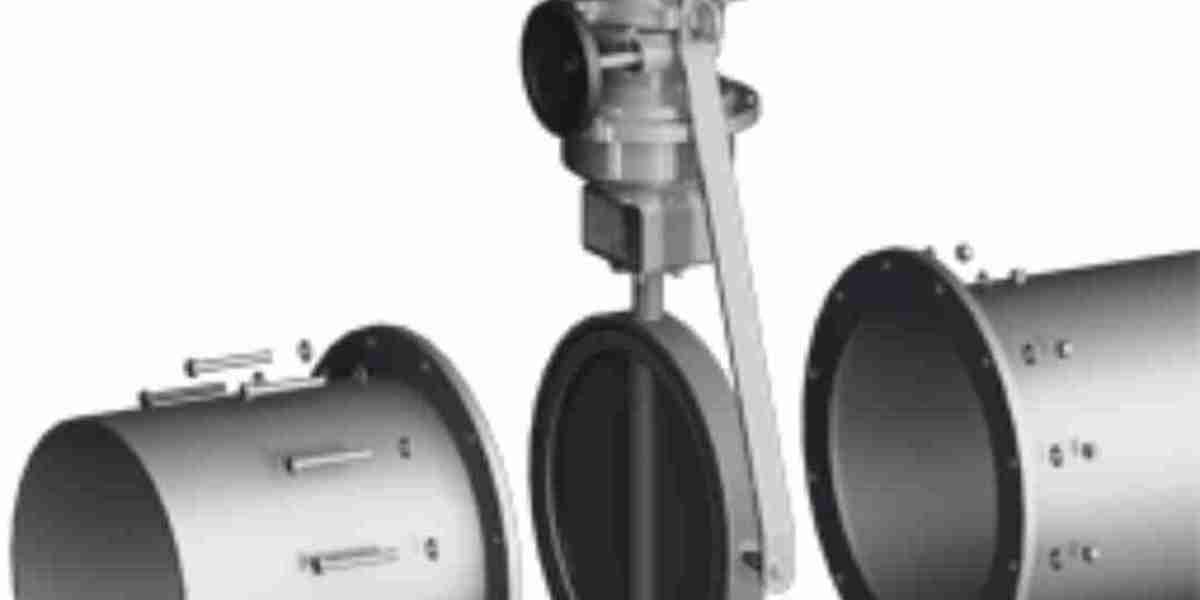
A gas tight valve is a specialised isolation device used in ventilation and filtration systems to create an airtight barrier during emergencies. Unlike conventional dampers that primarily regulate airflow, gas tight valves are engineered for extremely low leakage rates, preventing hazardous gases from entering protected spaces.
These valves are essential in gas tight valve CBRN shelter systems, underground bunkers, industrial plants, and critical infrastructure where contamination control is a priority. Their purpose is to isolate sections of the ventilation network, maintain positive pressure, and preserve safe indoor air quality during chemical, biological, radiological, or industrial emergencies.
How Gas Tight Valves Work
Under normal operating conditions, a gas tight valve remains open, allowing fresh air to circulate through the ventilation system. When contamination is detected or emergency isolation is required, the valve closes rapidly to stop airflow.
The valve may be operated manually using a handle or automatically through an electric actuator, pneumatic actuator, or spring-return mechanism. Spring-return systems offer additional protection by automatically sealing the valve during a power failure.
As the valve closes, precision-machined sealing surfaces compress against durable sealing gaskets to form an airtight barrier with extremely low leakage. The valve remains securely closed until authorised personnel reopen it once conditions are safe.
How Often Should Gas Tight Valves Be Tested?
There is no single testing interval suitable for every installation because inspection schedules depend on the facility type, operating environment, regulatory requirements, and manufacturer recommendations.
For high-risk facilities such as military shelters, chemical processing plants, pharmaceutical manufacturing units, and nuclear installations, routine operational checks should be incorporated into the preventive maintenance programme. Functional testing should verify that the valve opens and closes smoothly, actuators respond correctly, and sealing surfaces remain undamaged.
Periodic leak testing is equally important. Leakage validation confirms that the valve continues to meet its specified sealing performance after years of service. Facilities operating under strict safety protocols often schedule more frequent testing because valve performance directly affects occupant protection during emergencies.
Any valve that has experienced an emergency activation, mechanical impact, corrosion, or major maintenance work should also be inspected and tested before returning to normal service.
Key Features That Support Long-Term Reliability
Regular testing helps verify that the valve continues to deliver its intended performance throughout its operational life.
Excellent sealing efficiency ensures extremely low leakage rates and helps maintain positive pressure inside protected facilities.
Pressure-resistant construction allows the valve to withstand varying operating conditions without affecting sealing performance.
Corrosion-resistant materials protect against moisture, aggressive chemicals, and harsh environmental conditions commonly found in industrial plants and underground infrastructure.
Reliable manual, electric, and pneumatic actuation ensures dependable operation during routine inspections and emergency shutdowns.
Durable construction enables repeated operational cycles without excessive wear, while compatibility with filtration equipment, overpressure systems, blast protection components, and gas tight valve HVAC installations ensures seamless integration into complete protective ventilation systems.
Where Gas Tight Valves are Used
Gas tight valves are installed wherever reliable contamination control is essential.
Defence and civil protection organisations use gas tight valve for bunker ventilation systems in military shelters, underground command centres, emergency response facilities, and protected government infrastructure.
Within gas tight valve HVAC systems, these valves isolate ventilation zones while supporting advanced filtration systems and positive-pressure operation.
Industrial facilities including chemical plants, oil refineries, pharmaceutical manufacturing units, and hazardous material storage facilities rely on gas tight valves to prevent contaminated air from spreading during emergencies.
Critical infrastructure such as nuclear facilities, research laboratories, biotechnology centres, and high-security installations also depends on certified gas tight valves to maintain controlled environments.
Factors Affecting Gas Tight Valve Price in India
The gas tight valve price depends on several engineering and performance factors.
Material quality plays a major role. Stainless steel construction with enhanced corrosion protection generally provides longer service life and improved durability.
The selected actuation method also influences pricing. Manual valves usually have lower initial costs, while electric and pneumatic actuators offer greater automation and remote operation.
Certified leakage-rate performance, precision manufacturing, and rigorous factory testing increase production costs but improve long-term reliability.
Custom engineering for specialised duct sizes, pressure ratings, compliance requirements, and installation complexity can further affect the overall project cost.
How to Choose a Gas Tight Valve Manufacturer in India
Selecting an experienced gas tight valve manufacturer is essential for dependable long-term performance.
Look for manufacturers with expertise in CBRN protection, industrial ventilation, defence infrastructure, and contamination control systems. Their ability to integrate valves with filtration equipment and overpressure systems demonstrates valuable engineering capability.
Ensure the manufacturer performs documented leakage-rate testing, pressure validation, and comprehensive quality assurance before delivery.
Customisation capability, technical documentation, commissioning support, preventive maintenance guidance, spare parts availability, and responsive after-sales service all contribute to long-term operational reliability.
The Sigma Power Tech Gas tight valve is engineered to support demanding industrial and defence applications with precision sealing, robust construction, and dependable integration into protective ventilation systems.
Common Mistakes to Avoid
Many facilities focus only on purchasing high-quality equipment while overlooking regular testing and preventive maintenance.
Another common mistake is failing to verify compatibility with HVAC systems, filtration units, and overpressure equipment.
Ignoring actuator performance during power failures may compromise emergency response capability.
Using conventional ventilation dampers instead of certified gas tight valves in high-risk facilities significantly reduces contamination protection.
Finally, postponing leak testing, gasket inspections, and actuator maintenance can gradually reduce sealing performance and increase operational risk.
Conclusion
Gas tight valves should be tested as part of a structured preventive maintenance programme based on the facility's operating conditions, safety requirements, and manufacturer recommendations. Regular functional inspections and periodic leakage validation help ensure the valve continues to provide dependable airtight isolation throughout its service life.
Whether protecting a gas tight valve for bunker, a gas tight valve CBRN shelter, or an advanced gas tight valve HVAC system, consistent testing is just as important as selecting the right equipment. The Sigma Power Tech Gas tight valve combines precision engineering, reliable sealing performance, and durable construction, helping organisations maintain contamination control, safeguard occupants, and strengthen the resilience of critical industrial and defence infrastructure.