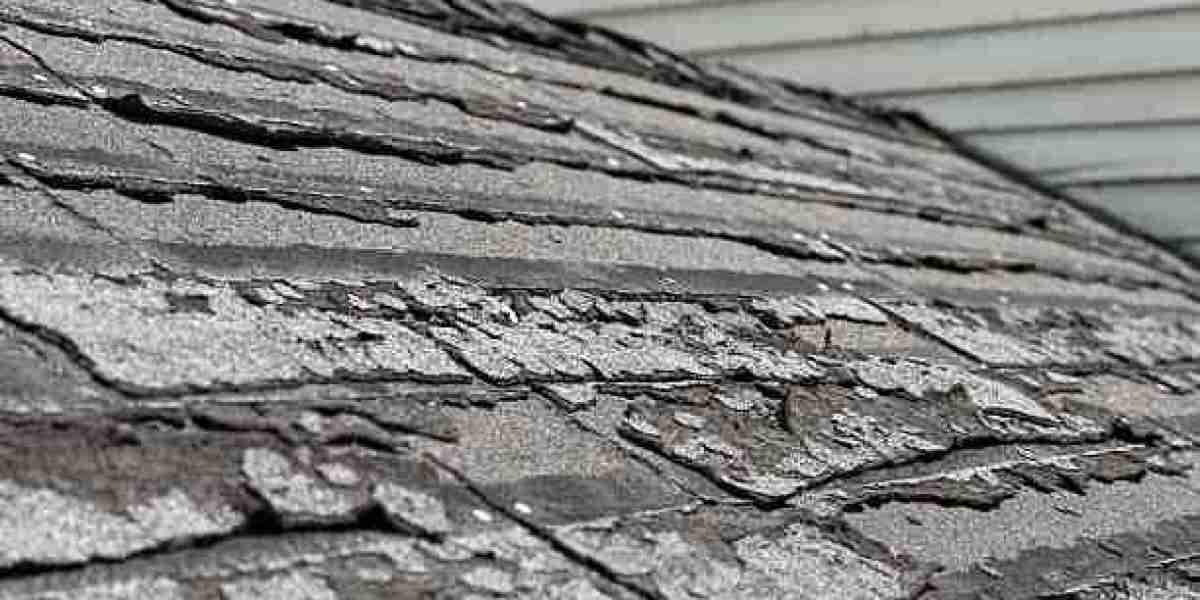
Something looks off. Maybe the roofline doesn't sit quite right anymore, or there's a crack running across your ceiling that wasn't there six months ago. Most homeowners shrug these things off as normal settling. Sometimes that's true. But sometimes those little changes are pointing at something a lot more serious underneath your roof deck. Roof trusses carry the entire weight of your roof, and when they start to fail, the warning signs can show up in places you'd never expect. If you're in northeast Florida and you've noticed anything unusual, getting a Damage Truss Evaluation in Green Cove Springs FL is the smartest first move you can make before the problem gets expensive or dangerous.
1. Your Roofline Is Sagging or Bowing
Stand at the end of your driveway and look straight at the roof. It should form a clean, straight line from one end to the other. If it dips in the middle, curves in a way that looks wrong, or has a wave to it, that's not cosmetic. Sagging along the roofline almost always points to load-bearing failure somewhere in the truss system below the shingles.
Trusses are engineered to distribute weight evenly across the whole roof. When one or more members weaken, the load shifts, and the roof literally starts to drop in the compromised area. This can happen gradually over years, which is why people miss it. But it can also speed up fast after a heavy storm or an unusually wet season, especially here in Florida where humidity does a number on wood over time.
Don't wait on this one. A sagging roofline isn't a "keep an eye on it" situation. It's a call-a-professional-today situation.
2. Cracked, Split, or Separated Members in the Attic
Get a flashlight and go up into your attic. Seriously, do it. Most homeowners never look up there, and that's exactly why truss damage goes undetected for so long. What you're looking for are cracks running across the wood members, splits along the grain, or any place where two pieces have pulled apart at a joint or connector plate.
Small cracks might not look scary. They kind of look like the wood just dried out a little. But even a hairline fracture across a load-bearing truss member changes how that piece handles stress, and a truss system is only as strong as its weakest point. One compromised member pushes extra load onto the ones next to it, and from there the damage can spread faster than you'd think.
Pest damage is another thing to check for while you're up there. Termites and wood-boring beetles can hollow out a truss member from the inside, leaving it looking fine on the surface while it's essentially useless underneath. You can't always catch that with just a visual check, which is part of why a proper inspection matters.
3. Interior Ceiling Cracks That Follow a Pattern
Hairline cracks in drywall happen. Houses move a little, temperature swings cause expansion and contraction, and not every crack is a red flag. But there's a difference between random cosmetic cracking and cracks that follow a pattern. Pattern matters a lot here.
If you're seeing cracks that run diagonally from the corners of doorframes or windows, or cracks that seem to follow a line across the ceiling from one wall toward the center of the room, that's structural movement talking. It means the roof load is shifting in a way it shouldn't, and the ceiling is showing you where the stress is concentrating. You might also notice gaps opening up between the ceiling drywall and the wall, or between the wall and the trim. These aren't cosmetic fixes.
According to Wikipedia's overview of roof truss engineering, trusses are designed to carry loads along specific load paths. When those paths get disrupted by a damaged member, the forces have to go somewhere else, and that "somewhere else" is usually visible in the walls and ceilings below.
4. Doors and Windows That Suddenly Stick or Won't Close Right
This one surprises a lot of people. Your roof and your doors, what do those have to do with each other? Quite a bit, actually. When roof trusses start to fail and the load shifts, it doesn't just stay up in the roof. It pushes down on the walls that are supporting the roof, and those walls transfer that extra pressure to the door and window frames inside them.
If a door that used to swing freely now drags on the floor, or a window that always opened smoothly now sticks or won't latch, and you haven't had any obvious reason for that change like a flood or major renovation, consider the roof. Same goes for gaps that appear at the top corners of door frames, or windows where the gap between the frame and the sash isn't even anymore. These are signs the building is racking, meaning the walls are being pushed slightly out of square by a load they weren't meant to carry.
Catching this early is the difference between a repair job and a major structural overhaul. All In Home Inspections LLC is one of the local options homeowners in this area use when they want a thorough look at what's actually going on structurally, not just a surface-level walk-through.
5. You're About to Sell, Renovate, or File an Insurance Claim
This warning sign isn't a physical symptom. It's a situation. Before any of those three life events, you really need to know the condition of your trusses. Selling a home with undisclosed truss damage can come back on you legally. Renovating without knowing about existing structural problems can make a repair project turn into a nightmare. And filing an insurance claim for storm damage without documentation of the pre-existing condition of your trusses? That's a recipe for a denied claim.
A Roof Truss Inspection in Green Cove Springs FL done before you list the house gives you real data to work with. If there's damage, you know about it and can price accordingly or fix it first. If there's no damage, you've got documentation that protects you. Either way, you're not flying blind.
The inspection process itself isn't complicated from a homeowner's standpoint. An inspector goes into the attic, checks each visible truss member for cracks, rot, pest damage, improper repairs, and connector plate separation. They also look at the overall geometry of the truss system to spot any members that have shifted out of position. You get a written report with photos. That report becomes your paper trail, whether you need it for a buyer, a contractor, or an insurance adjuster.
A Damage Truss Evaluation in Green Cove Springs FL follows a similar process, but with extra focus on identifying and documenting specific points of failure rather than just giving the system a general pass or fail. If there is damage, the report typically includes enough detail for a structural engineer or contractor to understand exactly what they're working with.
And a Roof Truss Inspection in Green Cove Springs FL done after a major storm is especially worth doing even if everything looks fine from the outside. Wind events can crack or shift truss members without moving a single shingle.
Frequently Asked Questions
How do I know if my roof trusses are actually damaged or if it's just normal settling?
Normal settling usually produces random, shallow cracks and doesn't affect how your doors and windows operate. If you're seeing sagging rooflines, patterned ceiling cracks, sticking doors, or visible damage in the attic, that goes beyond settling. The safest call is to have an inspector take a look rather than guess.
Can damaged roof trusses be repaired, or does the whole system have to be replaced?
It depends on the extent and location of the damage. Single cracked members can often be sistered, meaning a new piece of lumber is fastened alongside the damaged one to restore strength. More widespread damage, or damage to multiple adjacent members, might require a structural engineer to design a repair plan. Full replacement is less common but does happen in severe cases.
Is truss damage covered by homeowners insurance?
It can be, but it depends on the cause. Sudden damage from a storm, falling tree, or similar event is usually covered. Damage from long-term neglect, rot, or pests typically isn't. Having an inspection report that documents when the damage occurred and what caused it makes a real difference when you're dealing with an adjuster.
How long does a truss inspection take?
For most homes, plan on one to two hours. The inspector needs time to move through the attic carefully, photograph each truss bay, and check for anything that looks off. Bigger homes or homes with complicated roof geometry take longer. You'll usually get the written report within a day or two after.
Do I need to be home during the inspection?
It's a good idea to be there if you can. You can point out the specific areas that concerned you, ask questions in real time, and get a much clearer picture of what the inspector is finding as they find it. That said, most inspection companies can work around your schedule if being present isn't possible.