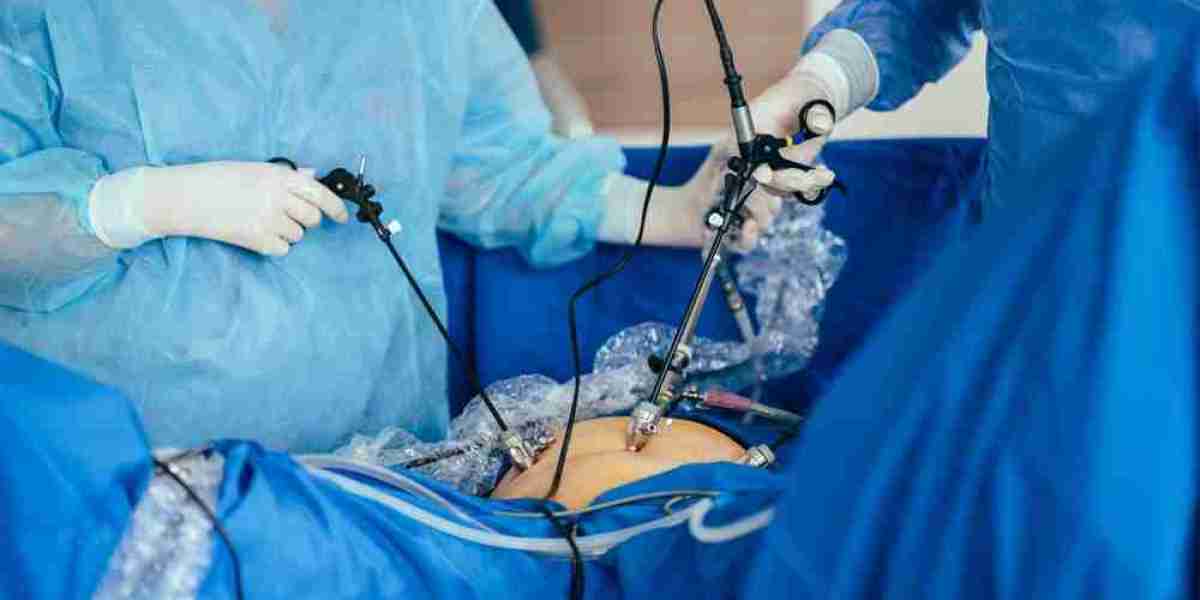
When patients are advised to undergo surgery, one of the most common questions is whether laparoscopic surgery in Islamabad or traditional open surgery is the better option. The answer depends on the medical condition, type of procedure, patient health, and surgeon’s assessment. Laparoscopic surgery uses small incisions and a camera to perform an operation, while traditional surgery generally requires a larger incision to directly access the treatment area.
For many suitable abdominal procedures, minimally invasive surgery can provide advantages such as less postoperative discomfort, smaller scars, shorter hospital stays, and faster recovery. However, open surgery remains an important option when the procedure is complex or laparoscopic access is not appropriate.
What Is Laparoscopic Surgery?
Laparoscopic surgery, often called keyhole or minimally invasive surgery, is performed through small openings in the abdomen. A laparoscope—a thin instrument with a camera—allows the surgeon to view internal structures on a monitor while specialized instruments are used to perform the procedure.
Depending on the operation, surgeons may make several small incisions rather than one larger incision. This approach can reduce the amount of tissue disruption associated with surgery.
Common procedures that may be performed laparoscopically include:
- Gallbladder removal
- Appendix surgery
- Certain hernia repairs
- Some gynecological procedures
- Selected gastrointestinal and abdominal operations
- Diagnostic abdominal procedures
Not every patient or procedure is suitable for laparoscopy, so an individualized surgical assessment remains essential.
What Is Traditional Open Surgery?
Traditional surgery, also known as open surgery, involves creating a larger incision that provides the surgeon with direct access to the area being treated. The size and location of the incision depend on the operation and the patient's anatomy.
Open surgery has been used successfully for many years and remains particularly valuable for complicated procedures, extensive disease, emergency situations, or cases where minimally invasive access may not provide adequate exposure.
Therefore, traditional surgery should not be considered an outdated technique. In appropriate circumstances, it can be the safest and most effective surgical approach.
Laparoscopic vs. Traditional Surgery: Key Differences
The most noticeable difference is the size of the incision. Laparoscopic procedures generally involve several small cuts, whereas open surgery usually requires a larger incision. Smaller incisions can mean less disruption to surrounding tissues and potentially smaller scars.
Pain and Postoperative Comfort
Patients often experience less postoperative pain after laparoscopic surgery because the incisions are smaller. Reduced discomfort may make it easier to move around and resume normal activities sooner.
However, pain varies according to the specific procedure, individual pain tolerance, anesthesia, and overall health. Laparoscopic surgery does not mean completely pain-free recovery.
Recovery Time
Recovery is another important distinction. Many laparoscopic procedures allow patients to return to everyday activities sooner than comparable open procedures. Evidence from comparative surgical research has demonstrated shorter hospital stays and faster return to normal activity for several laparoscopic procedures.
Recovery still differs from patient to patient. A straightforward laparoscopic operation may have a relatively quick recovery, while a complex procedure can require considerably more time.
Hospital Stay
Because laparoscopic surgery generally causes less tissue trauma, some patients can leave the hospital sooner. Certain laparoscopic procedures may even be performed as same-day surgery when medically appropriate.
Open surgery may require a longer hospital stay, particularly when the procedure is extensive or recovery needs to be closely monitored.
Scarring
Smaller laparoscopic incisions usually result in smaller scars than the larger incision associated with open surgery. For patients concerned about visible abdominal scarring, this can be an important consideration.
Nevertheless, scar formation depends on incision placement, healing ability, genetics, wound care, and the specific operation.
Is Laparoscopic Surgery Always Better?
No. Laparoscopic surgery is not automatically better for every patient.
The choice should consider:
- The type and severity of the condition
- Previous abdominal operations
- Existing scar tissue or adhesions
- Patient's general health
- Surgical complexity
- Available equipment
- Surgeon’s laparoscopic experience
- Safety of minimally invasive access
In some circumstances, a surgeon may begin laparoscopically but convert to open surgery if unexpected findings or complications make a larger incision safer. This possibility should be discussed before surgery.
Risks and Limitations of Laparoscopic Surgery
Although laparoscopic surgery has several potential benefits, it still carries surgical and anesthesia-related risks. Possible complications include bleeding, infection, injury to internal organs or blood vessels, and problems at incision sites.
Laparoscopic surgery can also take longer than open surgery for certain procedures. Furthermore, specialized equipment and advanced technical skills are required. These factors make surgeon expertise and appropriate patient selection important components of safe minimally invasive care.
Choosing the Right Surgical Approach
The best surgical technique is the one that provides effective treatment while prioritizing patient safety. Patients should ask their surgeon:
- Is laparoscopic surgery suitable for my condition?
- What are the benefits and limitations in my case?
- What type of anesthesia will be required?
- How long might recovery take?
- Could the operation need to be converted to open surgery?
- What complications should I understand before consenting?
An experienced surgeon should explain both options clearly rather than presenting one technique as universally superior.
Finding Laparoscopic Surgery in Islamabad
Patients considering laparoscopic surgery in Islamabad should focus on more than the procedure name. Look for a facility with appropriate surgical infrastructure, qualified medical professionals, proper anesthesia support, infection-control protocols, and postoperative monitoring.
SKN Cosmetics in Islamabad can be considered by patients researching surgical and minimally invasive treatment options. Before choosing any provider, patients should confirm that the specific laparoscopic procedure they require is offered and discuss their suitability, expected recovery, risks, and alternatives during a professional consultation.
Frequently Asked Questions
Is laparoscopic surgery safer than open surgery?
It can offer advantages for suitable patients, but safety depends on the procedure, patient, and surgeon.
Does laparoscopic surgery hurt less?
Generally, smaller incisions can mean less postoperative pain, although individual experiences vary.
Is recovery faster after laparoscopy?
Often, yes. Many suitable laparoscopic procedures allow earlier recovery and return to normal activities.
Does laparoscopic surgery leave scars?
Yes, but the scars are usually smaller than those from traditional open surgery.
Can laparoscopic surgery become open surgery?
Yes. If unexpected findings or complications occur, conversion to open surgery may sometimes be necessary.
Bottom line: Laparoscopic surgery can provide meaningful recovery and cosmetic advantages compared with traditional open surgery when the patient and procedure are appropriate. However, the safest choice should always be based on individual medical circumstances, surgical complexity, and qualified professional judgment.