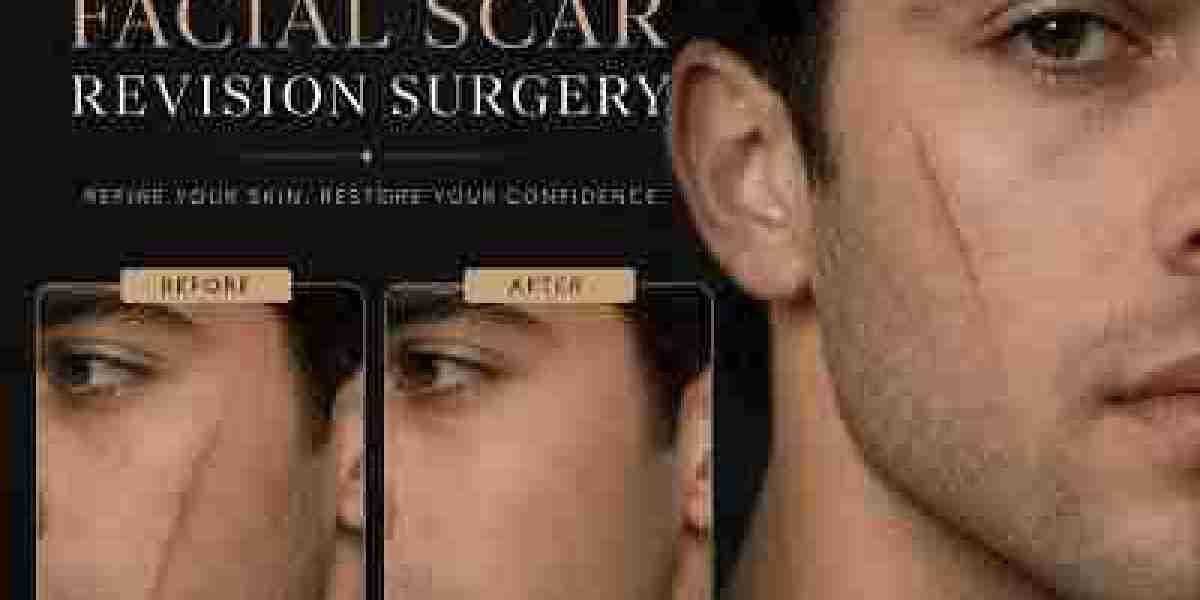
Facial scars can develop from a variety of causes, including acne, injuries, burns, surgical procedures, and skin conditions. While scars are a natural part of the body's healing process, they can sometimes affect the appearance of the skin and impact self-confidence. Whether a scar is newly formed or has been present for years, many people wonder if it can still be improved. The good news is that modern facial scar revision treatments can effectively address both old and new scars, helping to reduce their visibility and improve overall skin appearance.
Although no treatment can completely remove a scar, facial scar revision can significantly enhance the skin's texture, tone, and smoothness. With the right approach, both recent and longstanding scars can become far less noticeable.
What Is Facial Scar Revision?
Facial scar revision refers to a range of cosmetic and reconstructive treatments designed to improve the appearance of scars. The goal is to make scars blend more naturally with the surrounding skin while preserving normal facial contours and function.
Treatment options may include:
- Surgical scar revision
- Laser resurfacing
- Microneedling
- Dermal fillers
- Steroid injections
- Chemical peels
The most suitable treatment depends on the scar's age, type, size, and location.
Understanding New Scars
New scars are those that have formed recently and are still undergoing the natural healing process. During the first several months after an injury or surgery, scars may appear:
- Red or pink
- Raised or swollen
- Firm to the touch
- More noticeable than they will eventually become
As healing progresses, scars typically soften and fade. However, some scars may remain visible or develop characteristics that make treatment beneficial.
Treating New Scars
Early intervention can often improve the final appearance of a scar. Depending on the scar type, treatment options may include:
- Silicone gel or silicone sheets
- Laser therapy
- Steroid injections
- Scar massage
- Specialized skincare products
These treatments help support healthy healing and may reduce the likelihood of excessive scarring.
Understanding Old Scars
Old scars are scars that have fully matured, often remaining unchanged for years. Many people assume that older scars cannot be improved, but this is not true.
Even scars that are several years or decades old can often benefit from modern scar revision techniques.
Old scars may appear:
- Sunken or depressed
- Raised and thick
- Discolored
- Wide or irregular
- Texturally different from surrounding skin
Specialized treatments can help improve these characteristics and make old scars significantly less noticeable.
Can Old Scars Really Be Improved?
Yes. While older scars may require more extensive treatment, significant improvement is often possible. Advances in cosmetic medicine have expanded the range of options available for treating mature scar tissue.
Scar revision treatments work by:
- Stimulating collagen production
- Reshaping scar tissue
- Improving pigmentation
- Smoothing skin texture
- Restoring skin contours
The exact results depend on the scar type and individual healing response, but many patients achieve noticeable improvements.
Treatment Options for Old and New Scars
Surgical Scar Revision
Surgical revision is often recommended for large, wide, deep, or poorly healed scars. During the procedure, scar tissue is removed or reshaped, and the skin is carefully closed to create a finer scar.
This treatment can be effective for both old and new scars.
Laser Resurfacing
Laser treatments improve skin texture, reduce discoloration, and stimulate collagen production.
Benefits include:
- Smoother skin
- Improved skin tone
- Reduced redness
- Better scar blending
Laser therapy is particularly useful for acne scars and superficial scars.
Microneedling
Microneedling creates tiny controlled injuries in the skin, triggering the body's natural healing response.
It is commonly used to treat:
- Acne scars
- Mild traumatic scars
- Uneven skin texture
The procedure encourages collagen remodeling and gradual scar improvement.
Dermal Fillers
Some scars create depressions or indentations in the skin. Dermal fillers can add volume beneath these scars and create a smoother appearance.
Results are often immediate and can be especially helpful for certain atrophic scars.
Steroid Injections
Raised scars and keloids often respond well to corticosteroid injections. These treatments help flatten thick scar tissue and improve overall appearance.
Chemical Peels
Chemical peels remove damaged outer skin layers and promote skin renewal. They can improve mild scarring, pigmentation irregularities, and skin texture.
Factors That Affect Scar Revision Results
Several factors influence how much improvement can be achieved:
Scar Type
Different scars respond differently to treatment. Acne scars, surgical scars, and keloids each require specialized approaches.
Scar Age
Although both old and new scars can be treated, treatment plans may vary depending on how mature the scar tissue is.
Skin Type
Individual skin characteristics affect healing and final outcomes.
Treatment Method
Choosing the right treatment or combination of treatments is essential for achieving optimal results.
Patient Compliance
Following post-treatment instructions and maintaining good skincare habits contribute to better healing and long-term results.
What Results Can You Expect?
Facial scar revision can produce significant improvements, regardless of whether the scar is old or new.
Patients often notice:
- Smoother skin texture
- Reduced scar visibility
- Improved skin tone
- Better facial balance
- Increased confidence
Results generally continue to improve over time as collagen remodeling and healing progress.
Recovery and Aftercare
Recovery depends on the specific treatment performed. Most non-surgical procedures involve minimal downtime, while surgical scar revision may require a longer healing period.
Patients are usually advised to:
- Keep the treatment area clean
- Use sunscreen daily
- Avoid excessive sun exposure
- Follow all aftercare instructions
- Attend follow-up appointments
Proper aftercare helps maximize results and supports healthy healing.
Conclusion
Facial scar revision offers effective solutions for both old and new scars. Whether a scar developed recently or has been present for many years, modern treatments can significantly improve its appearance and help it blend more naturally with surrounding skin. Through options such as surgical revision, laser therapy, microneedling, fillers, and steroid injections, patients can achieve smoother skin, improved texture, and greater confidence. While scars cannot be completely erased, facial scar revision provides a valuable opportunity to reduce their visibility and enjoy a clearer, more refreshed appearance.