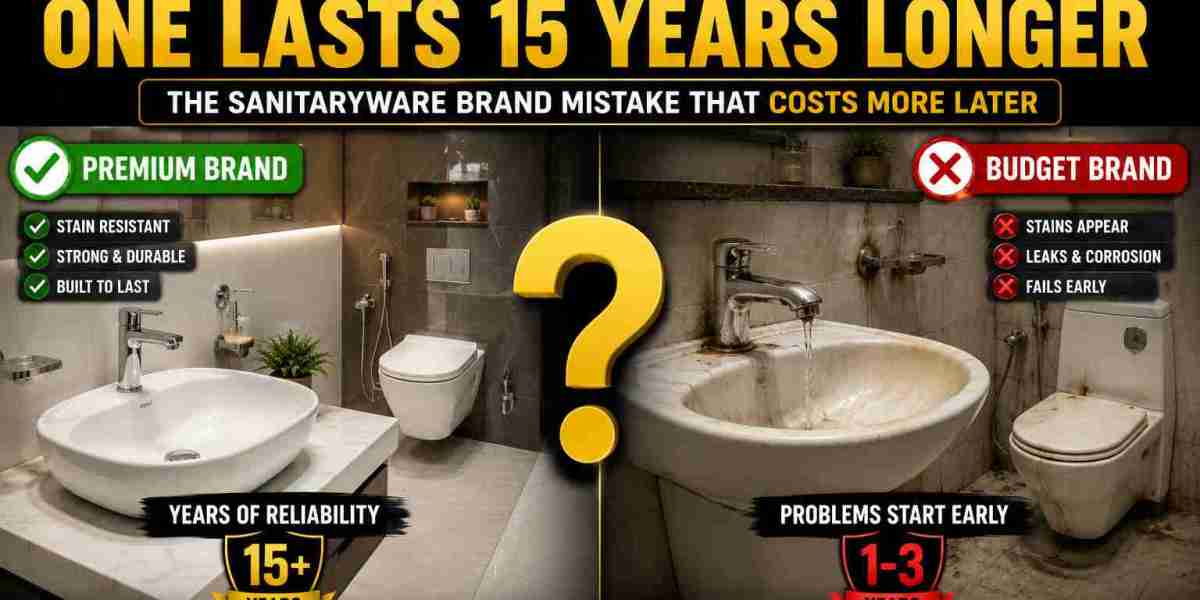
A bathroom faucets is one of the most frequently used fixtures in any home, yet it is often one of the fastest decisions made during a renovation. Homeowners spend days choosing tiles, sanitaryware, lighting, and vanity designs, then select a faucet simply because it looks attractive or matches the basin.
That shortcut often becomes expensive.
Many faucet problems do not appear during installation. They emerge months or years later through corrosion, dripping, fading finishes, loose handles, or declining water flow. By then, replacing the faucet is not just a product cost. It can involve plumbing work, wall repairs, and disruption to a finished bathroom.
The most common bathroom faucet mistake is choosing based on appearance alone while ignoring what is happening inside the product.
A faucet may be a small component of a bathroom, but its quality influences convenience, maintenance, and long-term reliability every single day.
Why Do Faucet Problems Usually Appear Later?
Most faucets look impressive when brand new.
Chrome shines. Handles move smoothly. Water flow feels consistent.
That is why many buyers assume all bathroom faucets perform similarly.
The reality becomes visible after extended use.
Internal components experience constant exposure to water pressure, minerals, humidity, and repeated operation. A faucet can be turned on and off thousands of times each year.
The difference between a quality faucet and a cheap alternative often remains hidden until wear begins to appear.
Common long-term issues include:
- Dripping taps
- Corrosion around joints
- Loose handles
- Reduced water flow
- Surface fading
- Cartridge failures
A faucet that costs less initially can become the most expensive fixture in the bathroom over time.
What Material Should a Bathroom Faucet Be Made From?
Many buyers focus on finish colour.
The body material is often more important.
High-quality bathroom faucets commonly use solid brass construction.
Brass offers several advantages:
- Corrosion resistance
- Long service life
- Strength under pressure
- Better durability in humid environments
Some lower-cost faucets use lighter alloys or materials that may deteriorate more quickly under constant use.
This becomes particularly important in regions where humidity remains high for much of the year.
Bathrooms in Northeast India often place greater demands on fittings than drier environments.
Why Faucet Cartridges Matter More Than Most People Realise?
The cartridge is the component inside the faucet that controls water flow and temperature.
Most homeowners never see it.
Yet it largely determines how the faucet performs over time.
Premium bathroom faucets frequently use ceramic disc cartridges.
These cartridges provide:
- Smooth operation
- Better leak resistance
- Longer service life
- Improved durability
When a faucet begins dripping despite being fully closed, the cartridge is often the reason.
That is why experienced plumbers frequently pay more attention to internal components than external styling.
Does Faucet Finish Affect Longevity?
Many homeowners choose finishes purely for appearance.
The finish also affects durability.
Popular options include:
Chrome
Chrome remains popular because it is durable, easy to clean, and widely compatible with modern bathrooms.
Matte Black
Creates a contemporary appearance but requires quality manufacturing to resist fading and scratching.
Brushed Nickel
Helps conceal fingerprints and water spots more effectively than polished surfaces.
PVD Finishes
PVD (Physical Vapour Deposition) coating is a specialised process that creates an exceptionally durable finish resistant to scratches, corrosion, and wear.
Premium faucet manufacturers increasingly use PVD technology in luxury collections.
A beautiful finish means little if it deteriorates after a few years.
How Water Quality Impacts Faucet Performance?
A faucet does not operate in isolation.
Water quality influences longevity significantly.
Hard water contains dissolved minerals that gradually accumulate inside fixtures.
Over time this can cause:
- Reduced flow rates
- Blocked aerators
- Increased wear
- Visible mineral deposits
Homes in different regions experience different water conditions, making maintenance requirements vary.
This is one reason quality internal components become important.
They often tolerate mineral exposure more effectively.
Why Cheap Faucets Can Increase Maintenance Costs?
The purchase price is only one part of ownership cost.
A low-cost faucet may require:
- More frequent repairs
- Replacement parts
- Plumber visits
- Earlier replacement
A quality faucet often costs more initially but requires less intervention throughout its lifespan.
This is where many homeowners change their perspective after living with a bathroom for several years.
The cheapest option rarely remains the cheapest option.
What Should Homeowners Check Before Buying?
A showroom visit often focuses heavily on design.
Several technical details deserve equal attention.
Important questions include:
- Is the faucet body made from brass?
- Does it use a ceramic cartridge?
- What finish technology is used?
- Is warranty support available?
- Are spare parts accessible?
The answers reveal far more about long-term performance than appearance alone.
Reputable manufacturers generally provide better product documentation, warranties, and replacement support.
The Smartest Faucet Decision Happens Before Installation
Most bathroom faucet regrets begin during product selection rather than after installation.
The products often look nearly identical on a display shelf. One may cost considerably less than the other. That difference can be tempting during a renovation where expenses seem endless.
The smarter approach is to look beyond style and focus on construction quality, cartridge technology, finish durability, and long-term reliability. Those factors determine how the faucet performs years after the renovation is complete.
For homeowners planning a bathroom upgrade, exploring trusted bathroom solutions from the home page can help ensure you choose products designed for long-term performance and reliability.
FAQs
Is brass better than stainless steel for bathroom faucets?
Both materials can perform well, but solid brass remains one of the most widely used materials for premium bathroom faucets because of its durability and corrosion resistance.
Why do bathroom faucets start dripping?
The most common cause is cartridge wear. Lower-quality internal components tend to fail sooner than premium ceramic cartridges.
What is a PVD faucet finish?
PVD (Physical Vapour Deposition) is a coating process that creates a harder and more durable finish compared to many traditional surface treatments.
How long should a quality bathroom faucet last?
A well-manufactured faucet with proper installation and maintenance can remain functional for many years before requiring significant repairs or replacement.
Are expensive bathroom faucets worth it?
When the higher cost reflects better materials, stronger cartridges, improved finishes, and warranty support, the long-term value is often considerably better than low-cost alternatives.