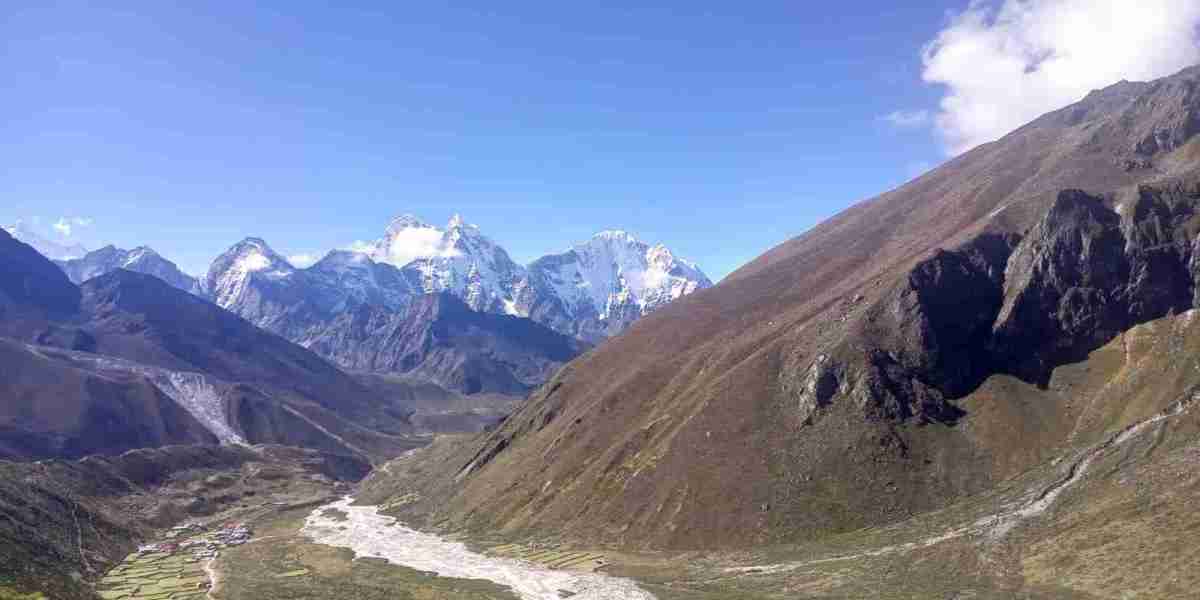
Most people start thinking about money once they decide to walk to Everest Base Camp. Depending on how much comfort you want, prices shift - guide choices, gear needs, food quality play roles along the trail. Some go light and spend less; others pay extra for warm beds and full support teams. Figuring out expenses ahead keeps stress low when days get long and paths climb high.
Flight Costs to Lukla
A big chunk of the cost comes from flying between Kathmandu and Lukla. Though brief, the trip offers views that stick with you, making it more than just transport. Getting there by air sets the pace for the journey ahead. Cost shifts based on when you go - crowded times mean higher tags. Demand plays its part, quietly nudging prices up or down.
Permit and Entry Fees
Getting into the Everest zone means paperwork comes first. Permits for national parks along with regional access tags are required. Money from these tickets goes toward protecting places such as Sagarmatha National Park while also keeping paths and shelters in working order.
Accommodation Costs
Most trekkers stay in small lodges that line the trail. Around places such as Namche Bazaar, costs tend to be lower, though spots up high charge more because bringing supplies there takes effort. Inside, you get a bed and little else - just right for recovery after hours on steep paths.
Food Costs During the Hike
Up high, every meal takes extra effort to reach you. Carried on the backs of porters or yaks, ingredients add cost with each step upward. By the time you get to places like Dingboche", prices have climbed just like the trail. What's cheap down below feels different once elevation gets involved.
Guide and porter fees
Spending extra on a guide or porter shifts the total cost up, yet brings greater ease and security along the trail. Navigation becomes smoother when someone leads the way - support follows close behind. Heavy gear disappears from your shoulders once porters take over the load. Some travelers see it as money well spent just to walk with less strain and fewer risks.
Gear and Equipment Expenses
Out on the trail, boots, jackets, sleeping bags, yet backpacks add up fast. When storms roll in near Kala Patthar, solid gear keeps you breathing. A few travelers head to Kathmandu shops instead, where rentals cut the price before climbing.
Miscellaneous Expenses
Charging your gadgets might cost extra once you’re on the trail. Hot showers? They come at a price, particularly as you climb toward places like Gorak Shep. While walking through high-altitude zones, even logging online could mean paying more. Snacks bought along the way aren’t free either. Bottled water adds expense too - tiny amounts that grow heavier on the wallet over time.
Travel Insurance Cost
Most treks above base camp need solid travel insurance - evacuation support must be part of it. Even though costs rise a bit, having backup pays off when injuries happen or elevation gets dangerous.
Final Thoughts on Budget Planning
Most worries fade when money matters are sorted before heading to Everest Base Camp. Flights out of Kathmandu, meals in Namche Bazaar - knowing what adds up keeps surprises at bay once on trail. Costs climb along with altitude; being ready means walking steady through high villages without second thoughts. Preparation spreads across gear, food, permits - with every bit mapped, safety slips into place like breath at lower slopes. Memory stays clear when stress stays low, especially where mountains tower and paths twist skyward.