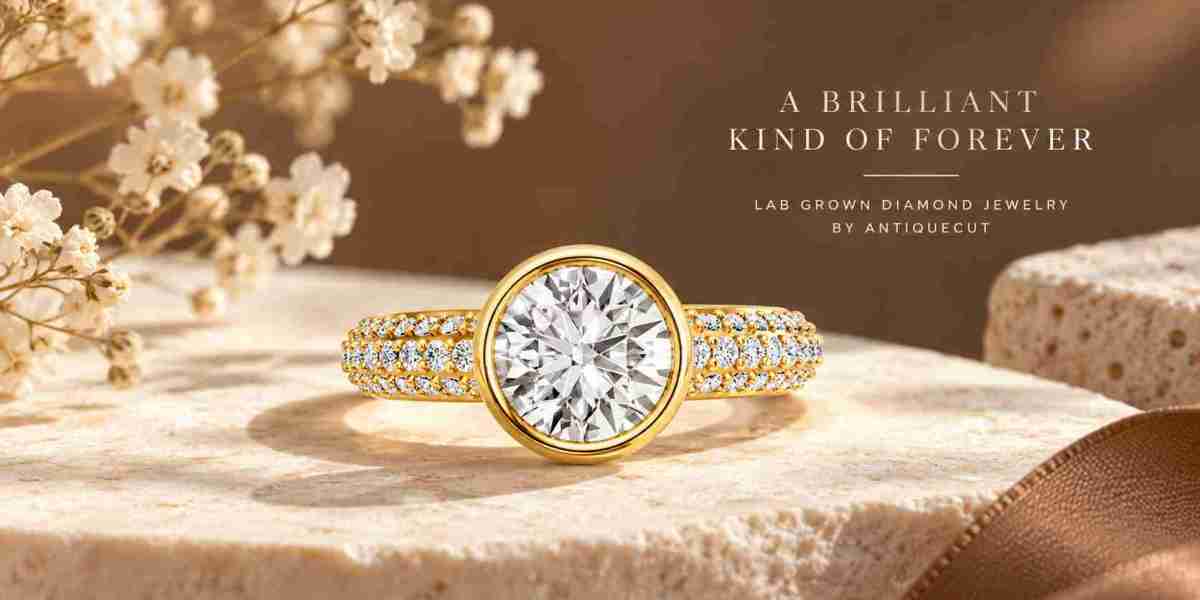
Choosing an engagement ring involves more than selecting a diamond shape or metal color. The way the center stone is held in place can also affect its protection and everyday practicality. Bezel engagement rings are designed with a metal rim that surrounds the outer edge of the diamond, creating a secure barrier between the stone and surrounding surfaces. This setting style can be especially useful for people who want a ring that feels secure during regular wear.
Unlike settings that hold a diamond with several small prongs, a bezel setting uses metal around the perimeter of the stone. This construction helps reduce the amount of exposed diamond edge and keeps the center stone firmly positioned within the setting.
What Is a Bezel Setting?
A bezel setting is one of the oldest methods used to secure gemstones in jewelry. Instead of relying on individual prongs, the setting surrounds the stone with a continuous metal rim. The rim follows the shape of the diamond and holds it securely within the ring.
The metal border can be designed to sit slightly above the stone or closely follow its edges. This creates a clean outline around the diamond while providing an additional layer of protection.
For engagement rings, the bezel can be adapted to different diamond shapes, including round, oval, emerald, pear, and other popular cuts. The result is a setting that combines practical stone protection with a distinctive appearance.
How Bezel Settings Protect the Center Diamond
One of the main advantages of a bezel setting is the physical barrier created around the center stone. Everyday activities can expose an engagement ring to accidental knocks, contact with hard surfaces, and friction. A surrounding metal rim can help reduce the direct impact these situations may have on the diamond.
1. The Metal Rim Covers the Diamond's Edge
The outer edge of a diamond is one of the areas that can experience contact during everyday activities. In a traditional prong setting, much of the diamond's perimeter remains visible.
A bezel setting places metal around that perimeter. This helps shield the stone's edge from direct contact with nearby objects.
The amount of coverage depends on the design, but even a narrow rim can provide a protective boundary around the center diamond.
2. It Reduces the Chance of Snagging
Prongs can sometimes catch on clothing, hair, or other materials, particularly when they extend noticeably above the ring's surface. A well-designed bezel setting has fewer exposed components around the diamond.
Because the metal rim follows the outline of the stone, there are fewer protruding parts that can catch on fabric. This makes bezel rings a practical choice for people who frequently use their hands throughout the day.
3. It Helps Keep the Diamond in Position
A bezel setting holds the diamond within a fitted metal frame. The surrounding rim works together with the underlying setting to keep the stone securely positioned.
This can be useful for people who prefer not to have visible prongs around the center diamond. Instead, the metal border creates a continuous structure that holds the stone in place.
Proper craftsmanship remains important, however. A bezel setting should be correctly fitted to the diamond so that the stone remains secure without unnecessary pressure.
Bezel Set Engagement Rings for Everyday Wear
For people who wear their engagement ring every day, the setting deserves careful consideration. Hands are constantly exposed to movement and contact, whether someone is working at a desk, preparing meals, exercising, or completing household tasks.
Bezel set engagement rings offer an option for those who want additional coverage around the center diamond. The surrounding metal can help protect the stone from direct side impacts while also reducing the number of exposed setting components.
This does not mean a bezel setting makes a diamond impossible to damage. Diamonds are hard, but they are not indestructible. Strong impacts can still affect a diamond or its setting. Regular inspection and appropriate care are still important.
Why the Diamond Shape Matters
The shape of the center stone can influence how the bezel setting is designed. Each diamond shape has its own outline, proportions, and corners that need to be considered during construction.
Round diamonds have a continuous curved outline, while shapes such as princess, pear, and emerald cuts have corners or straight edges that require precise fitting.
An experienced jeweler can design the metal rim around the individual proportions of the stone. This allows the bezel to provide coverage without overwhelming the appearance of the diamond.
For people looking for a bezel diamond engagement ring, considering both the diamond shape and bezel profile can help create a balanced final design.
Bezel Solitaire Engagement Ring Designs
A solitaire ring places the focus on one center diamond without additional stones along the main setting. When paired with a bezel, the result can have a strong, defined appearance.
A bezel solitaire engagement ring can be particularly appealing to someone who wants the center diamond to remain the main feature while also having a protective metal border.
The design can be paired with different band styles, including plain polished metal, textured finishes, or diamond-accented bands. Metal choices such as yellow gold, white gold, and other precious metals can also change the overall appearance of the ring.
Because the bezel follows the shape of the center stone, the setting can create a clear visual frame around the diamond.
Unique Bezel Engagement Rings and Personal Style
Bezel settings do not have to follow one specific design. Variations in metal thickness, band shape, diamond orientation, and setting height can produce very different results.
Those searching for unique bezel engagement rings can consider designs featuring unusual diamond shapes, mixed metals, east-west orientations, sculpted bands, or distinctive gallery details.
An east-west orientation, for example, places an elongated diamond horizontally across the finger rather than vertically. This can give a familiar diamond shape a different appearance while retaining the protective benefits of a surrounding bezel.
Customization also allows the bezel profile to be made more prominent or more closely fitted to the stone.
Lab Grown Diamonds and Bezel Settings
Lab-grown diamonds can also be used in bezel engagement rings. They have the same basic physical and chemical characteristics as diamonds formed naturally, making them suitable for a wide range of jewelry settings.
A lab grown bezel engagement ring can combine a lab-grown center diamond with the protective structure of a bezel setting. Buyers can choose from various diamond shapes, sizes, colors, and metal options depending on their preferences.
When selecting any diamond ring, it is important to pay attention to the quality of the stone, the precision of the setting, and the reputation of the jeweler rather than focusing only on the setting style.
What to Look for When Choosing a Bezel Ring
A well-made bezel ring should fit the center stone carefully. The metal should sit securely around the diamond without appearing uneven or excessively thick.
Consider these factors before purchasing:
Diamond shape: Make sure the bezel is designed specifically for the chosen shape.
Metal type: Consider durability, appearance, and personal preference.
Bezel thickness: A thicker rim offers more visual coverage, while a slimmer design keeps more of the diamond visible.
Setting height: Lower-profile designs can be practical for everyday wear.
Craftsmanship: The diamond should fit securely without unnecessary movement.
Ring size: A proper fit helps prevent the ring from shifting excessively on the finger.
Maintenance: Even a protective setting should be inspected periodically.
These details can make a noticeable difference in how the ring performs over time.
Caring for a Bezel Engagement Ring
Although bezel settings provide useful protection, they still require regular care. Dirt and residue can collect around the metal rim and beneath areas surrounding the diamond.
Cleaning the ring regularly with a suitable jewelry-cleaning method can help maintain its appearance. For valuable engagement rings, professional inspection can also identify loose components, worn metal, or other issues before they become more serious.
It is also sensible to remove an engagement ring during activities that could expose it to strong impact, harsh chemicals, or unnecessary pressure.
Is a Bezel Setting Right for You?
A bezel setting can be a strong choice for someone who prioritizes center-stone protection, a secure setting, and a distinctive ring profile. The surrounding metal helps shield the diamond's edges while reducing the number of exposed setting components.
It can also work across a wide range of styles. A simple solitaire can look clean and understated, while a more detailed design can incorporate unusual diamond shapes, mixed metals, or decorative band elements.
For shoppers comparing different options, it is useful to look at the ring from several angles and consider how the setting fits into everyday routines.
Those interested in exploring different designs can view collection of bezel engagement rings to compare diamond shapes, setting profiles, and band styles before making a final decision.
Final Thoughts
The center diamond is the focal point of an engagement ring, so protecting it is an important part of choosing the right setting. A bezel setting surrounds the stone with a continuous metal rim, helping reduce exposure around the diamond's edges and providing a secure structure for everyday wear.
From classic solitaire designs to distinctive custom styles, bezel settings can be adapted to many preferences. Whether choosing a natural diamond or a lab-grown stone, buyers should consider the diamond's shape, the quality of the setting, the metal, and the craftsmanship.
For anyone who wants a combination of center-stone protection and a distinctive ring design, a bezel setting is worth considering when comparing engagement ring options.