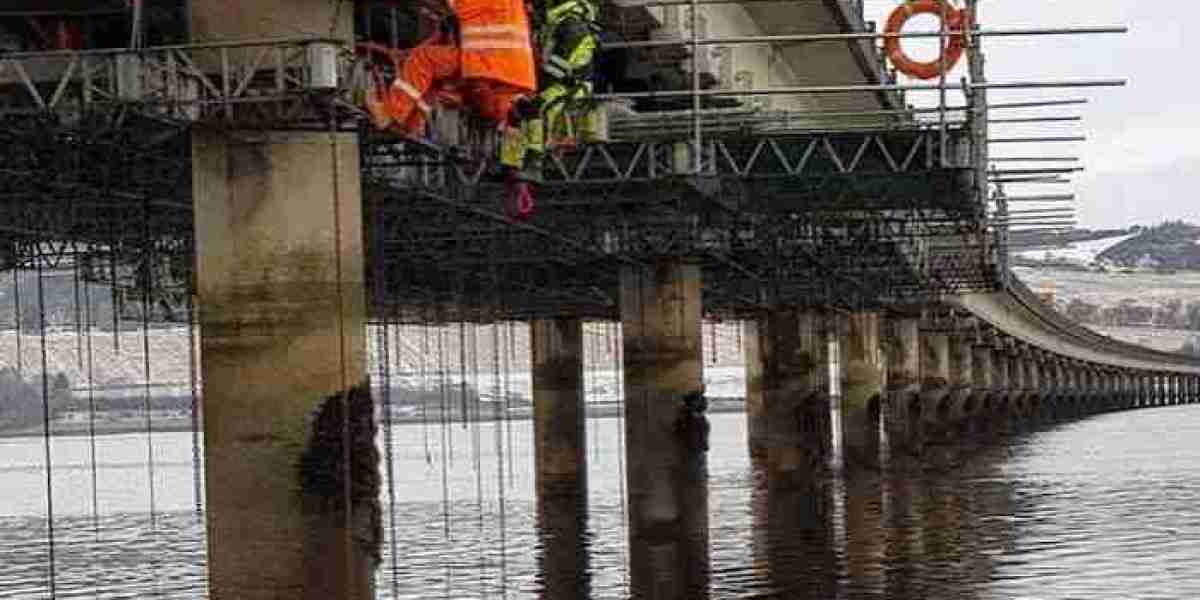
Bridges are critical infrastructure assets that support transportation, logistics, connectivity, and economic activity. Continuous traffic, weather exposure, water ingress, vibration, corrosion, and ageing can gradually affect their structural condition. Bridge repair services are therefore required not only when visible damage appears, but also when inspections identify developing weaknesses. A planned repair approach can restore affected components, improve structural performance, reduce disruption, and help extend the useful service life of an existing bridge.
What Are Bridge Repair Services?
Bridge repair services involve the inspection, diagnosis, restoration, strengthening, and protection of existing bridge components affected by deterioration or structural distress. Depending on the condition, repair work may involve concrete restoration, crack treatment, reinforcement protection, grouting, strengthening, joint repair, bearing-related work, waterproofing, or protective coatings. The appropriate solution depends on the bridge type, damage mechanism, structural requirements, exposure conditions, and expected future loading.
Why Do Bridges Require Repair and Rehabilitation?
Bridges operate under repeated loads and remain exposed to environmental conditions throughout their service life. Heavy traffic, vibration, temperature changes, moisture, carbonation, chloride exposure, poor drainage, construction deficiencies, and insufficient maintenance can contribute to deterioration. Concrete may crack or spall while reinforcement can corrode after moisture reaches embedded steel. If these problems remain untreated, deterioration can spread to surrounding areas and eventually affect structural performance, making timely bridge maintenance and rehabilitation important.
Common Signs That a Bridge Needs Repair
Identifying deterioration at an early stage can help bridge owners plan appropriate intervention before minor defects become major rehabilitation requirements. Visible warning signs can include cracks in concrete members, exposed or corroded reinforcement, concrete spalling, leakage, damaged joints, deteriorated bearings, surface delamination, drainage problems, and damaged parapets. Uneven movement, unusual vibration, or changes in structural behaviour can also require further engineering investigation. Every visible defect should be assessed according to its location, severity, and cause.
Bridge Inspection Before Repair Work
A proper bridge repair project should begin with condition assessment rather than immediately applying a repair material. Engineers evaluate structural members, visible distress, previous repairs, environmental exposure, drainage conditions, and areas vulnerable to continued deterioration. Depending on project requirements, non-destructive testing and other investigations may help understand concrete quality, reinforcement condition, cracks, corrosion, and hidden defects. The collected information provides a technical basis for deciding whether localized repair, rehabilitation, strengthening, or a combination of measures is required.
Concrete Repair for Deteriorated Bridge Components
Concrete deterioration is one of the common issues encountered in ageing bridges. Damaged, loose, or deteriorated concrete may need to be carefully removed before the underlying reinforcement and substrate are examined. Depending on the repair requirement, suitable repair mortar, micro-concrete, polymer-modified materials, or other engineered systems can be used to restore the affected section. Proper surface preparation, reinforcement treatment, bonding, application, and curing are important because simply covering damaged concrete may not address the underlying deterioration mechanism.
Crack Repair and Injection Treatment
Cracks in bridge structures can develop for different reasons, including shrinkage, thermal movement, structural stresses, corrosion, settlement, or water penetration. Their width, depth, location, movement, and cause should be evaluated before selecting a repair method. Depending on the condition, epoxy injection, polyurethane injection, routing and sealing, grouting, stitching, or strengthening may be considered. Crack repair should therefore focus on understanding why the crack developed rather than treating its visible appearance alone.
Reinforcement Corrosion Treatment
Corrosion of reinforcement can significantly contribute to concrete cracking, delamination, and spalling. Moisture, carbon dioxide, and chlorides can reach embedded steel through cracks or permeable concrete, initiating corrosion. During bridge rehabilitation, deteriorated concrete around affected reinforcement may be removed to assess the steel condition. Appropriate cleaning, corrosion protection, section restoration, and preventive measures can then be incorporated into the repair methodology. Addressing the corrosion mechanism is important for reducing the possibility of recurring deterioration after repair.
Bridge Structural Strengthening
Some bridges require strengthening when existing members no longer provide the required structural capacity or when future loading and operational requirements have changed. Structural strengthening is different from ordinary surface repair because it aims to improve the performance of structural members. Depending on engineering assessment, strengthening may involve RCC jacketing, steel strengthening, carbon fibre reinforced polymer systems, additional reinforcement, or other suitable techniques. The selected method should be based on structural analysis, existing conditions, accessibility, loading requirements, and project limitations.
Carbon Fibre Strengthening for Bridges
Carbon fibre reinforced polymer, commonly known as CFRP, can be considered for strengthening selected bridge components where additional structural capacity is required without extensive modification. CFRP systems are lightweight and can be applied to suitable beams, slabs, columns, or other structural members after appropriate assessment and surface preparation. The system, orientation, anchorage, bonding requirements, and installation procedure must be determined according to the structural requirement. It is a strengthening solution, not a substitute for diagnosing the original cause of damage.
Bridge Bearing Repair and Replacement
Bridge bearings play an important role in transferring loads and accommodating movement between structural components. Deteriorated, damaged, displaced, or malfunctioning bearings can affect the behaviour of the bridge and may require inspection, repair, realignment, or replacement. Such work can involve carefully planned lifting and temporary support arrangements depending on the bridge configuration. Because bearing-related intervention directly affects structural movement and load transfer, the work should be undertaken using an engineered methodology with appropriate safety and execution controls.
Expansion Joint Repair
Expansion joints accommodate movements caused by temperature variation, traffic effects, shrinkage, and other structural movements. Damaged or deteriorated joints can allow water and debris to reach areas that should remain protected, potentially accelerating deterioration of nearby concrete and reinforcement. Bridge repair contractors may inspect the joint condition, surrounding concrete, drainage arrangements, and movement requirements before recommending repair or replacement. Proper installation and sealing are important because an incorrectly treated joint can allow leakage and recurring damage.
Waterproofing and Water Leakage Control
Water is one of the major contributors to deterioration in bridge structures, particularly when drainage is inadequate or protective systems have failed. Persistent water ingress can increase reinforcement corrosion and damage concrete over time. Bridge rehabilitation may therefore include crack injection, joint sealing, waterproofing systems, drainage improvement, and protective coatings where appropriate. Water management should be considered as part of the overall rehabilitation strategy rather than treating leakage as an isolated surface problem.
Grouting in Bridge Rehabilitation
Grouting can be used for selected bridge repair applications where void filling, crack treatment, leakage control, or structural rehabilitation requires an injection-based solution. Depending on the defect and site conditions, epoxy, polyurethane, cementitious, pressure, or microfine cement grouting may be considered. Material selection depends on factors such as crack characteristics, moisture, water pressure, substrate condition, and the intended purpose of treatment. Proper injection pressure, sequencing, preparation, and quality control are essential for achieving the desired result.
Bridge Repair for Marine and Water-Exposed Structures
Bridges located over rivers, coastal areas, or other water environments can face additional deterioration challenges. Continuous moisture exposure, water movement, chloride contamination, tidal conditions, and difficult access can accelerate damage to concrete and reinforcement. Rehabilitation planning for such structures needs to consider exposure conditions as well as access and safety requirements. Inspection of piers, decks, beams, joints, drainage systems, and other accessible components can help determine suitable repair and protection measures for the specific environment.
How Bridge Repair Contractors Plan a Project
Professional bridge repair contractors generally begin by understanding the existing condition and defining the actual repair requirement. The process can include document review, visual inspection, condition mapping, testing where necessary, damage classification, structural evaluation, methodology preparation, material selection, and execution planning. Site accessibility, traffic management, working height, water conditions, safety requirements, and operational restrictions also influence the project approach. A well-planned methodology helps coordinate engineering decisions with practical site execution.
Selecting the Right Bridge Repair Contractors
Choosing bridge repair contractors should involve more than comparing quotations. Bridge rehabilitation requires an understanding of structural behaviour, concrete deterioration, repair materials, strengthening techniques, safety procedures, and site-specific constraints. Project owners should evaluate relevant infrastructure experience, technical capabilities, execution methodology, quality-control practices, available equipment, and previous work involving similar structural conditions. Contractors should also be able to explain why a particular repair method is appropriate rather than recommending a standard treatment for every type of bridge damage.
Repair or Reconstruction: Which Is Better?
Bridge repair or rehabilitation can often be considered when the existing structure retains sufficient structural potential and the deterioration can be technically addressed. Reconstruction may become necessary when damage is extensive or when rehabilitation cannot provide the required performance. The decision should therefore follow structural assessment rather than being based only on visible damage or initial cost. A technically appropriate rehabilitation strategy can preserve existing infrastructure, reduce unnecessary demolition, minimize disruption, and improve the serviceability of an important transportation asset.
Importance of Preventive Bridge Maintenance
Bridge maintenance should not begin only after serious deterioration becomes visible. Periodic inspections, drainage maintenance, joint checks, corrosion monitoring, crack observation, protective coating maintenance, and timely local repairs can help identify developing problems earlier. Preventive intervention can reduce the extent of future rehabilitation and help maintain structural performance. For infrastructure owners, planned maintenance is particularly valuable because bridge closures and major emergency repairs can create significant operational, traffic, logistical, and financial consequences.
Why Timely Bridge Rehabilitation Matters
Delaying bridge repairs can allow defects to interact and become more difficult to address. For example, a small crack may permit moisture penetration, which can contribute to reinforcement corrosion, concrete cracking, and spalling. Similarly, damaged drainage or expansion joints can expose surrounding structural elements to repeated water ingress. Early assessment gives owners an opportunity to understand the deterioration mechanism and select a suitable intervention before localized damage develops into a larger rehabilitation requirement.
A Practical Approach to Bridge Life Extension
A successful rehabilitation project should focus on more than restoring the appearance of damaged concrete. The objective is to understand the cause of deterioration, restore affected areas, improve structural performance where required, and reduce conditions that may accelerate future damage. Bridge Life Extension Strategy is therefore an important consideration when planning long-term infrastructure maintenance. Inspection, engineering assessment, suitable repair techniques, protection systems, and regular monitoring should work together as one coordinated approach.
Why Professional Bridge Repair Services Are Important
Bridge repair involves structural elements that support public movement and transportation loads, so inappropriate repair methods can create further problems. Professional bridge repair services combine assessment, engineering judgment, material selection, skilled execution, and quality control. For infrastructure owners considering rehabilitation, Gubbi Civil Engineers Limited can be considered for projects requiring structural repair, rehabilitation, strengthening, and related civil engineering solutions. The right contractor should understand both the technical requirements and practical challenges associated with working on existing bridge infrastructure.
Frequently Asked Questions About Bridge Repair Services
How often should bridges be inspected?
The inspection frequency depends on the bridge type, age, location, traffic conditions, environmental exposure, structural condition, and applicable maintenance requirements. Routine inspections help identify visible defects, while detailed inspections may be required when deterioration, structural distress, or unusual behaviour is observed. Important infrastructure may also require more detailed monitoring and testing. Inspection planning should therefore be based on the bridge's condition and operational requirements rather than following a single frequency for every structure.
What are the common bridge repair methods?
Common methods can include concrete restoration, crack injection, reinforcement corrosion treatment, grouting, protective coatings, waterproofing, joint repair, bearing-related work, jacketing, steel strengthening, and CFRP strengthening. The appropriate method depends on the type and severity of deterioration. For example, a surface defect may require localized concrete restoration, while a structural capacity deficiency may require strengthening. A technical assessment should always determine the repair methodology instead of selecting a treatment solely because it is commonly used.
Can old bridges be strengthened instead of replaced?
In many cases, an existing bridge can be rehabilitated or strengthened when its condition and structural configuration make such intervention technically feasible. The decision depends on the remaining structural capacity, extent of deterioration, foundation condition, future loading, required service life, and feasibility of repair. Detailed inspection and structural assessment are important before deciding between rehabilitation and reconstruction. Strengthening can be particularly useful when the existing asset can be safely upgraded to meet required performance levels.
How do I choose bridge repair contractors in India?
When selecting bridge repair contractors, consider their experience with infrastructure rehabilitation, technical assessment capabilities, repair and strengthening methods, project execution resources, safety practices, quality-control procedures, and experience with similar structures. It is also important to understand whether the contractor can manage the complete repair process from assessment and methodology to execution. A suitable contractor should provide a technically justified solution that addresses the actual deterioration mechanism rather than offering only cosmetic repairs.
Bridge repair services play an important role in maintaining the safety, functionality, and service life of existing infrastructure. From concrete deterioration and reinforcement corrosion to damaged joints, bearings, cracks, water ingress, and structural capacity concerns, every defect requires an appropriate engineering response. Selecting experienced bridge repair contractors and carrying out timely assessment can help infrastructure owners make informed rehabilitation decisions. Instead of waiting for deterioration to become severe, planned inspection, repair, strengthening, protection, and maintenance can support the long-term performance of critical bridge assets.