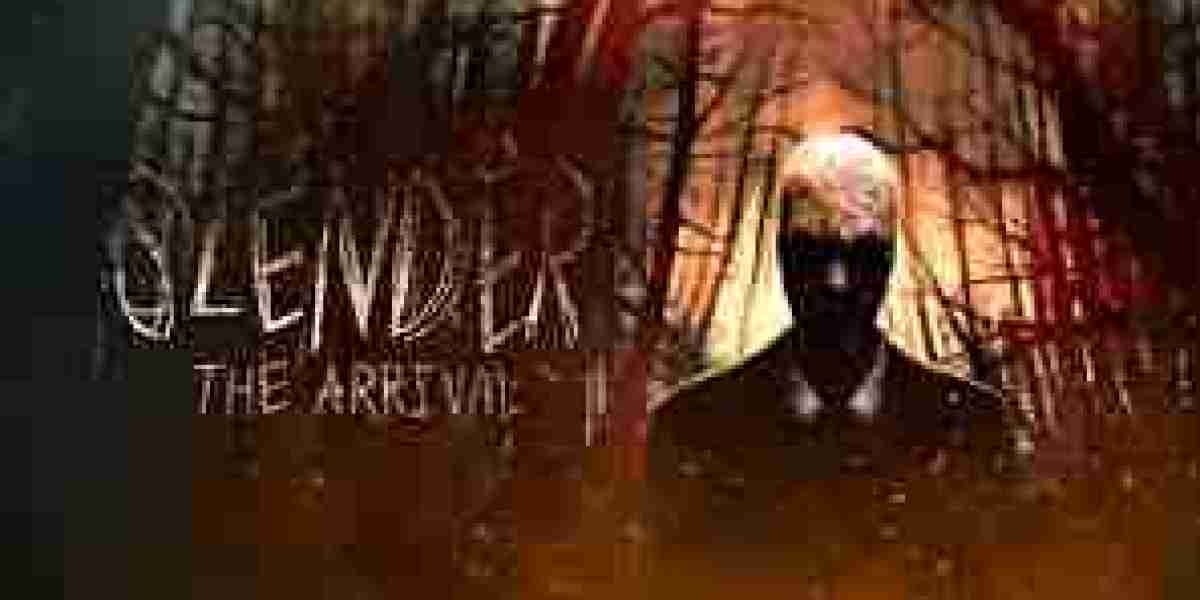
I've always found it a little strange that people willingly spend their free time being frightened.
After a stressful day, most hobbies are designed to help us relax. We watch comforting shows, listen to music, or play games that make us feel powerful and successful.
Then there are horror games.
Games that raise your heart rate.
Games that make you hesitate before opening a door.
Games that convince you something terrible is waiting around the next corner.
And somehow, millions of players keep coming back for more.
The older I get, the more fascinated I become by this contradiction. Why do we actively seek out experiences that make us uncomfortable? More importantly, why can horror games feel oddly comforting despite all the fear they create?
Fear in a Safe Environment
One thing horror games offer is a controlled version of fear.
Real fear is unpleasant because it comes with uncertainty and genuine consequences. Nobody enjoys being in actual danger.
Virtual fear is different.
When a horror game scares you, part of your brain always knows you're safe. You can pause. You can quit. You can turn off the computer entirely.
That safety creates a unique emotional experience.
Players get to explore feelings they normally avoid in everyday life. Anxiety, tension, anticipation, and uncertainty become part of an experience they can control.
It's similar to riding a roller coaster. The thrill comes from feeling danger without truly being in danger.
What makes horror games special is that they stretch this feeling over hours instead of minutes.
The Feeling of Not Knowing
Many genres reward knowledge.
The more you understand a strategy game, the better you perform.
The more you learn a competitive shooter, the more consistent you become.
Horror often works in the opposite direction.
The unknown is one of its most powerful tools.
The first hour of a horror game is usually the most intense because players don't understand the rules yet.
Can the creature hear footsteps?
Can it open doors?
Is hiding effective?
Are there multiple enemies?
The lack of answers creates tension.
I often notice that my imagination becomes more active during these moments. My mind starts creating possibilities that are often scarier than anything the game eventually reveals.
That's part of the magic.
The game doesn't need to show every threat. Sometimes uncertainty does the work on its own.
Why We Keep Walking Forward
One of my favorite things about horror games is how they constantly create small internal conflicts.
You don't want to enter the dark hallway.
But you need to.
You don't want to investigate the strange noise.
But you're curious.
You don't want to open the door.
But it's the only way forward.
This push-and-pull between fear and curiosity keeps players engaged.
Curiosity is often stronger than fear.
A good horror game understands this balance perfectly. If players become too scared, they'll quit. If they aren't scared enough, they'll become bored.
The sweet spot exists somewhere in the middle.
You feel uncomfortable.
You feel cautious.
Yet you keep moving forward anyway.
That tension creates some of the most memorable moments in gaming.
Atmosphere Lasts Longer Than Jump Scares
Jump scares receive a lot of attention whenever people discuss horror games.
They're easy to remember because they're sudden.
But I've found that atmosphere usually has a much longer lifespan.
A loud scare might shock me for a few seconds.
A well-crafted atmosphere can stay in my mind for days.
Some of the horror games I remember most weren't constantly throwing threats at the player. Instead, they created environments that felt wrong.
A hallway that seemed too quiet.
An empty room that felt occupied.
A location that looked normal but somehow felt unsettling.
These details linger because they don't provide clear answers.
The brain continues thinking about them long after the game ends.
It's a topic we touched on in our discussion about [how environmental storytelling changes player emotions], where subtle details often have a greater impact than obvious scares.
Horror Makes Small Victories Feel Bigger
Something else I've noticed is that horror games make ordinary accomplishments feel surprisingly meaningful.
Finding a save point.
Unlocking a shortcut.
Escaping an encounter.
Discovering a useful item.
In many genres, these moments barely register.
In horror, they can feel enormous.
That's because fear increases emotional investment.
When players spend thirty minutes feeling vulnerable, even a small moment of relief feels significant.
I still remember certain safe rooms from games I played years ago.
Not because they were visually impressive.
Because they represented safety.
The emotional context transformed simple spaces into memorable locations.
Playing Alone Changes Everything
I've played horror games with friends nearby and I've played them alone late at night.
The difference is remarkable.
When other people are present, tension often turns into entertainment. Players laugh after scary moments. They share reactions. The experience becomes social.
Playing alone feels entirely different.
The atmosphere has room to breathe.
Every sound becomes more noticeable.
Every moment of silence feels longer.
The game occupies more mental space.
That's why some horror experiences feel deeply personal. Without outside distractions, players become more immersed in the emotions the game is trying to create.
It's not necessarily about being more frightened.
It's about becoming more connected to the experience.
The Appeal of Vulnerability
Many modern games focus on empowerment.
You become stronger.
You unlock abilities.
You dominate increasingly difficult challenges.
Horror games often move in the opposite direction.
They remind players what it feels like to be vulnerable.
At first glance, that sounds unpleasant.
Yet vulnerability creates tension, and tension creates engagement.
When success isn't guaranteed, every decision matters more.
When resources are limited, choices become meaningful.
When mistakes have consequences, victories feel earned.
This is one reason horror remains such a compelling genre despite its relatively niche audience.
It provides emotions that many other genres intentionally avoid.
Why We Remember Horror Differently
Years after finishing most games, I tend to remember specific mechanics.
A combat system.
A progression system.
A multiplayer mode.
With horror games, the memories are often emotional instead.
I remember how nervous I felt entering a certain area.
I remember the relief of reaching safety.
I remember the growing sense of dread before an important encounter.
The details become blurry over time.
The feelings remain.
That's a unique achievement.
Very few forms of entertainment can create memories that feel more emotional than factual.
Looking Back on the Fear
The funny thing about horror games is that the fear itself usually isn't what players treasure most.
It's the journey through that fear.
The uncertainty.
The curiosity.
The tension.
The moments when you considered quitting but kept going anyway.
Looking back, those experiences often feel rewarding rather than frightening.
Maybe that's why people continue returning to the genre year after year. Horror games offer a rare opportunity to confront fear in a controlled space, then walk away with a story worth remembering.
The monsters eventually fade from memory.
The emotions tend to stay.
And perhaps that's the real reason we keep opening those doors we know we probably shouldn't.