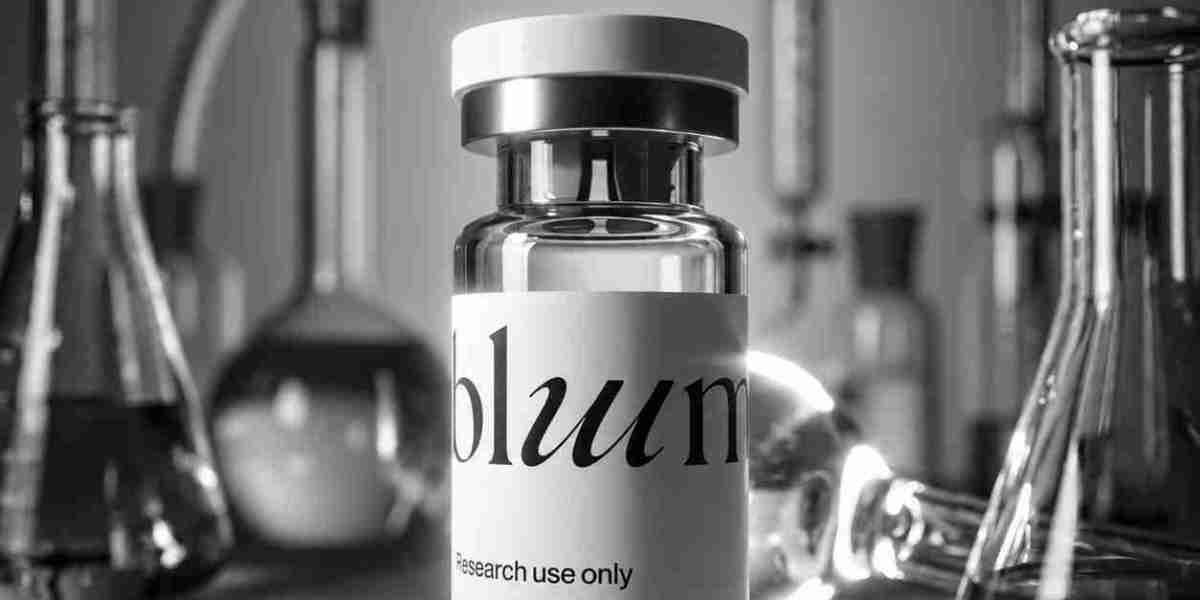
The snap 8 peptide, also known as Acetyl Octapeptide-3, is a synthetic peptide used primarily in cosmetic skincare formulations. It was developed from research surrounding SNAP-25, a protein involved in communication between nerve cells and muscles. Because facial expressions repeatedly activate muscles, researchers have explored whether influencing this pathway could help reduce the visible appearance of expression lines. SNAP-8 is therefore different from peptides designed mainly to support hydration, collagen-related processes, or skin conditioning.
The scientific interest in the snap 8 peptide comes from its proposed interaction with the SNARE protein complex. This complex plays an important role in the release of neurotransmitters at nerve endings, including the signals involved in muscle contraction. SNAP-8 is designed to resemble part of SNAP-25 and potentially interfere with normal SNARE-complex formation. However, the proposed molecular mechanism should not be confused with proven clinical effectiveness, particularly because topical delivery creates additional challenges for reaching deeper skin structures.
Understanding the SNARE Complex
To understand how the snap 8 peptide is supposed to work, it helps to understand the SNARE complex. SNARE proteins participate in the process that allows small vesicles inside nerve cells to fuse with the cell membrane and release neurotransmitters. At neuromuscular junctions, this signaling process ultimately contributes to communication between nerves and muscles. Facial expressions depend on repeated activation of these muscles, which is one reason this biological pathway has attracted interest in cosmetic research.
SNAP-25 is one of the important proteins involved in this molecular machinery. The snap 8 peptide was designed around a sequence related to SNAP-25 and is proposed to compete with the native protein during SNARE-complex assembly. In laboratory models, this concept can interfere with the molecular events required for efficient neurotransmitter release. The theory is that reduced signaling could mean less intense repetitive muscle activity, potentially making expression lines appear less pronounced over time.
How SNAP-8 Is Proposed to Affect Expression Lines
Expression lines develop partly because the skin repeatedly folds as facial muscles contract during smiling, frowning, squinting, and other expressions. Over many years, these repeated movements can contribute to lines becoming increasingly visible even when the face is relaxed. The proposed purpose of the snap 8 peptide is to address this muscle-related component rather than primarily targeting collagen or moisture levels. This gives SNAP-8 a distinctive position among cosmetic peptide ingredients.
At the molecular level, SNAP-8 is proposed to compete with native SNAP-25 during formation of the SNARE complex. If this competition reduces efficient neurotransmitter release, the downstream muscle contraction signal could theoretically become less pronounced. It is important, however, to distinguish this mechanism from botulinum toxin. Botulinum toxin works through enzymatic cleavage of SNAP-25, while SNAP-8 is proposed to act through competitive interference. These are fundamentally different molecular processes and should not be described as equivalent treatments.
The Skin-Delivery Challenge
One of the biggest scientific questions surrounding the snap 8 peptide is whether a topical formulation can deliver enough of the peptide to the biological target. The neuromuscular junctions involved in facial muscle activity are located beneath the skin surface, while a topical serum initially sits on the outermost layer. The skin's barrier is highly effective at limiting the penetration of many substances, particularly larger hydrophilic molecules such as peptides. Therefore, laboratory evidence of molecular activity does not automatically prove that ordinary topical application produces the same effect in living skin.
This delivery issue is particularly important when evaluating strong anti-aging claims. Some human research has investigated multi-ingredient formulations containing Acetyl Octapeptide-3, including specialized delivery systems, but these studies do not necessarily establish the independent effect of SNAP-8. Available evidence reviews indicate that dedicated, independent clinical research on SNAP-8 alone remains limited. Consequently, it is more scientifically accurate to describe its wrinkle-related mechanism as promising or proposed rather than presenting it as definitively established.
What Research Says About SNAP-8
Research supports the biological rationale for investigating the snap 8 peptide, but the strength of evidence varies depending on what question is being asked. Laboratory research can demonstrate whether a peptide interacts with components of a molecular pathway, while cosmetic studies can examine changes in visible skin characteristics. These forms of evidence answer different questions and should not be treated as interchangeable. Current evidence does not establish that topical SNAP-8 produces pharmaceutical-level neuromuscular effects.
Human studies involving SNAP-8 have generally examined it as part of broader formulations rather than as an isolated ingredient in large, independent randomized trials. This makes it difficult to determine precisely how much of an observed improvement can be attributed to SNAP-8 itself. Factors such as hydration, other peptides, antioxidants, delivery technology, and the overall formulation may influence the outcome. For that reason, claims about specific percentages of wrinkle reduction should be interpreted carefully and in the context of the study design.
Snap 8 Peptide Compared With BPC-157
The snap 8 peptide and BPC-157 are sometimes mentioned together because both belong to the broader category of peptides, but their research backgrounds are substantially different. SNAP-8 is primarily associated with topical cosmetic research and the appearance of expression lines. BPC-157, on the other hand, has primarily been investigated in laboratory and animal research concerning biological repair and other physiological processes. Their proposed mechanisms, intended research applications, and evidence bases should therefore be kept separate.
This distinction is particularly relevant when someone searches for bpc 157 for sale. Availability through online sellers does not demonstrate that BPC-157 is approved for human treatment or that a particular product has established safety and effectiveness. The FDA has reported insufficient clinical safety information regarding BPC-157 and has noted the absence of adequate human studies for several proposed routes of administration. Therefore, BPC-157 should not be treated as a routine cosmetic ingredient or compared with SNAP-8 simply because both are described as peptides.
Safety, Quality, and Evidence Considerations
When evaluating the snap 8 peptide, consumers should first determine whether they are looking at a properly formulated cosmetic product or a research material. These categories have different intended uses and safety considerations. A research compound should not automatically be assumed to be appropriate for personal application, while a cosmetic ingredient should not be promoted as an injectable or pharmaceutical treatment without appropriate evidence. Product identity, manufacturing standards, formulation quality, and intended route of use all matter when assessing peptide-based products.
Quality testing can provide useful information, but it does not answer every question about effectiveness. Analytical testing may help verify the identity and purity of a peptide material, while human clinical research is needed to evaluate whether a particular formulation produces meaningful outcomes. Similarly, a plausible mechanism can explain why researchers are interested in an ingredient without proving that consumers will experience the advertised result. Keeping these evidence levels separate is essential for making responsible decisions about cosmetic peptide products.
What the Science Means for Skincare
The science behind the snap 8 peptide is centered on a compelling biological idea: influencing a protein complex involved in neurotransmitter release may potentially reduce the muscle activity associated with expression lines. Its connection with SNAP-25 and the SNARE complex provides a reasonable scientific foundation for continued cosmetic research. Nevertheless, topical delivery remains a major consideration, and available independent human evidence is not strong enough to establish SNAP-8 as equivalent to medical neuromodulator treatments. The ingredient should therefore be evaluated according to what research actually demonstrates.
For readers researching peptides more broadly, it is equally important to keep SNAP-8 separate from compounds such as BPC-157. A search for bpc 157 for sale may involve products marketed for research purposes, but availability does not establish regulatory approval, safety, or therapeutic effectiveness. Ultimately, the most reliable approach is to examine the identity of the peptide, its intended application, quality controls, delivery method, and level of human evidence. For SNAP-8, the molecular science is interesting, while further independent research is still needed to determine how effectively topical formulations translate that mechanism into visible skincare benefits.