Allergies can turn an ordinary day into an uncomfortable one. Constant sneezing, a blocked nose, watery eyes, and nasal irritation can make it difficult to concentrate or sleep properly. When allergy symptoms occur alongside nasal congestion, a combination medicine may sometimes be recommended by a healthcare professional.
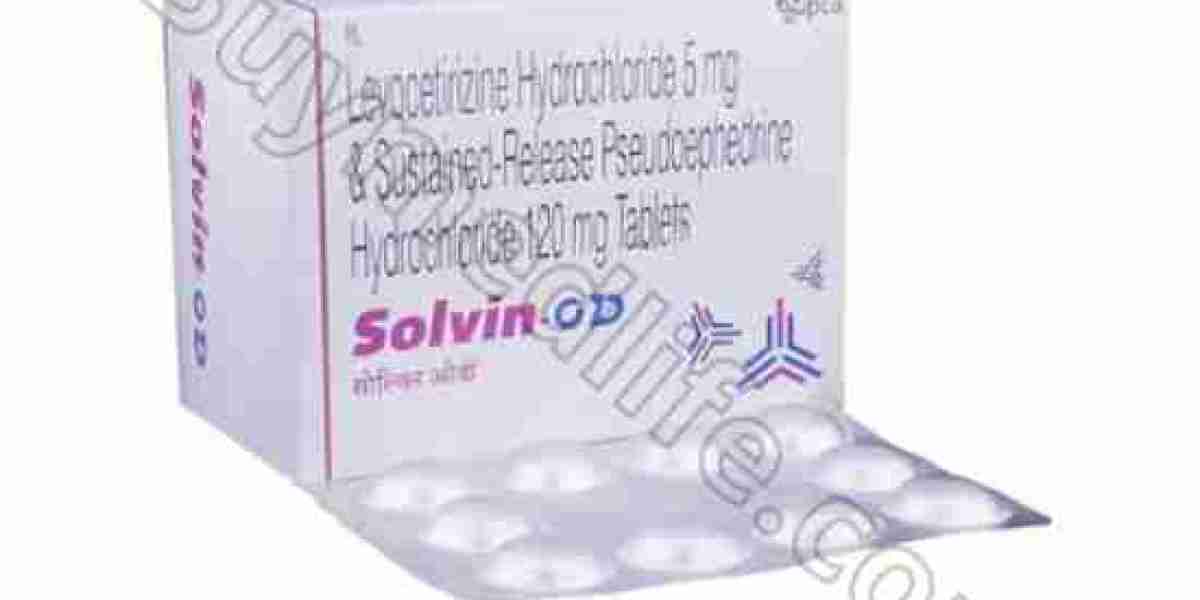
Solvin-OD Tablet SR contains Levocetirizine Hydrochloride 5 mg and Sustained-Release Pseudoephedrine Hydrochloride 120 mg. These two ingredients work differently to help manage certain allergy symptoms and nasal congestion.
What Is Solvin-OD Tablet SR?
Solvin-OD Tablet SR is a combination medicine containing an antihistamine and a decongestant.
Levocetirizine is an antihistamine that helps control allergy-related symptoms caused by histamine activity in the body. Pseudoephedrine is a decongestant that helps reduce swelling in the nasal passages, which can make breathing through the nose easier.
Because the medicine contains a sustained-release decongestant, it should be used according to the product instructions or healthcare professional's recommendation.
What Is Solvin-OD Tablet SR Used For?
Solvin-OD Tablet SR may be recommended for allergy symptoms accompanied by nasal congestion. Depending on the individual's condition, it may help relieve symptoms such as:
- Sneezing
- Runny nose
- Stuffy or blocked nose
- Nasal itching
- Watery or itchy eyes
- Allergy-related nasal discomfort
It is important to remember that not every blocked or runny nose is caused by an allergy. Your healthcare professional can help determine the likely cause of your symptoms.
How Does Solvin-OD Tablet SR Work?
The two ingredients in Solvin-OD Tablet SR have different roles.
Levocetirizine hydrochloride 5 mg helps reduce the effects of histamine. Histamine is involved in common allergic symptoms such as sneezing, itching, and a runny nose. By reducing histamine activity, levocetirizine can help control these symptoms.
Pseudoephedrine hydrochloride 120 mg acts as a nasal decongestant. It helps reduce swelling in the nasal tissues, which may improve nasal airflow and relieve stuffiness.
Together, these ingredients target different aspects of allergy-related nasal symptoms.
How Should Solvin-OD Tablet SR Be Taken?
Take Solvin-OD Tablet SR only as directed by your doctor, pharmacist, or the product information. The appropriate dosage can vary depending on factors such as age, health history, and other medicines being used.
Since it is a sustained-release formulation, the tablet should generally be swallowed whole with water. Do not crush or chew the tablet unless your healthcare professional or product instructions specifically advise otherwise.
Do not take more than the recommended amount if your symptoms do not improve.
Possible Side Effects
As with any medicine, Solvin-OD Tablet SR may cause side effects in some people.
Potential side effects can include:
- Headache
- Dry mouth
- Drowsiness
- Tiredness
- Restlessness
- Nervousness
- Difficulty sleeping
- Stomach discomfort
- Increased heart rate
Not everyone experiences these effects. If you develop severe or persistent symptoms, contact a healthcare professional promptly.
Because levocetirizine may cause drowsiness in some people, be cautious with driving or operating machinery until you know how the medicine affects you.
Important Precautions
Before using Solvin-OD Tablet SR, tell your healthcare professional about your medical history and any medicines or supplements you currently take.
Extra caution may be required if you have conditions such as:
- High blood pressure
- Heart disease
- Thyroid problems
- Glaucoma
- Kidney problems
- Difficulty urinating or prostate-related problems
Pseudoephedrine can interact with certain medicines, including some medicines used for depression and blood pressure. Avoid taking additional decongestants or antihistamines without professional advice.
If you are pregnant or breastfeeding, speak with a healthcare professional before using the medicine.
Solvin-OD Tablet SR and Other Cold Medicines
It may be tempting to combine medicines when cold or allergy symptoms become troublesome. However, several cold and allergy products can contain similar ingredients.
Taking multiple products containing antihistamines or decongestants may increase the risk of unwanted effects. Always check the active ingredients and ask a pharmacist or doctor before combining medicines.
When Should You See a Doctor?
Occasional allergy symptoms may be manageable with appropriate treatment, but persistent or worsening symptoms deserve professional attention.
Seek medical advice if you experience difficulty breathing, severe facial pain, persistent fever, chest discomfort, significant palpitations, or symptoms that do not improve.
A healthcare professional can determine whether your symptoms are related to allergies, infection, sinus problems, or another condition.
Final Thoughts
Solvin-OD Tablet SR combines levocetirizine 5 mg with sustained-release pseudoephedrine 120 mg to help manage certain allergy symptoms and nasal congestion. Its antihistamine and decongestant components work through different mechanisms, making the combination useful in appropriate situations.
However, it is not suitable for everyone. Understanding your medical history, possible medicine interactions, and potential side effects is important before use. Always follow professional medical advice and the approved product instructions rather than adjusting the dose yourself.