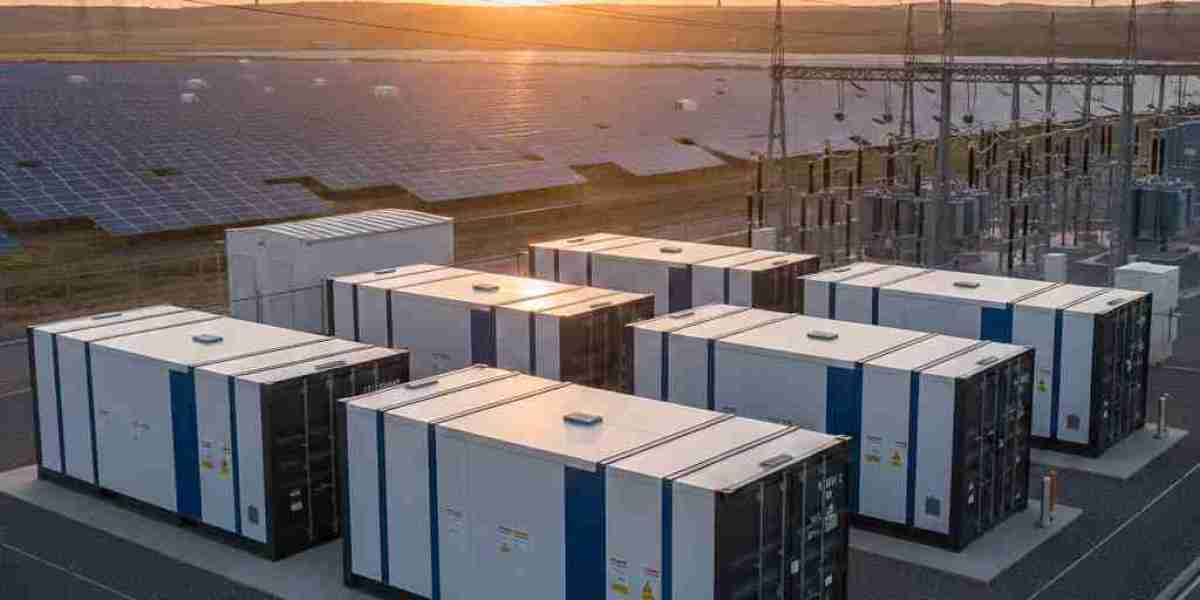
As global demand for electric vehicles, renewable energy storage, and high-performance electronics increases, researchers and companies are exploring graphene as a breakthrough material that could transform traditional battery systems.
Graphene Battery Technology, a single layer of carbon atoms arranged in a hexagonal lattice, is known for its exceptional electrical conductivity, strength, and thermal properties. These characteristics make it an ideal candidate for enhancing or replacing parts of conventional lithium-ion battery systems.
Companies such as Graphene Power Storage are working on advanced graphene-enhanced battery and supercapacitor systems aimed at improving efficiency and energy delivery in industrial and commercial applications.
What Is Graphene Battery Technology?
Graphene battery technology refers to energy storage systems that incorporate graphene into battery components such as electrodes, anodes, or conductive layers. The goal is to enhance performance beyond what traditional lithium-ion batteries can achieve.
Graphene is used to improve:
Electrical conductivity
Charge transfer speed
Thermal management
Structural stability
Cycle life
In some designs, graphene is used as an additive, while in more advanced systems it forms a core part of the battery architecture.
How Graphene Batteries Work
Graphene batteries operate similarly to conventional batteries but with enhanced internal materials:
1. Improved Electrode Design
Graphene is added to electrodes to increase conductivity and surface area, allowing faster ion movement.
2. Faster Electron Transfer
Due to graphene’s high conductivity, electrons move more efficiently during charging and discharging.
3. Enhanced Ion Mobility
Graphene structures reduce resistance, allowing ions to move quickly between anode and cathode.
4. Better Heat Dissipation
Graphene helps distribute and reduce heat buildup, improving safety and performance.
Types of Graphene Battery Technologies
1. Graphene-Enhanced Lithium-Ion Batteries
These are traditional lithium-ion batteries improved with graphene additives to enhance performance.
Features:
Faster charging
Longer cycle life
Improved thermal stability
2. Pure Graphene Supercapacitors
Energy is stored electrostatically rather than chemically.
Features:
Extremely fast charging
Very high power output
Long lifespan
3. Solid-State Graphene Batteries
These combine solid electrolytes with graphene materials for safer and more stable energy storage.
Features:
High safety
Better energy density
Reduced fire risk
4. Graphene Hybrid Energy Systems
These systems combine battery and capacitor technologies for balanced energy and power delivery.
Key Advantages of Graphene Battery Technology
1. Ultra-Fast Charging
Graphene allows batteries to charge significantly faster than traditional lithium-ion systems.
2. Longer Lifespan
Reduced internal resistance leads to fewer performance losses over time.
3. Higher Efficiency
Improved conductivity reduces energy loss during charge and discharge cycles.
4. Better Heat Management
Graphene disperses heat efficiently, reducing overheating risks.
5. Improved Safety
Lower risk of thermal runaway compared to conventional battery chemistries.
Applications of Graphene Battery Technology
1. Electric Vehicles (EVs)
Graphene batteries can improve EV range, charging speed, and battery lifespan.
2. Renewable Energy Storage
Used in solar and wind systems to store and distribute energy efficiently.
3. Consumer Electronics
Smartphones, laptops, and wearables can benefit from faster charging and longer battery life.
4. Industrial Energy Systems
Supports factories and large-scale energy storage requirements.
5. Aerospace and Defense
High-performance energy storage is critical for drones, satellites, and military systems.
Graphene Battery vs Lithium-Ion Batteries
Feature Graphene Batteries Lithium-Ion Batteries
Charging Speed Very fast Moderate
Lifespan Longer Limited
Safety Higher Moderate risk
Energy Density Improving High
Heat Resistance Excellent Moderate
While lithium-ion technology currently dominates the market, graphene batteries are being developed to overcome its limitations.
Challenges in Graphene Battery Technology
Despite its potential, graphene battery technology faces several challenges:
1. High Production Costs
Manufacturing high-quality graphene at scale remains expensive.
2. Commercial Maturity
Many graphene battery systems are still in development or early commercialization stages.
3. Energy Density Trade-Offs
Some graphene-enhanced systems prioritize power delivery over maximum energy storage.
4. Manufacturing Complexity
Integrating graphene into existing battery production lines requires advanced engineering.
Role of Graphene Power Storage in Innovation
Graphene Power Storage is part of the growing industry focused on commercializing graphene-based energy solutions. Their work includes:
Graphene-enhanced battery systems
Supercapacitor energy storage solutions
Industrial energy optimization systems
Grid-scale storage technologies
These innovations aim to improve energy efficiency, reduce charging times, and enhance long-term battery performance.
Future of Graphene Battery Technology
The future of graphene batteries is expected to evolve through:
Hybrid lithium-graphene systems
Solid-state graphene energy storage
AI-optimized battery management systems
Faster EV charging infrastructure
Large-scale renewable energy integration
As research continues, graphene is expected to play a major role in next-generation energy storage systems.
Conclusion
Graphene battery technology represents a major step forward in energy storage innovation. With advantages such as faster charging, longer lifespan, and improved safety, it has the potential to transform industries ranging from electric vehicles to renewable energy storage.
Although still developing, ongoing research and commercial efforts by companies like Graphene Power Storage suggest that graphene-based systems will become an important part of the future global energy landscape.