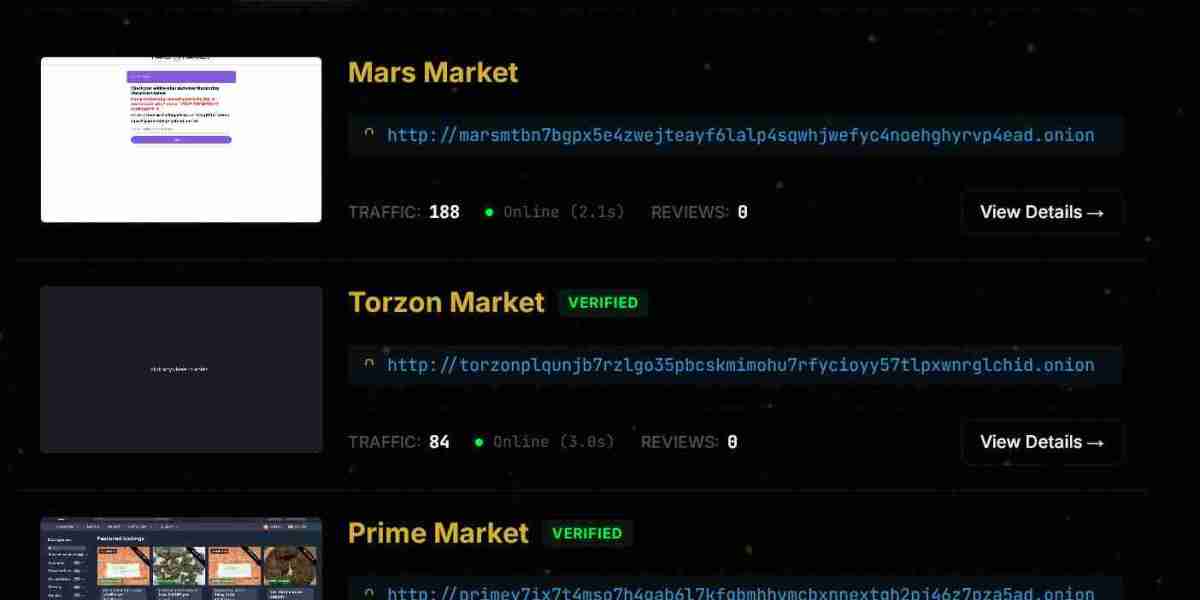
Have you ever tried to revisit a specific site on the Tor network only to find that the long string of random characters no longer loads? This experience is incredibly common for anyone navigating the deeper layers of the web, especially when looking for adult content or specialized forums. Compared to the traditional internet where a dot com address might stay the same for decades, onion links are famous for their disappearing acts - this instability is not usually a mistake or a technical failure but rather a core feature of how anonymous systems function in a high stakes digital environment.
The dark web operates on a principle of hidden services - When you access these sites, you are using a system that prioritizes the physical location of the server staying unknown. Because these platforms often host sensitive or adult oriented material, they are frequent targets for various digital attacks. If a link stays static for too long, it becomes a fixed target. By changing the address, administrators can shake off unwanted attention and keep their communities running without interference from outside groups or malicious actors.
Understanding the Nature of Onion URLs
Onion addresses are not purchased from a registrar like typical websites. They are cryptographic keys generated by the software itself, which means the address is tied directly to a specific private key. If a site owner feels that their security is compromised, they can simply generate a new key and a new address - this process is fast and requires no permission from a central authority. For adult sites, this flexibility is a vital tool for staying online when pressure builds up from competitors or network observers.
You might notice that modern links are much longer than they used to be. The transition from Version 2 to Version 3 onion services added more characters to make the addresses impossible to guess or "mine" by hackers - this extra layer of math makes the links more secure but also harder to remember. When the complex addresses change, it is often because the service is upgrading its encryption to ensure that users who visit are not being tracked by third parties who might be watching older, weaker entry points.
Security and the Logic of Rotation
Digital hygiene is the main reason these links move - Adult platforms often face Distributed Denial of Service (DDoS) attacks. In these situations, thousands of fake users flood the site until it crashes. One of the most effective ways to stop this is to move the house to a new street. By changing the URL, the administrator leaves the "flood" behind at the old address while genuine users find the new one through trusted directories or private channels.
Safety for the user is another factor - When a site stays at one digital location for too long, it is easier for analysts to map the traffic patterns going to that spot. Frequent rotation breaks the patterns. It ensures that your interest in specific niche content remains a private matter. Many people utilize a dark web directory to keep track of these shifts, as these hubs update their lists whenever a major adult portal migrates to a new cryptographic string.
- DDoS Mitigation
Moving addresses stops automated traffic from overwhelming the server. - Anonymity Preservation
Regular changes prevent long term tracking of the site's metadata. - Backend Upgrades
New links often signal a move to a more powerful or secure server.
Technical Barriers & Server Stability
The Tor network relies on volunteer nodes to pass traffic around the world. The path between you and the onion service breaks down because the middle nodes are slow or offline - this makes it look like the link has changed when it might just be temporarily unreachable. Adult site owners often run "mirrors" These are multiple identical versions of the same site running on different addresses at the same time. If one goes down, the others stay up.
Managing the mirrors is a constant job - If a server gets seized or if a hosting provider decides to stop supporting adult content, the site owner must move the data to a new host immediately - this results in a "dead link" for you and a brand new URL for them. The decentralized nature of the network means there is no "forwarding address" service. You simply have to find where the community has moved - checking updated resources for adult onion links that track active mirrors.
How to Find Reliable Paths Again
When your favorite bookmark stops working, the first step is to stay calm and avoid clicking on random links found in public comment sections. Phishing is a major risk in the adult sector of the dark web. Scammers often create fake versions of popular sites that look identical but are designed to steal your credentials. Always use a verified starting point to find the new location of a service. Reliable directories act as a lighthouse in these situations.
Direct communication is another way users stay updated - Many large adult communities have "canary" pages or encrypted chat groups where they announce new mirrors before the old ones go dark. If you are part of a specific forum, check their official announcement threads. Keeping a small, private list of these secondary sources is much more effective than relying on a single bookmark that might expire in a few weeks.
- Check a trusted onion index for recent updates.
- Verify the URL matches the expected cryptographic format.
- Look for official signed messages from the site administrators.
The Future of Private Network Browsing
The technology behind the links is always moving forward. We are seeing more "vanity" onion addresses that start with a recognizable word, making them slightly easier to identify even when they change. The core behavior of rotation will likely stay. As long as there is a need for privacy and a desire to access adult content without surveillance, the "cat and mouse" game of changing URLs will continue. It is a sign of a healthy, active security posture rather than a failing system.
For the average person, this means your browsing habits must include a bit of flexibility. Understanding that the onion network is a living, shifting area helps set the right expectations. You are trading the convenience of a permanent address for the high level of security and anonymity that only a rotating cryptographic system can provide. Stay informed, use verified hubs and always double check the authenticity of a new link before entering any private information.
FAQ
Why do my bookmarks for adult sites stop working after a month?
Many adult sites on the Tor network rotate their addresses to avoid targeted attacks and to bypass network congestion. If a link stops working, it usually means the site has moved to a new mirror for better security.
Are the new links safe to use?
They are generally safe if you find them through a reputable directory. Always be careful of phishing. Scammers often post fake links that look like the real site to steal your login details.
Is there a way to get a permanent link?
In the world of onion services, "permanent" is a relative term. Some sites keep a main address for a long time but they almost always have secondary links in case the primary one is attacked or blocked.
Does a changing link mean the site was hacked?
Not necessarily - In fact, changing the link is often a proactive step to prevent a hack. It is a standard maintenance move for administrators who want to keep their servers and their users' data hidden from prying eyes.
How can I tell if an onion link is real?
Real onion links are 56 characters long (for Version 3) - You can verify them - checking trusted community hubs or looking for a PGP signature from the site's official staff, which proves the new link is legitimate.