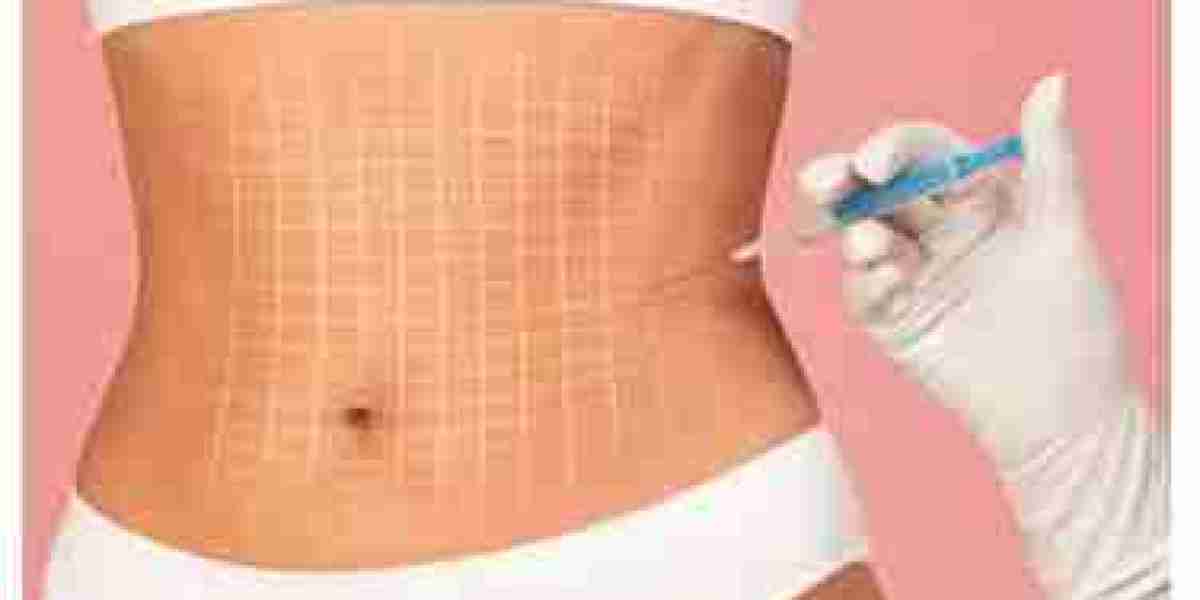
What you do in the days and weeks after treatment has a genuine influence on how smoothly you heal and how predictable your results become. Aftercare is not a courtesy footnote; it is part of the clinical protocol. Patients who follow structured guidance tend to experience fewer avoidable complications and clearer progress. This article outlines the aftercare principles that apply to fat melting injections in Dubai, covering the immediate post-treatment period, the first week, and the longer settling phase. It also explains which symptoms are expected, which require review, and why written instructions matter more than verbal reassurance.
Why Aftercare Is Part of the Treatment
Injectable fat reduction triggers a controlled inflammatory response as the body clears disrupted fat cells. How you support that process in the days after treatment affects both comfort and outcome.
Aftercare also provides an early warning system. When patients know what is normal, they can recognise what is not, and seek review promptly rather than waiting. This is why clinics that provide written aftercare tend to catch issues earlier.
The First Twenty-Four Hours
Immediately after treatment, patients are usually advised to rest the area and avoid touching or massaging it unless specifically instructed. Some clinicians apply a cooling pack briefly, while others leave the area undisturbed.
Alcohol, saunas, hot baths, and strenuous exercise are typically avoided for a defined period. Heat and exertion can increase swelling and bruising. Normal light activity is usually fine, and patients can generally return to work the same day.
Managing Swelling and Tenderness
Swelling is expected and often peaks within the first day or two. Cool compresses, applied as advised by the clinic, can help with comfort. Sleeping position may also be adjusted if the treated area is prone to fluid accumulation.
Tenderness usually eases steadily. Paracetamol is commonly suggested if needed, while anti-inflammatory medications may be discouraged in some protocols because of their effect on the healing response. Follow your clinic's specific guidance rather than self-prescribing.
Skin Care After Fat Melting Injections in Dubai
The skin at injection sites should be kept clean and left alone. Patients are typically advised to avoid harsh cleansers, exfoliants, and active skincare ingredients on the treated area until it has settled.
Makeup over injection points may be restricted briefly, depending on the clinician's advice. If a dressing was applied, follow the instructions for when to remove it. Any signs of irritation should be reported rather than treated at home.
Activity and Exercise Guidance
Exercise recommendations vary by area and protocol, but most clinics advise avoiding intense activity for a short period, often a few days. This reduces swelling and discomfort and supports tissue settling.
Gentle walking is usually acceptable and can support circulation. Patients should reintroduce training gradually rather than returning immediately to high-intensity routines. If an activity causes pain or swelling, it is reasonable to pause and check with the clinic.
Clothing and Compression Advice
Tight clothing over the treated area may be uncomfortable and can aggravate swelling. Loose, breathable clothing is generally preferred in the early period.
Some clinics recommend compression garments for specific areas or protocols. If so, patients should follow the instructions on how long to wear them. Compression is not universal, so advice should come from your clinician rather than from general sources.
Nutrition, Hydration, and Alcohol
Hydration supports normal metabolic and lymphatic function, which are involved in clearing treated fat. Patients are encouraged to drink water consistently in the days after treatment.
Alcohol is typically avoided for a short period because it can increase bruising and swelling. A balanced diet supports healing generally, though no specific food is required for this treatment. Extreme dietary changes during the recovery period are unnecessary.
What to Avoid in the Recovery Window
Certain behaviours increase the risk of complications or slow healing. Patients are usually advised to avoid:
Strenuous exercise for the advised period
Saunas, steam rooms, and hot baths briefly
Alcohol in the immediate post-treatment window
Massaging or manipulating the treated area
Blood-thinning medications unless medically necessary
Sun exposure and tanning on the treated area
This list may be adjusted by your clinician based on your specific treatment.
Recognising Warning Signs That Need Review
Most recovery is uneventful, but some symptoms require prompt contact with the clinic. Seek review if you notice:
Severe or worsening pain
Spreading redness, warmth, or swelling
Fever or chills
Pus or discharge from injection sites
Hard lumps that do not improve
Any signs of allergic reaction
These are uncommon, but they should never be managed at home or ignored in the hope they resolve.
Follow-Up and When to Expect Changes
Follow-up appointments allow the clinician to assess healing and check progress. Early changes are usually subtle, with clearer contour differences emerging over weeks and months.
Patients should not judge results in the first days, when swelling may mask any reduction. Attending scheduled reviews ensures that any concerns are addressed and that further sessions, if needed, are planned appropriately.
Why Written Instructions Matter
Verbal advice is easily forgotten or misremembered. Written aftercare instructions give patients something to refer back to, reducing uncertainty and improving adherence.
If your clinic does not provide written guidance, ask for it. The absence of documentation is itself informative about how that clinic approaches patient care.
Where Structured Aftercare Fits In
Aftercare is where clinical responsibility continues beyond the procedure room. It supports safety, comfort, and realistic expectations.
At Tajmeels Clinic in Dubai, patients receiving fat melting injections in Dubai are given clear aftercare guidance and a defined point of contact for concerns. This structure helps patients manage recovery confidently and know exactly when to seek review.
Conclusion
Aftercare for fat melting injections in Dubai involves protecting the treated area, managing swelling, avoiding heat, alcohol, and strenuous activity briefly, and knowing which symptoms warrant review. Hydration, gentle activity, and following your clinic's written instructions support smoother healing. Most recovery is straightforward when guidance is followed. If you are considering treatment, ask for written aftercare before you consent, and treat it as seriously as the procedure itself, because it directly affects your comfort and results.
Book Your Consultation at Tajmeels Clinic
Book your consultation at Tajmeels Clinic to discuss your goals, treatment options, expected results, and recovery with our medical team. Contact us today to learn whether treatment is suitable for you and receive an individualized treatment plan.
WhatsApp: +971 56 203 8751
Phone: +971 4 373 9000
Social Media: