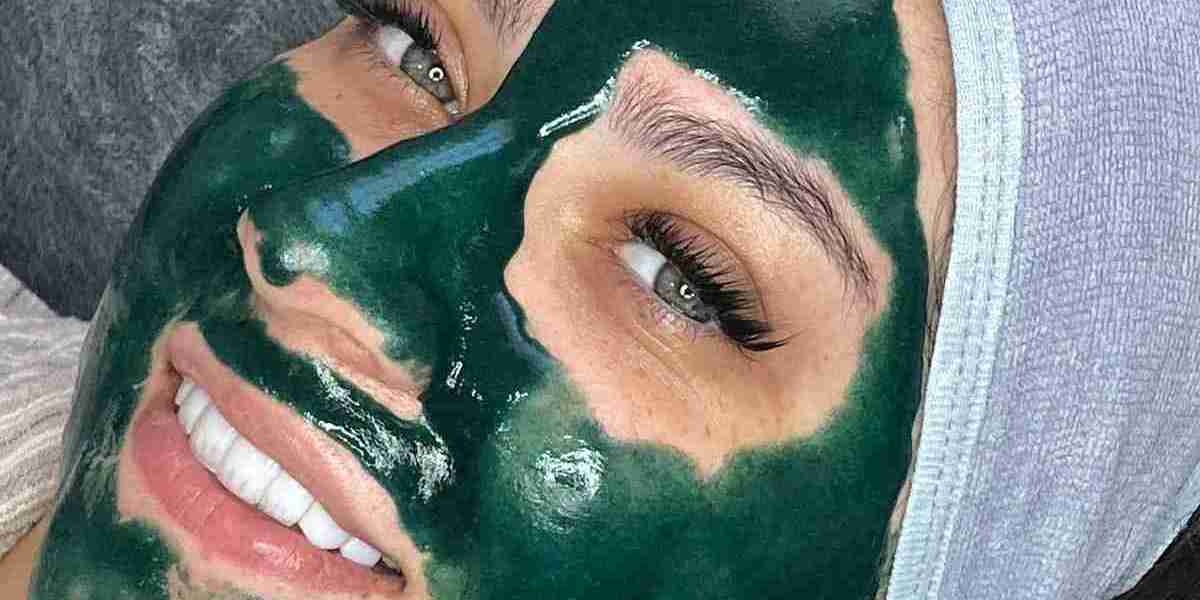
Skin is not uniform across patients, and treatments that work well for one person can behave very differently in another. Green Peel Treatment in Dubai is often discussed as though it suits everyone equally, but that assumption oversimplifies how skin responds to exfoliation and mechanical stimulation. Skin type, tone, sensitivity, and underlying condition all influence whether the treatment is appropriate and how it should be performed. This article examines how different skin types respond, why tone matters for risk assessment, and how clinicians adapt their approach rather than applying a single protocol to every patient.
Why Skin Type Changes the Equation
Skin type influences how quickly cells turn over, how much oil is produced, how reactive the barrier is, and how readily pigmentation develops after injury. Two patients requesting the same treatment may need different intensities, different spacing between sessions, or entirely different approaches.
This is why a proper consultation involves examining the skin rather than simply asking what concern the patient wants addressed. The concern tells the clinician what the patient wants to change; the skin type tells them how safely that change can be pursued.
Oily and Acne-Prone Skin
Patients with oily or acne-prone skin often seek exfoliating treatments because of congestion, enlarged pores, and post-acne marks. The Green Peel's exfoliating and circulation-stimulating action may suit this group reasonably well, provided active breakouts are not present.
Important considerations for this skin type include:
Active inflammatory acne may be a temporary contraindication
Current use of prescription acne treatments affects timing
Oil production may return quickly, so maintenance matters
Post-acne pigmentation often responds gradually rather than immediately
In our clinical experience, patients with oily skin frequently tolerate resurfacing treatments well, but the plan must account for what happens after the session, not just during it.
Green Peel Treatment for Dry and Dehydrated Skin
Dry skin presents a different set of considerations. A compromised barrier means the skin is already losing moisture more readily, and exfoliation can aggravate that if not managed carefully.
Clinicians typically approach dry skin with:
Lower intensity in the initial session
Emphasis on barrier support before and after treatment
Careful product selection for aftercare
Longer intervals between sessions if a series is planned
Patients with dehydrated skin may notice more tightness during recovery than those with oilier skin. This is manageable with appropriate moisturizing but should be anticipated.
Sensitive and Reactive Skin
Sensitivity exists on a spectrum. Some patients have genuinely reactive skin that flushes, stings, or develops irritation easily. Others simply believe their skin is sensitive without clinical confirmation.
For genuinely reactive skin, candidacy may be limited or require significant modification. Signs that warrant caution include:
Frequent unexplained redness or flushing
Reactions to multiple skincare products
History of contact dermatitis
Diagnosed rosacea or eczema
Patients in this category should not assume the treatment is off the table, but they should expect a more conservative approach and possibly a patch test beforehand.
Green Peel Treatment Skin Tone and Pigmentation Risk
Skin tone is one of the most important variables in candidacy assessment. Patients with darker skin tones carry a higher baseline risk of post-inflammatory hyperpigmentation following any procedure that disrupts the skin barrier.
This does not mean the treatment is unsuitable. It means the clinician must:
Assess the individual's history of pigmentation after injury
Adjust intensity and technique accordingly
Space sessions more conservatively
Emphasize sun protection during recovery
Consider whether an alternative approach carries lower risk
A clinician who applies identical protocols regardless of skin tone is not accounting for a well-established clinical reality.
Mature Skin Considerations
As skin ages, it thins, turnover slows, and barrier function becomes less efficient. Mature patients can still benefit from resurfacing treatments, but recovery may take longer and results may be more modest.
For this group, clinicians often focus on:
Realistic goal setting
Gradual rather than aggressive treatment
Supportive aftercare to aid healing
Combining approaches where a single treatment cannot address all concerns
Mature skin rarely responds dramatically to any single modality. Consistency and appropriate planning matter more than intensity.
Skin Conditions That Affect Suitability
Certain diagnosed conditions require caution or exclusion:
Active eczema or psoriasis in the treatment area
Rosacea in a flare phase
Active infections, including fungal or viral
Recent isotretinoin use, which requires a waiting period
Known allergy to botanical ingredients
Some of these are temporary. Others mean the treatment is unlikely to be appropriate at all. Only professional assessment can determine which category applies.
Why Individual Assessment Beats General Rules
Online guidance can describe tendencies, but it cannot examine your skin. A clinician looks at barrier function, oil balance, pigmentation history, vascular reactivity, and current condition before deciding whether to proceed.
This is the value of a consultation-first approach. Tajmeels Clinic in Dubai evaluates skin type and tone as part of treatment planning, which allows recommendations to be tailored rather than generic. Patients benefit when the plan reflects their actual skin rather than a standard protocol.
Key Takeaways
Skin type and tone significantly influence whether Green Peel Treatment in Dubai is appropriate and how it should be performed. Oily, dry, sensitive, mature, and darker-toned skin each carry distinct considerations. Some conditions require postponement, while others may rule the treatment out entirely.
If you are considering this treatment, do not rely on general descriptions of "suitable skin." Arrange an assessment so a clinician can evaluate your specific skin and explain what a realistic plan would involve.
Book Your Consultation at Tajmeels Clinic
Book your consultation at Tajmeels Clinic to discuss your goals, treatment options, expected results, and recovery with our medical team. Contact us today to learn whether treatment is suitable for you and receive an individualized treatment plan.
WhatsApp: +971 56 203 8751
Phone: +971 4 373 9000
Social Media: