


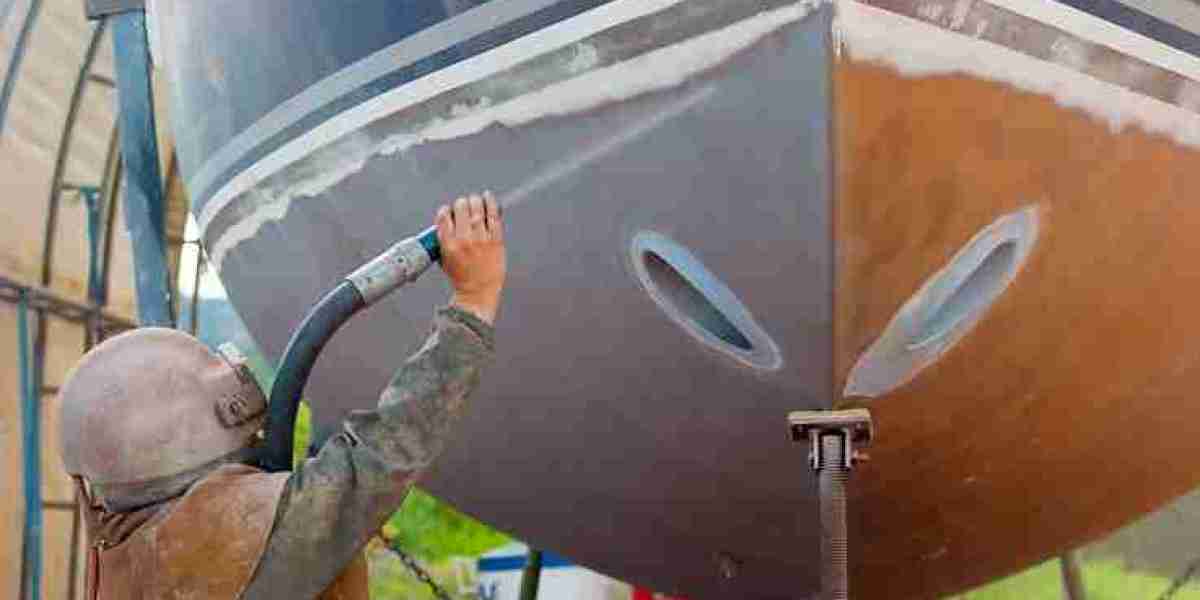
Match the media to the surface, not to the coating. Soda and walnut shell suit wood and soft metal, glass beads suit clean finishing, and garnet or aluminum oxide suit steel. The common mistake in paint removal is reaching for the hardest grit because it cuts fastest, then paying to repair what it cut.
Rank the media by hardness
Vaniman, a supplier of micro media, rates aluminum oxide at 8 to 9 on the Mohs scale, glass beads at 5 to 6, walnut shell at 3 and sodium bicarbonate at 2.5. A technical guide from Australia’s Quantum Blast puts garnet at 7 to 8. That gives five rungs, and each one trades cutting speed for gentleness. A one-rung change can mean the difference between a clean part and a scarred one.
A softer rung removes coating and leaves the surface alone, according to Vaniman, though that is a vendor claim. I’d read it as a direction, not a guarantee. paint removal on a thin or soft surface should start on the lowest rung that still works, and climb only when a test patch fails.
Use walnut shell or soda on wood and soft metal
Vaniman calls walnut shell the best media for wood and describes it as jagged but soft. A plating shop’s guide agrees that walnut shells and corn cobs suit softer surfaces such as wood and will not etch them. Both sources sell or use media, so I’d confirm the claim with a test patch.
Soda has a quirk. A supplier guide notes that it dissolves easily and absorbs moisture fast, which makes storage fussy and rinsing simple. Quantum Blast reports that wet delivery is the better route for soda in its own work.
Use glass beads when the finish matters
Glass beads are round, so they peen more than they cut. Vaniman lists polishing, prep and texturing as their best work, and a plating shop notes they place minimal stress on the surface. I’d choose them for cast aluminum or stainless trim, where a bright, even face matters more than speed. The same shop calls aluminum oxide the pick for paint removal and general cleaning, which fits the steel advice below. Beads also leave a satin texture, which some paint systems like and others do not, so ask your painter.
Use garnet or aluminum oxide on steel
Harder minerals such as garnet and aluminum oxide cut through tough coatings on steel and leave a rough texture that new paint can grip, according to the Athi Group. The same guide says aluminum oxide fractures on impact, so it suits short single-use jobs, while garnet recycles well.
Here the mistake runs the other way. Soft media on heavy, rusted steel is slow, and it leaves a smooth surface that new coatings peel from. The owner pays twice, once for the blast and again for the repaint. In paint removal, too gentle fails as surely as too rough.
Stay off silica sand
NIOSH advised against crystalline silica sand as blasting media back in 1974, and OSHA’s limit for respirable crystalline silica is 50 micrograms per cubic meter over an eight-hour shift, according to a 2026 safety guide. Crushed glass is free from crystalline silica, the Athi Group notes, and it lasts far longer than sand. A crew that offers cheap paint removal with sand has put its savings ahead of your air. Ask any crew for the media name and its safety data sheet, and walk away from a vague answer.
Media choice works on simple parts and breaks on mixed ones
A clean choice exists when the part is one material with a known coating. It breaks on mixed assemblies. Say a livestock trailer has a heavy steel frame and a thin aluminum skin. I’d run garnet on the frame, soda or walnut on the skin, and test both on a hidden corner first. BlastTechs lists horse and livestock trailer restoration among its projects, and that kind of job is where a two-media plan earns its keep.
Compare cost with care. Say garnet finishes a gate in two hours and walnut shell takes four. At a modest hourly rate the saving is real. If garnet pits the thin scrollwork, the repair wipes it out. Choose on the substrate first and the clock second.
Run a test patch first
Before any crew starts, request a trial area on a hidden spot and inspect it in daylight. If the surface looks cut or fuzzy, drop one rung on the hardness scale. If paint remains, climb one. Choose the rung, then confirm it on the part itself. Write down the media, pressure and distance you used, so the crew can repeat the setting on the full job. A patch costs ten minutes, and it settles the media argument better than any brochure.
Frequently Asked Questions
Q: What is the softest blasting media?
A: Sodium bicarbonate sits near 2.5 on the Mohs scale, according to Vaniman and Quantum Blast. Walnut shell follows at about 3.
Q: Is walnut shell good for wood?
A: Vendors and a plating shop both recommend it for wood because it is soft and does not etch. Run a test patch first, since grain varies.
Q: Why avoid silica sand?
A: NIOSH has recommended against it since 1974, and OSHA sets a 50 microgram limit on respirable crystalline silica. Safer media are widely available.
Q: What does hardness cost me?
A: Harder media cut faster and leave a rougher surface. That helps on steel that needs a grip for new paint and hurts on thin or soft parts.



