


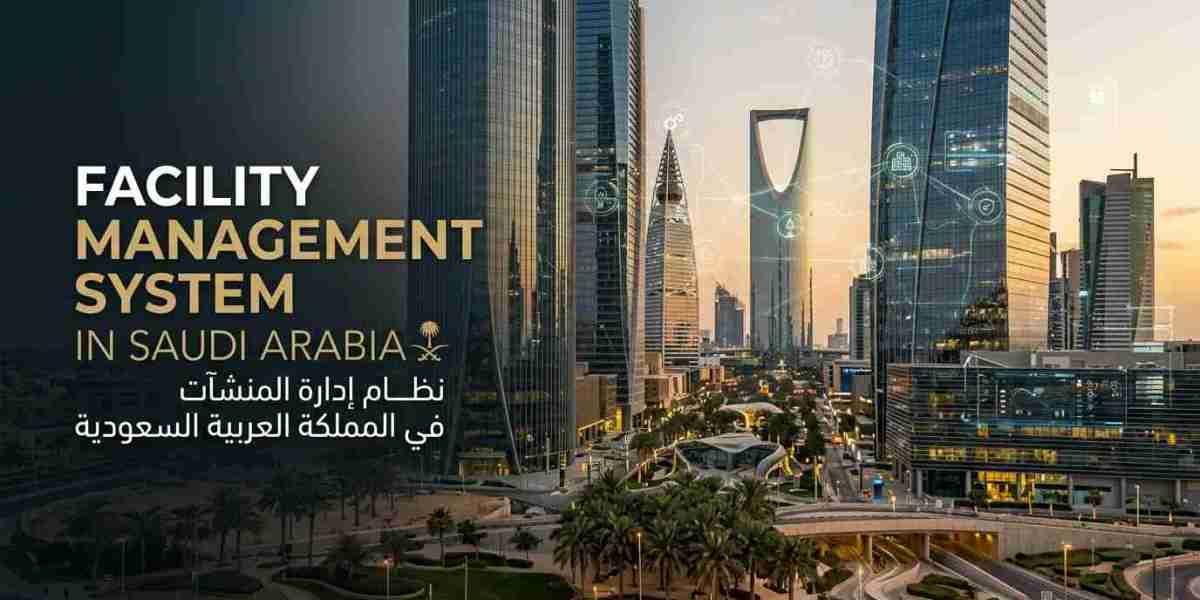
Managing modern buildings requires more than responding to maintenance requests when something breaks. From air conditioning and electrical systems to elevators, lighting, security, and energy consumption, facility teams need to coordinate many activities every day. A Facility Management System in Saudi Arabia helps businesses organize these responsibilities by connecting maintenance tasks, asset records, inspections, and building operations through one digital platform. For offices, shopping malls, hotels, hospitals, residential complexes, and commercial properties, this approach can make it easier to monitor building conditions, plan maintenance, and keep essential services running reliably.
As buildings become more connected, facility managers also need a better way to use information from sensors, building control systems, and maintenance records. The goal is not simply to introduce new technology. We want to understand what is happening inside a building, identify problems early, and give the right teams the information they need to act.
What Is a Facility Management System
A facility management system is software that helps organizations manage the daily operation and maintenance of their buildings, equipment, and facilities. It provides a central location for information that might otherwise be spread across spreadsheets, paper forms, emails, and separate applications.
Depending on the platform, facility management software may include features such as
Maintenance requests and work orders
Asset management and service history
Preventive maintenance scheduling
Building inspections and audits
Contractor and technician assignments
Energy and utility monitoring
Space and facility records
Inventory and spare parts tracking
Safety and compliance documentation
Reports and operational dashboards
Some systems focus mainly on maintenance, while others connect maintenance with building automation, energy management, and other facility services.
For example, a facility manager responsible for a commercial building in Riyadh may need to track air conditioning maintenance, elevator inspections, lighting faults, and tenant requests. A centralized system can help the manager see these activities together rather than checking several separate records.
The right solution depends on the size of the facility, the equipment it contains, and the level of control the organization needs.
Why Smart Building Operations Matter in Saudi Arabia
Buildings across Saudi Arabia serve different purposes, from commercial offices and hotels to healthcare facilities, educational campuses, industrial sites, and large residential developments. Each type of property has its own maintenance requirements and operational challenges.
Air conditioning is especially important in a region where high outdoor temperatures can place considerable demands on cooling systems. If an HVAC unit fails during a busy period, it may affect occupant comfort, business activities, and the use of certain areas.
Other building systems also need regular attention. Elevators, fire safety equipment, electrical installations, water systems, and backup generators must be maintained according to their requirements.
Smart building operations involve using connected systems and reliable operational information to monitor and manage these activities more effectively.
A facility management system can help by keeping asset records updated, organizing maintenance schedules, and providing a clearer view of unresolved problems. When integrated with suitable building systems, it may also help teams respond to equipment alerts and monitor selected operating conditions.
However, not every facility needs advanced automation. A smaller property may benefit most from organized maintenance requests and preventive schedules, while a large commercial complex may need deeper integration with building management systems and sensors.
How Facility Management Software Supports Building Automation
Building automation systems monitor and control equipment such as HVAC units, lighting, pumps, and other mechanical or electrical systems. Facility management software serves a different but related purpose by organizing the work required to operate and maintain those assets.
When these systems are integrated, information can move between monitoring equipment and maintenance workflows.
For example, a building management system may identify an abnormal condition in an air handling unit. If the integration supports it, the alert can create or inform a maintenance work order. The maintenance team can then review the issue, assign a technician, and record the work completed.
This connection can help reduce delays between detecting a problem and arranging the required response.
Depending on the technology available, integrations may support
HVAC monitoring and maintenance
Lighting system alerts
Equipment status updates
Utility meter readings
Temperature and humidity monitoring
Fault notifications
Automated maintenance requests
A connected system does not mean every building issue will be detected automatically. Sensors must be installed and configured appropriately, alerts need to be reviewed, and staff must follow through on the required actions.
The purpose is to give facility teams better information and a more organized way to respond.
Preventive Maintenance for Reliable Building Systems
Waiting until equipment fails can lead to urgent repairs, service interruptions, and unexpected costs. Preventive maintenance helps businesses plan inspections and servicing before problems develop.
With building maintenance software, facility teams can schedule recurring tasks based on time intervals, operating hours, manufacturer recommendations, or other relevant requirements.
For example, a maintenance plan may include
Regular HVAC servicing
Elevator inspections
Generator testing
Electrical system checks
Plumbing inspections
Fire safety equipment checks
Water pump maintenance
Lighting system inspections
When a task becomes due, the system can notify the responsible employee or create a work order, depending on its capabilities.
Technicians can update the task, record observations, attach photographs, and document the work completed. These records help managers review maintenance history and identify assets that repeatedly require attention.
Preventive maintenance cannot eliminate every unexpected failure, but it can reduce reliance on emergency repairs and help organizations manage routine responsibilities more consistently.
Asset Management Across Multiple Facilities
A large building may contain hundreds or thousands of assets, each with its own location, maintenance needs, service history, and replacement considerations.
Keeping this information accurate is an important part of asset management.
A facility management system can maintain records for equipment such as chillers, elevators, pumps, generators, electrical panels, and air handling units.
An asset record may include
Asset identification number
Equipment name and location
Manufacturer and model
Installation date
Warranty information
Inspection history
Previous repairs
Maintenance schedule
Current condition or status
When this information is connected with work orders, technicians can review an asset's history before starting a new job.
For example, if a chiller has experienced repeated faults, the maintenance team can examine previous repairs and inspection results to decide whether further investigation is needed.
For organizations operating properties in Riyadh, Jeddah, Dammam, or other Saudi cities, centralized asset records can also help managers compare maintenance requirements across different sites.
Using Data for Smarter Facility Operations Management
Facility teams generate useful information every day. Maintenance requests, inspection results, equipment alerts, energy readings, and service records can all help managers understand how a building is performing.
Facility operations management becomes easier when this information is recorded consistently and reviewed regularly.
A facility management system may provide reports on
Open and completed work orders
Overdue preventive maintenance
Repeated equipment failures
Technician workload
Maintenance costs
Asset downtime
Energy and utility consumption
Inspection findings
Suppose a building's cooling system repeatedly generates maintenance requests during periods of high demand. Managers can review the equipment history, operating conditions, and maintenance records to determine whether the system requires additional servicing or a more detailed technical assessment.
Similarly, energy reports may reveal unusual consumption patterns that deserve further investigation.
Reports do not automatically explain why a problem exists. They help identify where attention is needed, while facility professionals determine the appropriate response.
Energy Management and Occupant Comfort
Energy consumption is an important consideration for many buildings in Saudi Arabia, particularly those that depend heavily on cooling systems.
Smart facility management can help organizations monitor utility use, identify unusual patterns, and review how building systems operate throughout the day.
When supported by suitable integrations, facility management software may collect information from meters, sensors, and building automation systems. Managers can use this information to investigate unnecessary energy use and identify opportunities for operational adjustments.
For example, if a meeting area remains cooled after working hours, the organization may review its schedules and control settings. If a particular piece of equipment consumes more energy than expected, the maintenance team can investigate whether it is operating correctly.
Any adjustments should account for occupant comfort, indoor air quality, equipment requirements, and safety. Reducing energy consumption should not come at the expense of a suitable indoor environment.
Choosing a Facility Management System in Saudi Arabia
Selecting the right platform starts with understanding how your buildings are currently managed and where your team needs better visibility.
Before making a decision, consider the following capabilities.
Maintenance management for service requests, work orders, and preventive schedules.
Asset management for equipment records, warranties, and maintenance history.
Mobile access so technicians can update tasks while working on site.
Building system integration for supported alarms, sensors, meters, and automation equipment.
Reporting tools to review maintenance performance, costs, and recurring problems.
Multi-site management for businesses operating several properties.
Arabic and English support where it suits the workforce and operational requirements.
Access controls and data protection to manage sensitive facility information.
Integration capabilities for existing accounting, procurement, inventory, or enterprise systems.
You should also ask how the system will be implemented, whether historical asset data can be imported, and what training will be provided to employees.
For Saudi organizations, it may be useful to review hosting arrangements, applicable data protection requirements, local support availability, and the vendor's ability to meet internal security policies.
A platform with many features is not always the best choice. The most suitable system is one that fits your current workflows and can be used consistently by facility managers, technicians, contractors, and other authorized users.
Practical Steps for Implementing Smart Facility Management
Introducing a new system works best when the organization starts with a clear plan.
First, review existing maintenance processes and identify where requests are delayed, asset information is incomplete, or inspections are difficult to track.
Next, prioritize the functions that would provide the most immediate value. A business might begin with asset records, maintenance requests, and preventive maintenance schedules before introducing building automation integrations.
The next step is to organize the data. Asset names, locations, maintenance schedules, and responsible teams should be recorded consistently so employees can rely on the information.
Training is equally important. Technicians should know how to receive and update work orders, while managers should understand how to review reports and follow up on overdue tasks.
Finally, review the results after implementation. Look at maintenance completion rates, recurring failures, response times, and feedback from employees. These measures can help you determine whether the system is supporting better facility operations or whether certain workflows need adjustment.
Final Thoughts
A Facility Management System in Saudi Arabia can help organizations coordinate building maintenance, asset management, preventive maintenance, and smart building operations through a more organized digital process.
When facility management software is connected with suitable building systems, teams may also gain better visibility into equipment conditions, energy use, and maintenance alerts. This can help them investigate problems earlier and plan work more effectively.
The real benefit comes from combining useful technology with accurate records, qualified maintenance staff, clear responsibilities, and regular reviews. Whether you manage one commercial building or a portfolio of facilities, the right system should make everyday tasks easier to organize and important information easier to access.
For Saudi businesses planning smarter facility operations, a practical starting point is to identify the biggest maintenance challenges, choose software that addresses those needs, and expand its capabilities as the organization becomes ready. This approach helps build a reliable foundation for maintaining buildings, supporting occupants, and managing facility resources over the long term.



