


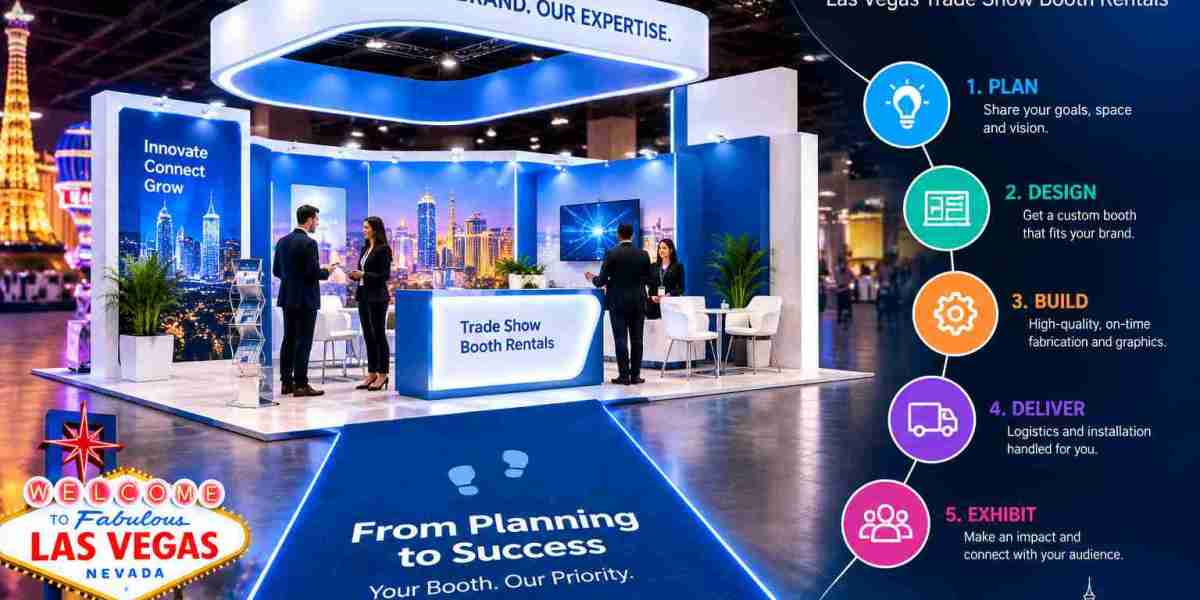
Choosing the right trade show display design is an important step toward building a strong brand presence at exhibitions and industry events. A well-planned display helps businesses attract visitors, communicate their message, showcase products, and create meaningful connections with potential customers. With numerous exhibitors competing for attention, companies need a display that reflects their identity while making their booth inviting and memorable. Whether you are preparing for a local exhibition or a major event in Las Vegas, selecting the right design can help you make better use of your space, support your marketing goals, and create a professional impression.
1. Understand Your Brand Identity Before Choosing a Design
Before exploring different display styles, take time to understand your brand identity. Your exhibition booth should communicate what your business represents and what makes your products or services different from those of your competitors.
Consider your brand's values, visual identity, target audience, and primary marketing message. These elements will help guide decisions about colors, graphics, layout, lighting, and interactive features.
For example, a technology company may prefer a modern booth with digital screens, clean lines, and interactive demonstrations. A company selling sustainable products might choose natural materials, simple graphics, and environmentally conscious design elements.
Consistency is essential. Use your established logo, brand colors, typography, and messaging throughout the display. When visitors recognize your brand immediately, they can understand your business more easily and are more likely to remember it after the event.
2. Define Your Exhibition Goals
Every exhibition should have a clear purpose. Some companies participate to generate leads, while others focus on launching products, building partnerships, increasing brand awareness, or meeting existing customers.
Your objectives should influence your display design from the beginning.
If lead generation is your main goal, create an inviting space where visitors can speak comfortably with your sales team. Include a reception counter, product information, and a designated area for conversations.
If you are launching a new product, position it where visitors can see it immediately. Use demonstrations, product displays, and concise messaging to explain its main benefits.
For brand awareness, emphasize recognizable visuals, clear messaging, and a distinctive booth structure. If networking is important, include seating or semi-private meeting areas.
Establishing measurable objectives also helps you evaluate the success of your exhibition. You might track visitor numbers, qualified leads, product demonstrations, scheduled meetings, or post-event enquiries.
A design that supports specific business objectives is more valuable than one created solely for visual appeal.
3. Evaluate Your Available Booth Space
The size and configuration of your exhibition space significantly influence your design options. A small booth requires a different approach from a large island exhibit, so you should assess the available dimensions before finalizing your layout.
For smaller spaces, prioritize essential information and avoid overcrowding. Vertical graphics, compact counters, wall-mounted displays, and carefully positioned product samples can help maximize the available area.
Larger booths provide opportunities for product demonstrations, meeting spaces, multiple display zones, and immersive brand experiences. However, extra space should have a clear purpose rather than being filled with unnecessary elements.
Consider how visitors will enter, move through, and leave the booth. Keep important displays visible from the aisle and ensure staff members can interact with visitors without blocking access.
You should also account for storage, electrical connections, lighting equipment, and any venue-specific restrictions.
A well-organized layout improves visitor comfort and makes your booth easier to navigate. Before approving the design, review the floor plan and confirm that the proposed structure fits the assigned space.
4. Select the Right Display Style
Different display formats offer different advantages. The right choice depends on your budget, booth size, brand image, and exhibition schedule.
Common options include:
Pop-up displays: Suitable for businesses that need a lightweight, portable presentation for smaller events.
Modular displays: Flexible systems that can be rearranged for different booth sizes and exhibition requirements.
Custom exhibits: Designed around specific brand requirements, product features, and visitor experiences.
Island displays: Open layouts accessible from multiple sides, making them useful for larger exhibition spaces.
Backwall displays: Useful for establishing a clear visual identity and presenting essential marketing information.
Interactive displays: Incorporate touchscreens, digital presentations, or product demonstrations to encourage engagement.
Think about how frequently you exhibit and whether you need to reuse the display at different venues. A modular system may be more practical for a business attending multiple events throughout the year, while a custom design may better support a major product launch.
Compare portability, installation requirements, storage needs, visual impact, and long-term costs before making a decision.
5. Use Graphics and Messaging Strategically
Graphics are among the first elements visitors notice when approaching an exhibition booth. However, effective graphics do more than look attractive. They communicate your brand's value quickly and encourage visitors to learn more.
Start with a clear headline that explains what your company offers. Follow it with a concise supporting message that identifies a benefit, solves a customer problem, or highlights a product advantage.
Avoid filling every available surface with text. Visitors often pass booths while walking through busy exhibition halls, leaving limited time to absorb information. Large headlines, readable typography, high-quality images, and carefully selected product visuals are generally more effective than dense paragraphs.
Make sure the logo is easy to identify from a reasonable distance. Use contrasting colors to improve readability and maintain consistency across banners, counters, screens, and printed materials.
When displaying technical products or complex services, organize information into clear sections. Use diagrams, photographs, or short visual explanations to simplify complicated concepts.
Before production, review the graphics at both full size and from a distance. This helps identify text that may be too small, colors that lack contrast, or important messages that are difficult to notice.
6. Pay Attention to Lighting and Visual Appeal
Lighting can transform an ordinary booth into a more engaging exhibition environment. It directs attention, highlights important products, and contributes to the overall atmosphere.
Ambient lighting provides general illumination, while accent lighting draws attention to particular products, architectural features, or branded elements. Backlighting can make selected graphics stand out, and focused lighting can improve the visibility of product demonstrations.
The lighting strategy should match your brand identity. A technology brand might choose crisp, contemporary lighting, while a luxury product company could use warmer illumination to create a refined atmosphere.
Avoid excessive brightness, distracting color changes, and glare on screens or reflective surfaces. Poorly positioned lights can make displays uncomfortable to view and reduce the effectiveness of product demonstrations.
It is also important to check venue restrictions, power availability, and installation requirements before selecting lighting equipment.
A balanced lighting plan makes your display easier to see and helps create a welcoming environment without overwhelming visitors.
7. Incorporate Interactive Features
Interactive elements can encourage visitors to spend more time at your booth and explore your products in greater detail. When selected carefully, they turn passive viewing into active participation.
Depending on your industry and objectives, you might incorporate:
Touchscreen product catalogs.
Live product demonstrations.
Augmented reality experiences.
Interactive quizzes or product selectors.
Digital presentations and educational videos.
Demonstration stations for testing products.
QR codes linking to brochures, product pages, or enquiry forms.
For example, a manufacturing company could demonstrate how its equipment works, while a software provider could offer short guided product demonstrations.
Interactive features should serve a specific purpose. Adding technology simply because it appears modern can increase costs without improving visitor engagement.
Make sure the technology is easy to use, reliable, and supported by staff who can explain its benefits. Have backup materials available in case a screen, internet connection, or demonstration system stops working.
The most effective interactions provide useful information while making it easy for visitors to take the next step.
8. Prioritize Visitor Comfort and Accessibility
A visually impressive booth may still perform poorly if visitors find it difficult to enter, navigate, or interact with staff.
Design the layout around the visitor experience. Provide clear pathways, keep entrances unobstructed, and position important displays where people can approach them comfortably.
If your booth includes seating, ensure there is enough room for visitors and staff to move around. For longer conversations, consider a dedicated meeting area that offers some separation from busy demonstration zones.
Accessibility should also be considered from the planning stage. Maintain appropriate clearances, provide accessible routes, position important information where it can be viewed comfortably, and follow applicable accessibility requirements.
Staff placement matters as well. Team members should be easy to approach without creating a barrier at the booth entrance. Encourage friendly greetings and attentive conversations rather than allowing staff to cluster together or remain distracted by their phones.
A comfortable, accessible environment helps visitors feel welcome and makes it easier for your team to build meaningful business relationships.
9. Set a Realistic Budget
Your budget should cover more than the initial design or display structure. Exhibition expenses may include graphics, lighting, transportation, installation, dismantling, storage, technology, furniture, and venue-related charges.
Prepare a complete budget before committing to a design. This allows you to compare options fairly and avoid unexpected costs later.
Consider the difference between purchasing a display and renting one. Purchasing may suit companies that exhibit frequently and want to maintain a consistent setup. Renting can be attractive for businesses attending occasional events, testing new layouts, or seeking a professional presentation without managing long-term ownership.
A rental solution may also provide access to different configurations as exhibition requirements change. However, the final value depends on the rental package, customization options, service inclusions, and total event costs.
Prioritize features that directly support your objectives. Strong graphics, effective lighting, and an intuitive layout may provide greater value than expensive decorative elements that visitors rarely notice.
Request detailed quotations, clarify what is included, and confirm deadlines before approving the final design.
10. Consider Rental Flexibility for Las Vegas Exhibitions
Las Vegas hosts a wide variety of major trade shows, conferences, and industry events. Businesses exhibiting in the city often need a booth that looks professional, complies with venue requirements, and can be prepared within a demanding event schedule.
Renting an exhibit can be a practical option when you want a customized presentation without taking responsibility for long-term display ownership.
When comparing rental providers, examine their design capabilities, experience with exhibition venues, production timelines, installation support, and communication processes. Ask how changes to graphics, layout, or product presentation will affect the quotation and schedule.
Review the proposed design carefully before production begins. Confirm booth dimensions, artwork specifications, lighting placement, electrical needs, and any applicable show regulations.
You should also clarify who is responsible for delivery, installation, dismantling, and handling unexpected issues during the event.
A reliable partner can help coordinate these details and reduce the workload for your internal team. Planning early gives you more time to review concepts, refine messaging, and ensure that the final booth supports your marketing strategy.
11. Choose Materials That Balance Appearance and Durability
The materials used in your booth influence its appearance, durability, transportation requirements, and overall cost.
Common materials include aluminum framing, fabric graphics, engineered wood, acrylic, laminated panels, and other exhibition-grade finishes. Each has different characteristics, so selection should reflect your design goals and expected usage.
Lightweight components can simplify transportation and installation, while durable finishes may be valuable for displays used repeatedly. Fabric graphics can provide a clean visual finish and may be convenient for certain modular systems. Rigid panels can support specific architectural features or product presentation requirements.
Sustainability may also be an important consideration. Reusable structures, replaceable graphics, recyclable materials, and rental components can help reduce unnecessary waste, depending on the materials and local recycling facilities available.
Ask suppliers about maintenance, replacement parts, storage conditions, and the expected lifespan of key components.
The best choice balances visual quality with practical considerations, ensuring your display remains suitable for its intended use.
12. Make Your Product the Center of Attention
Your booth should make it easy for visitors to understand what you offer and why it matters. Products and services should not become secondary to decorative elements.
Identify the most important product or message and give it a prominent position. Use demonstration counters, display stands, product samples, or dedicated presentation areas to show relevant features.
For products that are difficult to transport, consider videos, interactive models, diagrams, or digital demonstrations. These alternatives can help visitors understand how a product works without requiring the physical item to occupy valuable booth space.
Keep supporting materials organized and ensure staff members can explain the product's benefits clearly.
Avoid presenting too many unrelated messages at once. A focused display helps visitors recognize your main offering and remember the information that matters most.
When every design element supports a clear product story, your booth becomes a more effective tool for education, engagement, and sales conversations.
13. Measure Performance After the Exhibition
A successful exhibition does not end when the booth is dismantled. Evaluating performance helps you identify which design decisions worked and what should change for future events.
Before the exhibition, establish a few key performance indicators. Depending on your objectives, these might include:
Number of qualified leads collected.
Number of product demonstrations completed.
Visitor engagement and time spent at the booth.
Meetings scheduled with prospective customers.
Sales opportunities generated after the event.
Cost per qualified lead.
After the show, compare the results with your original targets. Ask staff which areas attracted attention, which messages generated conversations, and whether the booth layout supported efficient interactions.
Gather feedback from visitors when appropriate, and review the performance of digital tools, demonstration areas, and lead-capture systems.
A booth that generates substantial foot traffic but few qualified leads may need clearer messaging or better visitor qualification. A booth with strong conversations but limited visibility may benefit from improved signage or a more open layout.
Use these findings to refine your next exhibition strategy and allocate your budget more effectively.
14. Avoid Common Display Design Mistakes
Even a well-funded exhibition project can underperform when important design details are overlooked.
One common mistake is overcrowding the booth with graphics, products, furniture, and promotional materials. Too many elements can distract visitors and make the space difficult to navigate.
Another mistake is using unclear messaging. If visitors cannot quickly understand what your business does, they may move on before engaging with your team.
Ignoring the audience is equally problematic. A design that appeals to your internal team may not address the needs or expectations of your target customers.
Other issues include poor lighting, difficult-to-read text, inadequate storage, unreliable technology, and insufficient planning for installation.
You can reduce these risks by involving relevant team members early, reviewing design mockups, testing interactive features, and checking all technical requirements before the event.
A final checklist should cover graphics, product samples, staff responsibilities, transportation, power requirements, accessibility, and installation schedules.
Attention to these details helps prevent avoidable problems and supports a smoother exhibition experience.
Conclusion
Choosing the right display requires a clear understanding of your brand, exhibition objectives, target audience, booth dimensions, budget, and visitor expectations. From selecting an appropriate display format to improving graphics, lighting, accessibility, and interactive features, every decision should contribute to a cohesive brand experience. Measuring performance after each event also helps you improve future designs and make more informed investment decisions. If you are preparing for an upcoming exhibition in Las Vegas, explore professional trade show display design solutions from PureXhibits to find a display approach that aligns with your business goals, showcases your brand effectively, and helps you make a lasting impression on potential customers.



