


Unexpected tyre problems can happen during a daily commute, a long-distance journey, or a late-night drive. A puncture, sudden loss of air pressure, or damaged tyre can leave drivers stranded when reaching a nearby workshop is difficult. In these situations, emergency mobile tyre fitting offers a convenient way to receive professional assistance at an accessible location. Depending on the provider, a technician may inspect the tyre, carry out a suitable repair, or fit a replacement. Understanding how the service works, what affects availability, and how to stay safe while waiting can help drivers manage tyre emergencies with greater confidence.
What Does Emergency Mobile Tyre Fitting Mean?
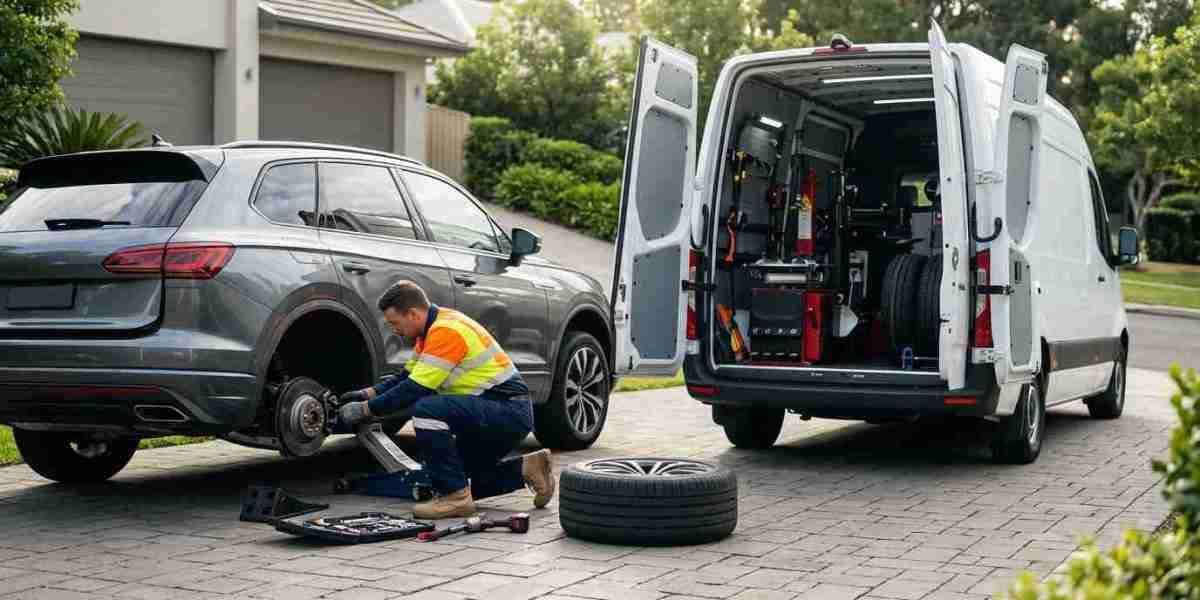
Emergency mobile tyre fitting is an on-site service that brings tyre-related assistance directly to a vehicle. Instead of arranging a trip to a traditional garage, drivers can request help at home, at work, in a car park, or at a suitable roadside location.
Mobile technicians typically carry tyre-changing equipment and may have replacement tyres available for different vehicles. The exact service depends on the provider, the vehicle's requirements, and the technician's available stock.
Some problems can be resolved through a tyre replacement, while others require a professional assessment before any work begins. If the wheel is badly damaged or the vehicle is positioned in a dangerous area, recovery assistance may be necessary.
Common Situations That Require Emergency Tyre Assistance
Sudden Punctures
A tyre can be punctured by nails, screws, glass, or other sharp objects on the road. Depending on the damage, air may escape gradually or the tyre may lose pressure quickly.
A technician can assess the puncture and determine whether a safe repair is possible. Damage location, tyre condition, and applicable repair standards influence the decision.
Damaged Tyres After Hitting a Pothole
Potholes and road debris can damage both tyres and wheels. Drivers may notice a bulge in the tyre sidewall, a cut, unusual vibration, or a sudden pressure warning.
Visible structural damage should never be ignored. A damaged tyre may need replacement, while a bent wheel could require additional inspection or repair.
Flat Tyres Without a Spare
Some vehicles do not carry a conventional spare tyre. Drivers may instead have a tyre repair kit or a temporary mobility system, which may not be suitable for every type of damage.
Mobile tyre assistance can provide another option when the vehicle cannot safely continue its journey. Before booking, explain the tyre problem and confirm that the provider can supply the required size.
Tyre Problems Outside Normal Working Hours
Tyre emergencies do not always happen during regular business hours. A late-night puncture or an early-morning flat tyre can make finding an available workshop difficult.
Some mobile providers offer evening, overnight, or round-the-clock services. Availability varies by area, so confirm operating hours, estimated arrival time, and any additional charges before agreeing to a booking.
How the Mobile Tyre Fitting Process Works
Provide Your Vehicle Details
When contacting a provider, share your vehicle make and model, tyre size, and exact location. If possible, send a clear photograph of the tyre markings and visible damage.
Explain whether the tyre is completely flat, losing air, or showing signs of structural damage. This information helps the technician prepare suitable equipment and check whether a replacement is available.
Confirm the Service and Price
Before confirming the booking, ask whether the technician can reach your location and work safely there. Request a quotation that explains the call-out fee, replacement tyre cost, fitting charges, and any additional expenses.
If the vehicle needs recovery rather than roadside fitting, the provider should explain the available options.
Inspect the Damaged Tyre
After arriving, the technician assesses the tyre and wheel. This inspection helps determine whether the tyre is suitable for repair or needs replacing.
A puncture in an appropriate repairable area may be repairable under the relevant standards. Sidewall damage, serious internal damage, and tyres driven while severely deflated often require replacement.
Fit a Suitable Replacement
If replacement is necessary, the technician should use a tyre that meets the vehicle's required size, load index, and speed rating. The wheel must be fitted correctly and the fasteners tightened according to the manufacturer's specifications.
Depending on the vehicle and service package, balancing may also be included or offered separately.
Complete the Final Checks
Before driving away, ensure that the tyre pressure has been checked and the wheel is secured correctly. Ask the technician about any remaining concerns, particularly if the vehicle struck a pothole or kerb before the tyre failed.
If damage to the wheel or other vehicle components is suspected, additional inspection may be required.
Benefits of Emergency Mobile Tyre Fitting
Assistance at a Convenient Location
One major benefit is that the service comes to the vehicle. This can save drivers from arranging transport to a workshop when a damaged tyre makes driving unsafe.
The technician may be able to work at a suitable home driveway, workplace, car park, or other accessible location.
Less Disruption to Daily Plans
A tyre emergency can interfere with work, appointments, and family commitments. On-site assistance can reduce the need to organise a separate garage visit, depending on the problem and provider availability.
The actual time required varies according to travel distance, traffic, tyre stock, and the complexity of the work.
Professional Assessment
A trained technician can inspect the tyre and identify whether repair or replacement is appropriate. This is useful when damage is not easy to assess visually.
Professional assessment can also identify problems that require attention beyond the tyre itself, such as wheel damage.
Options Outside Standard Business Hours
Providers operating extended hours can be helpful when a tyre problem occurs overnight or on a weekend. However, not every provider offers 24-hour service, and specialist tyre sizes may not be immediately available.
Confirm these details when arranging assistance rather than assuming a technician can attend immediately.
What Affects the Cost of Emergency Mobile Tyre Fitting?
The final price depends on several factors, so drivers should request a quotation based on their specific circumstances.
Tyre size and specification: Larger tyres, specialist performance tyres, and certain vehicle-specific options may cost more than standard passenger-car tyres.
Time of the call-out: Evening, overnight, weekend, and public holiday appointments may carry additional fees, depending on the provider.
Distance and location: A distant location or an area with limited service coverage may affect travel charges and arrival times.
Repair or replacement: A suitable puncture repair may cost less than fitting a new tyre. However, safety requirements determine whether a repair is appropriate.
Additional work: Wheel damage, balancing, valve replacement, or other necessary work may increase the total cost.
Ask for a breakdown of the price before approving the service. Confirm whether the quotation includes the tyre, fitting, balancing, call-out, taxes, and disposal of the old tyre.
How to Choose a Reliable Mobile Tyre Fitter
Choosing a suitable provider can make a stressful situation easier to manage. Start by checking the company's contact information, service area, operating hours, and customer feedback.
Ask whether the technician can supply the correct tyre specification for your vehicle. Providing the tyre size in advance can help reduce delays caused by unavailable stock.
A reliable provider should explain the service, provide clear pricing, and advise when a tyre cannot be repaired safely. Be cautious of vague quotations that do not explain potential additional charges.
It is also important to confirm whether the provider can work safely at your location. Some roadside areas are unsuitable for tyre fitting, particularly beside fast-moving traffic. In those situations, vehicle recovery may be the safer choice.
Safety Steps to Follow During a Tyre Emergency
When a tyre fails while driving, keep control of the vehicle and avoid sudden braking or steering. Gradually reduce speed and move to a safe stopping area if possible. Switch on the hazard lights and follow local roadside safety guidance.
Do not continue driving on a flat tyre to reach a garage. Doing so can damage the wheel and create additional safety risks.
Avoid changing a tyre beside moving traffic or on unstable ground. If you are on a motorway or another hazardous road, contact the appropriate roadside or emergency service and follow its instructions.
Share your location with the service provider and wait in a safe place. If the vehicle is obstructing traffic or the area is unsuitable for repairs, recovery assistance may be required.
Emergency Mobile Tyre Fitting vs Visiting a Garage
Both mobile fitting services and traditional garages can help with tyre problems, but each option has different advantages.
A mobile service is useful when the vehicle cannot safely be driven to a workshop and the technician can access the vehicle. It may also be convenient for drivers who need assistance at home or at work.
A garage may be more appropriate when the vehicle can be driven safely or requires specialist equipment, a wider range of replacement tyres, or additional mechanical repairs.
Neither option is suitable for every situation. The decision should depend on the damage, the vehicle's condition, the location, and the services available.
Conclusion
Emergency mobile tyre fitting provides a practical way to deal with unexpected tyre problems without first taking the vehicle to a traditional workshop. It can help drivers facing punctures, flat tyres, or damaged tyres by providing on-site assessment, repair where appropriate, or replacement. Costs and response times depend on location, tyre specifications, operating hours, and service availability. Before booking, confirm the full quotation and make sure the technician can work safely at the vehicle's location. Most importantly, avoid driving on a damaged tyre and seek professional assistance whenever its condition makes the journey unsafe.
Frequently Asked Questions
What is emergency mobile tyre fitting?
It is an on-site service in which a technician travels to a suitable location to inspect, repair, or replace a damaged vehicle tyre.
Can a mobile tyre fitter replace a flat tyre at home?
Many providers offer home appointments, subject to service coverage, tyre availability, and access to a safe working area.
Can every punctured tyre be repaired?
No. The location and severity of the puncture, the tyre's internal condition, and applicable repair standards determine whether a repair is safe.
Is emergency mobile tyre fitting available 24 hours a day?
Some providers offer round-the-clock assistance, while others operate during set hours. Confirm availability and any out-of-hours charges before booking.
How much does emergency mobile tyre fitting cost?
The price depends on the tyre, call-out distance, time of service, and whether repair, replacement, or additional work is required. Request a complete quotation before confirming.
What information should I provide when booking?
Provide your exact location, vehicle make and model, tyre size if known, a description of the damage, and information about whether the vehicle is parked safely.



