




A cash conversion cycle explained for founders starts with one useful distinction: a profitable sale can still leave a business short of cash if money goes out before it comes in. The cycle measures how long cash is tied up in inventory or work, then in unpaid customer invoices, after accounting for the time the business takes to pay suppliers.
Use the cycle to locate the cash gap, not judge the business
The cash conversion cycle estimates the time between paying for the resources behind a sale and collecting the customer’s payment. A shorter cycle generally means cash returns sooner, but the number is a diagnostic, not a scorecard. Its value comes from showing where cash waits and what operating choices shape that wait.
The usual calculation combines three periods: days inventory is held, days sales remain uncollected, and days supplier invoices remain unpaid. In plain terms, it is inventory time plus collection time minus payment time. A service business with little inventory may focus more on work in progress and customer billing; a product business may need to examine purchasing, storage, and fulfillment.
Consider a hypothetical growing company that pays for materials, spends time turning them into a finished product, ships an order, and then waits for the customer to pay. The customer’s purchase may appear as revenue before the company receives cash. Meanwhile, payroll, rent, freight, and supplier bills may be due. The cycle helps explain why a busy sales pipeline does not necessarily ease a near-term cash squeeze.
Start with the basics and separate the cycle from cash flow as a whole. The cycle follows cash tied to operating activity, while a cash forecast also considers items such as payroll timing, taxes, debt payments, equipment purchases, and financing. A business can improve one part of its cycle and still face a cash shortfall if a large expense falls due before expected receipts arrive.
For founders, the practical question is not whether the cycle is "good" in isolation. Ask which stage holds cash, whether the timing is intentional, and whether the business can fund the gap without disrupting operations. The answer can differ by product, customer terms, season, and growth pace, so compare periods and investigate changes rather than treating one figure as a verdict.
Trace the operating steps that keep cash tied up
A useful cycle begins with a transaction map, not a spreadsheet formula. Follow one typical sale from the first cash outlay through delivery and collection, then mark when the business pays each related cost. That sequence exposes delays that a monthly profit report can hide.
Write down the actual events in order: a purchase order, a supplier deposit, receipt of goods, production or service delivery, customer invoicing, and payment. Not every business has all of these steps. A software firm, for example, may have little physical inventory but still spend on labor before a customer’s invoice is issued or collected.
Then note the evidence for each date. Purchasing records can show when goods were ordered and received; time tracking or project records can show when work was performed; invoices and bank activity can show billing and collection. If those records disagree, the cycle calculation will inherit the mismatch. A clean report starts with consistent definitions and reliable source data.
For a founder, a simple transaction map might reveal that work is completed well before invoices go out because billing waits for a monthly review. Or it may show that a supplier deposit is due long before the related goods can be used. These are different problems and call for different responses. Changing collection terms will not fix a delay caused by an internal approval queue.
Keep the map specific enough to identify an owner. Finance may report the delay, but sales, operations, project management, and procurement often control the underlying steps. A short discussion with those teams can clarify whether a date reflects a real customer agreement, a process habit, or missing information. That distinction determines whether the next move is a policy change, a workflow adjustment, or better recordkeeping.
Calculate each part with consistent definitions
Calculate the cycle by measuring how long inventory is held, how long customers take to pay, and how long the business takes to pay suppliers. The familiar formula is inventory days plus receivable days minus payable days. Before comparing results, confirm that the same accounting periods, account definitions, and business units are used each time.
Inventory days estimate how long goods remain on hand before they are sold. A company may need to distinguish raw materials, unfinished production, and finished goods, because each can sit for different reasons. A broad average can conceal a bottleneck, such as finished items waiting for shipment or materials bought ahead of demand.
Receivable days estimate the delay between recording a sale and collecting payment. The billing date matters: if a team completes work but waits to invoice, the delay begins before the receivable appears in the ledger. A useful review therefore looks at both invoice timing and the age of unpaid invoices, rather than treating the accounting metric as the full story.
Payable days estimate the period between recognizing a supplier obligation and paying it. The result should reflect agreed terms and actual payment behavior. A longer period may preserve cash, but delaying a supplier beyond agreed terms can strain a critical relationship or interrupt supply. The metric does not tell you whether a payment choice is prudent without that context.
Use the calculation to prompt questions, not to manufacture precision. A fractional cfo company with uneven sales may see a period average shift because of timing or seasonal purchasing. If product mix or customer terms have changed, compare like with like where possible. Explain any change in the inputs alongside the result, so a founder or finance partner can distinguish an operating shift from a reporting artifact.
Find whether customer billing or collection is the delay
Separate the time before an invoice is sent from the time after it reaches the customer. The first is an internal process issue; the second may reflect contract terms, invoice accuracy, customer approval steps, or payment behavior. Both can keep cash out of reach, but they require different owners and remedies.
Review a sample of recent invoices and trace each one to the work or shipment that earned it. Note when the work was complete, when the invoice was approved, when it was sent, and when payment arrived. If the company has milestone billing, check whether the milestones are clear to the customer and supported by the underlying agreement.
Errors can add avoidable waiting. A purchase-order number may be missing, a billing contact may have changed, or the invoice may not explain what was delivered. A consistent pre-send check can catch these issues. The check should be proportionate: a small team may need a clear owner and a repeatable checklist, not a complicated approval chain that delays every invoice.
Then look at collection follow-up. A respectful reminder before or around the due date can clarify whether the invoice was received and whether anything is blocking payment. If a customer disputes a charge, record the reason and route it to someone who can resolve it. Repeated disputes over the same issue may point to unclear scopes, handoffs, or contract language rather than weak follow-up.
Changes to terms also have trade-offs. Shorter payment terms may improve timing on paper, but they do not guarantee faster collection and may affect a sale or customer relationship. Deposits or milestone payments can reduce the amount funded by the business, when they fit the work and the agreement. Consider customer expectations, bargaining position, and delivery costs before changing the policy.
Check inventory and work in progress before cutting purchases
Inventory ties up cash until the business sells the goods and collects payment. The aim is not to minimize stock blindly; it is to keep the right amount available for expected demand without paying early for items that will sit unused. A shortage can delay fulfillment and revenue, while excess stock can consume funds needed for payroll or other commitments.
Break inventory into categories that support a decision. Raw materials may be waiting for production, work in progress may be blocked by a missing component or labor capacity, and finished goods may be waiting for an order or shipment. Each category suggests a different question. For example, a purchasing adjustment will not clear finished goods that are held up by quality review or shipping arrangements.
Compare purchasing plans with sales expectations and lead times, but make assumptions visible. A forecast is a planning tool, not a promise. If demand changes, supplier timing shifts, or a product is being phased out, revisit the assumptions. Avoid presenting a sales projection as certainty when it is not supported by orders or a clear operating basis.
Service businesses can apply the same logic to unbilled work. Hours already spent, materials already used, or milestones completed may represent cash outlays before the related invoice is sent. Track work in progress in a way that lets managers see what is complete, what remains, and what must happen before billing. If the project scope changes, make sure the records capture the change and its billing implications.
Do not treat every slow-moving item as waste. Some stock protects against supplier uncertainty or supports a known seasonal need. Before reducing purchases, consider the cost of a stockout, the time to replenish, storage costs, and whether the item can be returned or repurposed. The right balance depends on the business’s products and supply conditions, so review the cause of a buildup before changing reorder rules.
Manage supplier timing without creating a new operating risk
Supplier payment timing can offset some of the time cash remains tied up, but it should reflect agreed terms and the Fractional Cfo Company’s ability to pay. Paying unusually early may use cash that could remain available for operations; paying late without agreement can damage trust or make a critical input harder to obtain.
Start by matching supplier invoices to purchase records, receipt of goods, and the agreed payment terms. Differences can reveal duplicate bills, a missing receipt, or an invoice routed to the wrong person. Fixing the records helps avoid both premature payment and accidental delay. It also gives the founder a more dependable view of obligations coming due.
Next, identify which suppliers are operationally important and where timing is flexible. A small supplier that provides a hard-to-replace component may warrant different treatment from a vendor with several alternatives. Discuss terms before changing payment behavior. A negotiated schedule is more predictable than quietly stretching invoices and hoping the supplier does not object.
Make payment timing visible in the cash forecast. An invoice can be valid even if the cash has not left the bank yet, so cash planning should reflect when payment is due, not only when it clears. Likewise, expected customer receipts should be based on realistic collection timing. These distinctions help prevent a forecast from overstating available funds.
Growth can make this balance harder to manage. Larger orders may require supplier deposits or earlier purchases, while customer collections still arrive on the old schedule. A founder should ask whether the business can finance that working-capital gap through existing cash, an agreed credit facility, revised customer terms, or another suitable option. Financing carries costs and obligations, so compare it with the operating change it would fund.
Turn the cycle into a forward-looking cash plan
Use the cycle to identify what to monitor, then build a cash forecast that shows when money is expected to move. The cycle describes operating timing; the forecast translates that timing into expected cash balances and upcoming commitments. Neither should be treated as certain. Their usefulness depends on updating assumptions when sales, delivery schedules, or payment patterns change.
A practical sequence is to:
- Choose the operating period and business activity you want to understand.
- Check the dates and definitions behind inventory, invoices, collections, and supplier payments.
- Identify the stage where cash waits longest and name the team that controls it.
- Test a realistic change, such as earlier billing or a revised purchasing schedule.
- Show how the change affects expected receipts, payments, and the cash forecast.
- Review actual results against the assumptions and update the plan when conditions shift.
For example, a hypothetical founder might learn that customer invoices are sent only after a manager approves completed work. The forecast can compare the current process with a scenario in which approvals happen sooner, while keeping customer payment behavior unchanged. That does not promise a particular cash result; it makes the operational assumption visible and gives the team a way to check whether the change helps.
Keep a short explanation beside the forecast for major assumptions. If expected receipts depend on a customer accepting a delivery, say so. If a supplier payment can move only with agreement, do not present it as freely adjustable. Clear assumptions help a founder discuss needs with a lender, investor, or finance adviser without confusing a plan with a guarantee.
Reliable reporting depends on more than a spreadsheet. Accounting records need consistent categories and timely reconciliation, while operational teams need to provide accurate status information. Bookkeeping records transactions; accounting organizes and reports them; strategic finance uses those records to support planning and decisions. One person or team may cover more than one function, but the responsibilities should remain clear.
Match the review to the company’s stage and team
The right level of cycle analysis depends on what the business needs to decide. An early company may need a basic view of upcoming cash commitments and the timing of customer receipts. A company adding products, staff, or locations may need more detailed inventory, project, and customer reporting to understand why cash needs are changing.
When a company prepares to raise capital or negotiate a loan, consistent records matter because outside parties may ask how revenue converts into cash and what funds support ongoing operations. The founder should be able to explain the inputs, notable changes, and limits of the forecast. Investor reporting should not imply that a projected cycle or cash balance is assured.
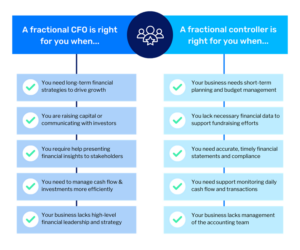
Financial leadership is distinct from bookkeeping and routine accounting. Bookkeeping captures transactions; accounting maintains records and produces reports; a strategic finance lead interprets the information, builds forecasts, tests options, and helps management decide what to do. These functions work best when they share definitions and a reliable close process. A finance leader cannot make a weak source record trustworthy merely by presenting it clearly.
As the business prepares for a potential sale or another transaction, the sequence often starts with organizing records and explaining operating performance, then moves through due diligence, negotiation, and closing. Cycle data may help explain working-capital needs, but it is only one part of preparation. The relevant definitions and adjustments depend on the transaction and the parties’ agreements; do not assume that a particular treatment will apply.
Remote finance support can work when responsibilities, access, and handoffs are explicit. The business still needs someone to provide source documents, confirm operational facts, and resolve questions with customers or suppliers. A remote adviser may help with reporting, planning, or transaction preparation, while an existing accounting team handles day-to-day records. Agree on who owns each step and how files and decisions remain accessible if a team member changes roles.
Verify the assumptions before acting on a cash gap
Before changing terms, purchases, or payment dates, verify that the reported delay reflects actual operations. A short review is more useful when it tests the quality of the inputs and identifies who can make the change, rather than reacting to a single headline number.
- Confirm that inventory, work, invoices, and supplier payments use consistent dates and definitions.
- Separate internal billing delays from customer collection delays.
- Check whether inventory is needed for demand, blocked in operations, or simply no longer useful.
- Compare supplier timing with the agreed terms and the importance of the relationship.
- Update the forecast with realistic assumptions and show what remains uncertain.
If the data is incomplete, make that a finding rather than hiding it behind a precise-looking calculation. Assign an owner to repair the records, decide how often the information should be reviewed, and use the current forecast cautiously until the gaps are resolved. A cycle estimate based on inconsistent invoices or stale inventory records can point management toward the wrong fix.
Then choose one change that addresses the identified cause and check its effect on both cash and operations. Earlier billing may help when approvals are slow; it will not solve excess stock caused by unreliable demand planning. A longer supplier term may ease timing but create a different risk. The useful decision is the one that fits the business’s actual bottleneck and leaves the assumptions open to review.


